
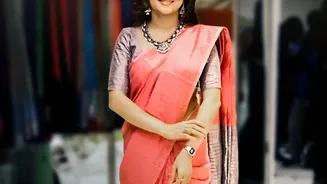
The New Wardrobe Philosophy: Comfort and Versatility First
The era of saving clothes for a special occasion is fading. Today, the driving force behind our fashion choices is practicality. Spurred by the widespread adoption of hybrid work models, consumers are prioritising clothing that can seamlessly transition
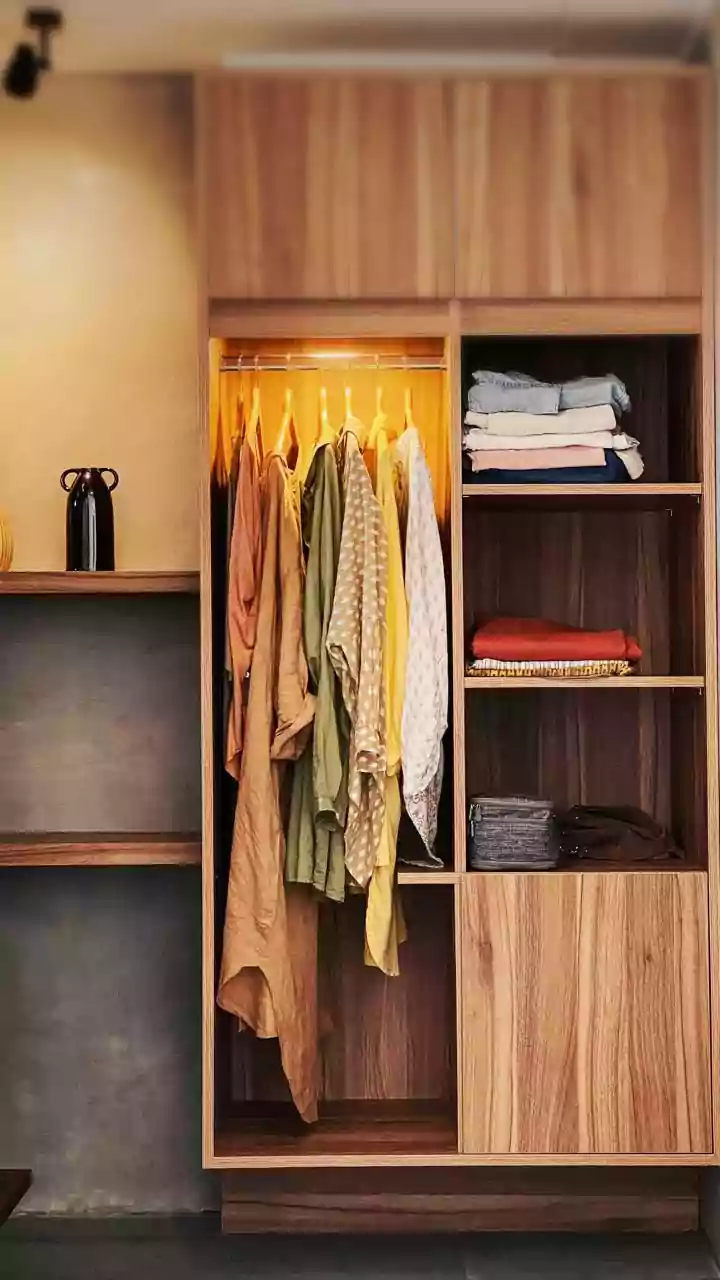
between different parts of life. Garments are now expected to be comfortable enough for working from home, polished enough for an office check-in, and stylish enough for an evening out. This move towards casualisation means that qualities like breathability, four-way stretch, and soft-touch fabrics are no longer considered premium features but standard expectations. As a result, shoppers are consciously moving away from restrictive clothing and investing in pieces that support, rather than dictate, their dynamic daily routines. This isn’t the end of style; it’s the beginning of a more thoughtful and adaptable approach to personal expression.
From Fast Trends to 'Quiet Luxury'
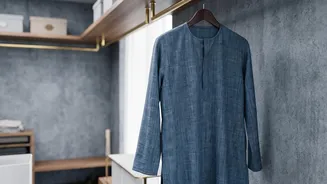
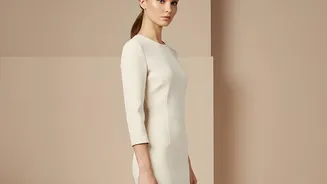
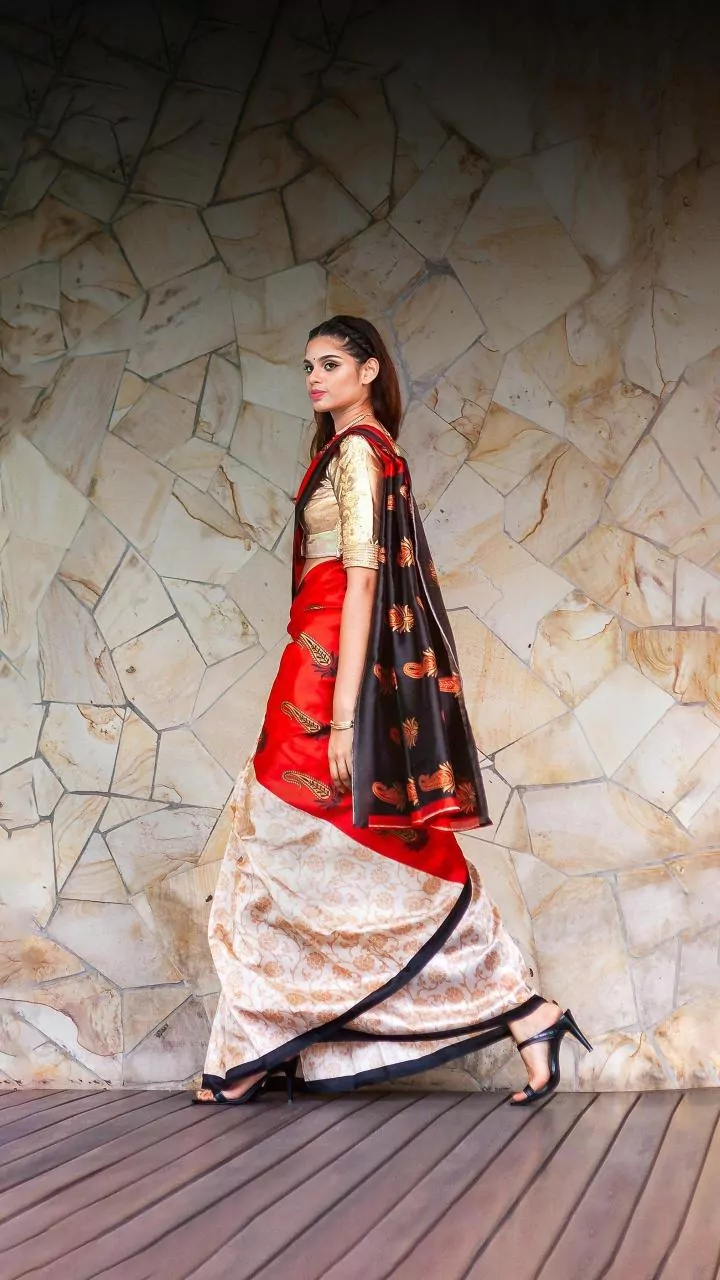
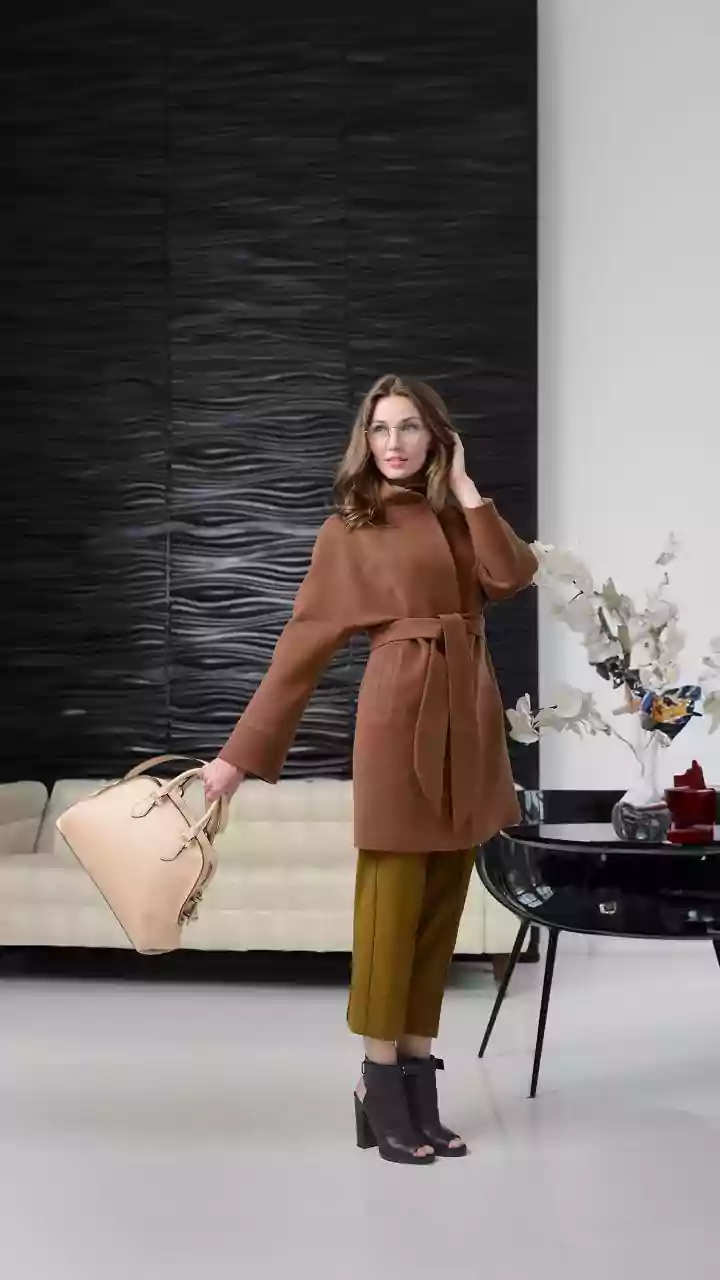
The focus on everyday utility is influencing not just the function of our clothes, but their aesthetic too. There is a growing fatigue with fast-moving micro-trends and logo-heavy designs. Instead, many are embracing 'quiet luxury'—a style built on timelessness, quality craftsmanship, and subtle elegance rather than loud branding. In India, this global trend resonates deeply with a rich heritage of textiles and craft. Consumers are showing a renewed appreciation for handwoven fabrics like Chanderi, intricate work like Chikankari, and the sensory richness of handloom cotton. This approach prioritises the longevity and narrative of a garment, valuing the artisan's skill over a fleeting trend. The shift is visible on celebrities and in the collections of homegrown labels, which are focusing on muted palettes, fine tailoring, and versatile silhouettes that whisper quality instead of shouting wealth.
Smarter Shopping and the Rise of Personal Style
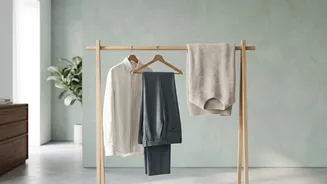
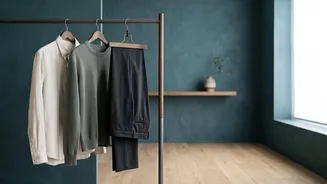
This new mindset is fundamentally changing how people shop. Instead of chasing fleeting trends, consumers are becoming more intentional, looking to build curated wardrobes with pieces that offer long-term value. The goal is no longer constant consumption but creating a collection of fewer, better items that are versatile and align with a personal sense of style. This deliberate approach means shoppers are evaluating purchases based on durability, adaptability, and cost-per-wear. As a result, personal style is taking precedence over trend loyalty. People are more focused on finding clothes that feel authentic and confident, mixing and matching pieces to reflect their own identity rather than adhering to a single aesthetic dictated by the fashion industry.
How Brands Are Adapting to the New Consumer
The fashion industry is taking notice of this significant behavioural shift. The Indian direct-to-consumer (D2C) market, for instance, is booming as brands bypass traditional retail to build direct relationships with customers who value transparency and authenticity. Many of these brands are gaining popularity by focusing on specific niches, from sustainable materials to plus-size apparel that guarantees a comfortable fit. Simultaneously, the move towards everyday dressing is tied to a growing interest in sustainability. A significant number of Indian consumers now consider sustainability in their fashion purchases, creating a demand for brands that are transparent about their production processes. This has led to an emphasis on seasonless design and durable materials, aligning with the consumer desire to buy less but buy better.