




The Reign of Two Kings
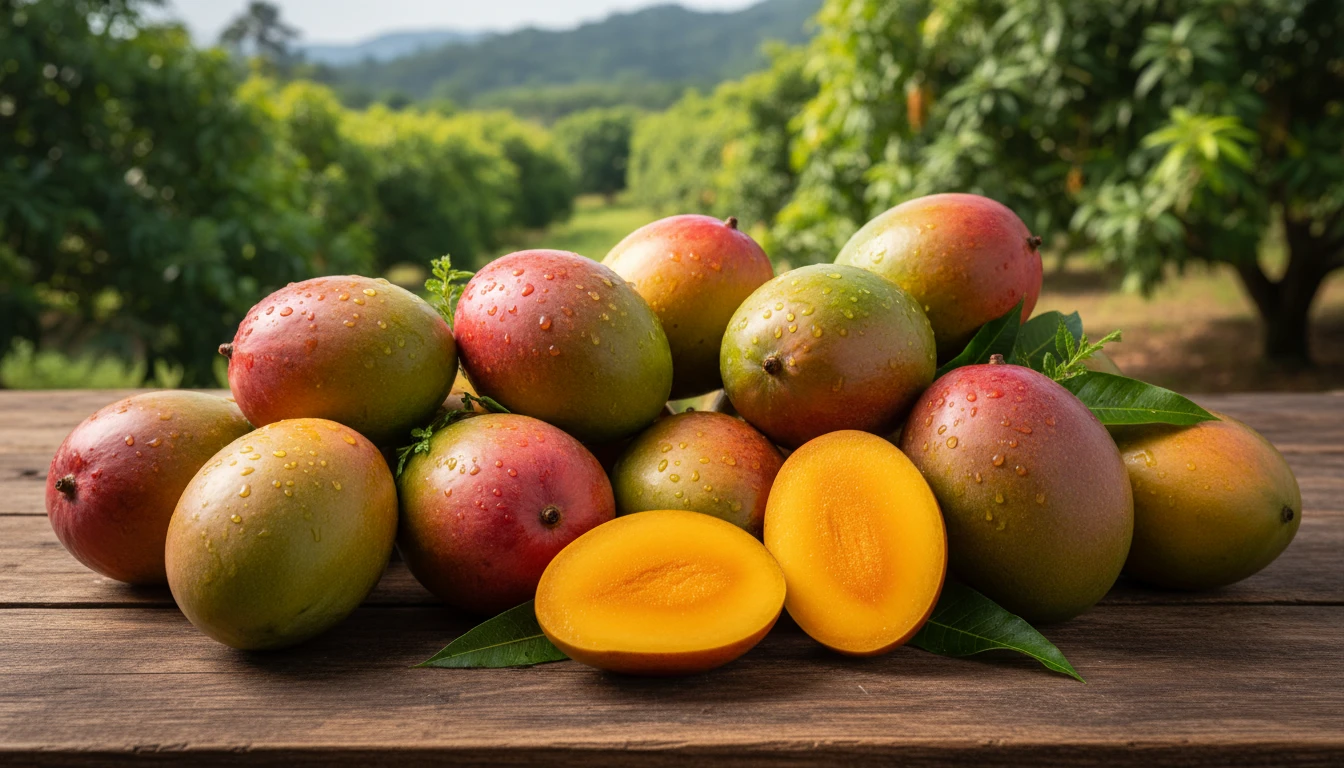
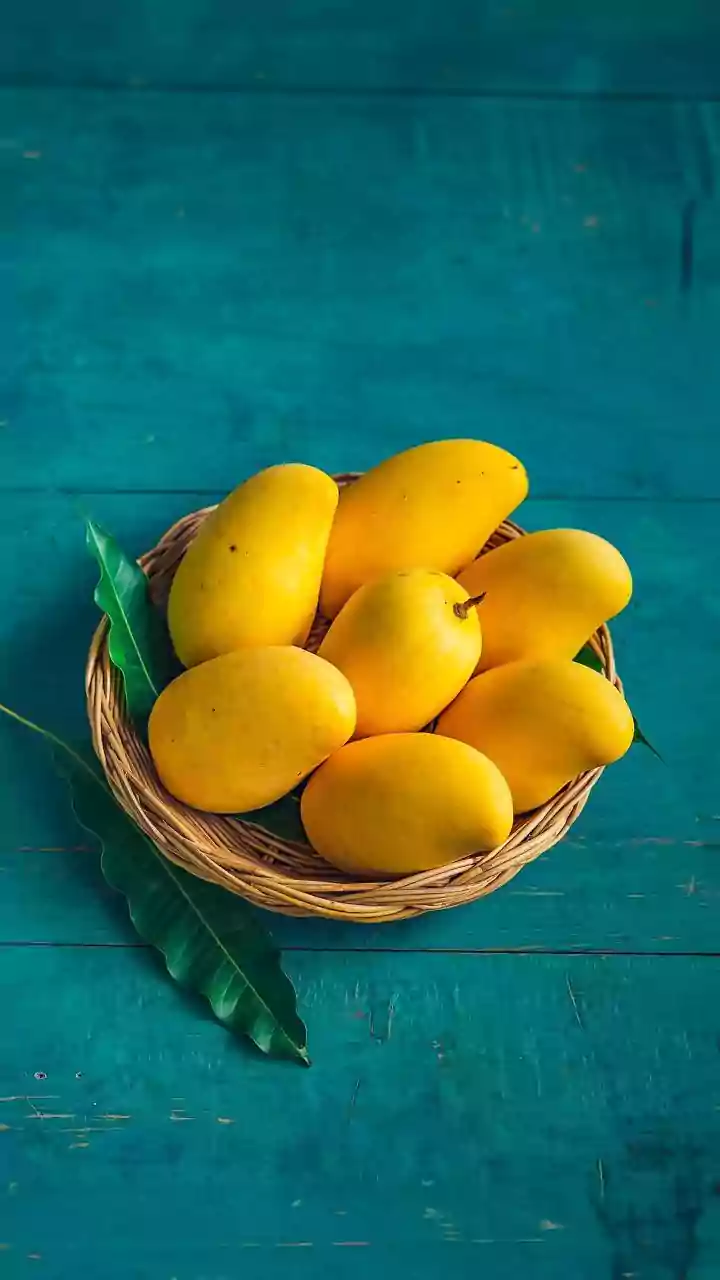
For decades, the Alphonso, or Hapus, from Maharashtra's Konkan coast and the Langra from Uttar Pradesh have dominated the mango narrative. Their unparalleled taste, texture, and successful marketing have crowned them the undisputed kings of the fruit
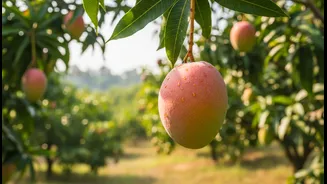
world. This commercial success has led to them being the most exported and widely recognised varieties, setting a gold standard for mango lovers. While their fame is well-deserved, this focus has inadvertently created a duopoly in our collective imagination, overshadowing the staggering diversity of over 1,500 mango varieties that flourish across India. The story of the Indian mango, as told in mainstream markets, has become a tale of two titans, leaving a rich library of other flavours and histories largely unread by the wider public.
A Festival for the Unsung Heroes
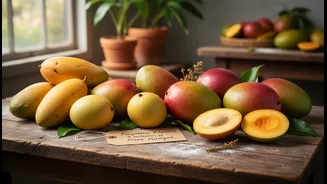
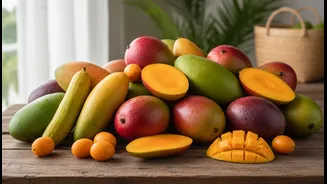
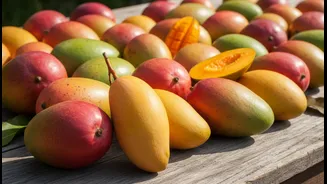
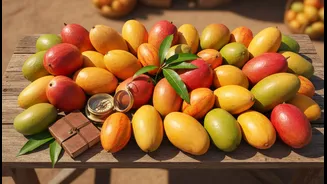
Across the country, a different story is unfolding at a local level. Small-scale mango festivals are emerging as vibrant platforms for celebrating regional champions. In Kannapuram, Kerala, a village declared an Indigenous Mango Heritage Area, a local collective hosts an annual festival to protect and propagate native varieties. In Ankola, Karnataka, growers celebrate the Kari Ishad, a variety so unique for its aroma and taste that it earned a Geographical Indication (GI) tag in 2023. These events, from the International Mango Festival in Delhi showcasing over 500 varieties to hyper-local melas, do more than just sell fruit. They are acts of cultural preservation, offering a stage to mangoes like the sweet and tangy Gulab Khaas of Bihar, the firm and luscious Malgova of Tamil Nadu, or the fibreless Himsagar of West Bengal.
More Than Just Fruit
These festivals are powerful catalysts for change. By connecting farmers directly with consumers, they create new market opportunities and improve local economies. When a variety like the Kari Ishad gets a GI tag, it not only protects the name but also gives farmers a unique selling proposition and potentially higher returns. The festivals become educational hubs, where consumers learn to appreciate flavours beyond the familiar sweet-and-smooth profile, discovering the citrusy notes of an Imam Pasand or the unique shape of a Totapuri. This direct engagement fosters a more informed consumer base, one that understands that agriculture is about more than just yield; it's about heritage, biodiversity, and community. In essence, these gatherings are transforming the transactional relationship between farmer and consumer into a shared cultural experience.
Rewriting the Agricultural Narrative
The true power of these mango festivals lies in their ability to reshape agricultural storytelling. For too long, the narrative has been dominated by a few commercial heroes, leading to monoculture and a loss of biodiversity. Celebrating a wider range of mangoes is an act of resistance against this trend. It tells a story of resilience, where hundreds of heirloom varieties, each adapted to its specific local climate, are preserved. This narrative shift is crucial. It moves the focus from a handful of high-yield, commercially viable crops to a more holistic view of agriculture that values genetic diversity, sustainability, and the preservation of indigenous knowledge. By showcasing these lesser-known fruits, farmers and communities are not just selling produce; they are sharing a richer, more complex story about India's ecological and cultural wealth.
A Blueprint for the Future
The mango festival model offers a compelling blueprint for the future of Indian agriculture. Imagine similar celebrations for indigenous rice varieties from West Bengal, millets from Karnataka, or the unique vegetables of the Himalayan highlands. These events can serve as crucial platforms for promoting food sovereignty and regenerative agriculture. In an era where climate change threatens conventional farming, championing local, resilient crops becomes a matter of food security. The story of the humble mango festival is, therefore, much larger than the fruit itself. It is a story about how communities can reclaim their agricultural identity, build sustainable local economies, and create a more inclusive and diverse food future for all of India. The next chapter of India's agricultural story is being written, not in boardrooms, but in the vibrant, fragrant chaos of a village mango mela.