






The Ultimate Dining Challenge
Eating in space is not as simple as packing a lunchbox. The microgravity environment means that crumbs can float into and damage sensitive equipment, and liquids can become dangerous, free-floating blobs. Food must be lightweight, compact, highly nutritious,
and have a long shelf life without refrigeration. More importantly, it must combat the physiological toll of spaceflight, which includes potential bone density loss, muscle atrophy, and altered taste perception. For astronauts on long-duration missions, a familiar and palatable meal is also a significant psychological comfort, a crucial link to home in an isolated, extreme environment.
Hyderabad's Cosmic Culinary Hub
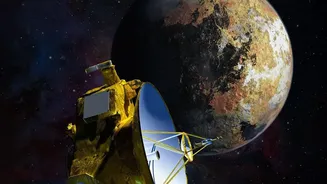
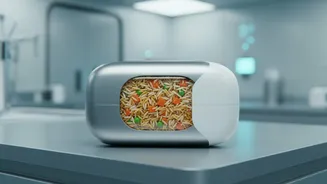
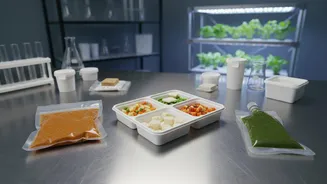
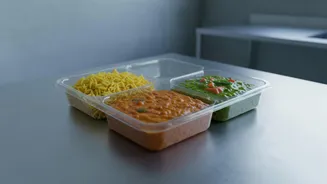
At the heart of this initiative is Hyderabad's ICMR-National Institute of Nutrition (NIN), which is collaborating with the Indian Space Research Organisation (ISRO). Scientists at NIN are meticulously crafting food formulations for India's Gaganyaan mission, which aims to send astronauts into a low Earth orbit. This effort complements the foundational work done by the Mysore-based Defence Food Research Laboratory (DFRL), which has developed a wide range of ready-to-eat meals for the armed forces and has adapted them for space travel. Ananth Technologies, a Hyderabad-based firm, is also contributing by designing a smart 'tiffin box' with sensors to carry the meals. Together, these institutions are ensuring that India's astronauts are well-fed and healthy.
What’s on the Zero-Gravity Menu?
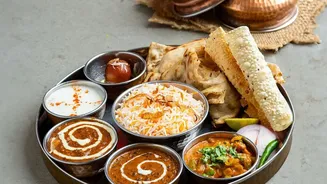
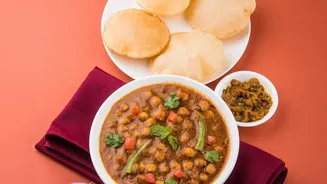
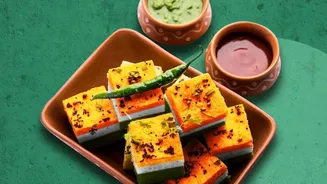
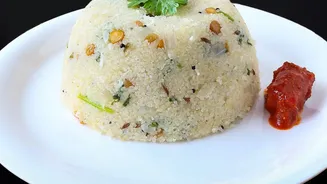
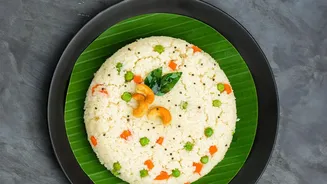
The menu for Indian astronauts is designed to be both nourishing and nostalgic. It includes a variety of familiar dishes from across the country. For breakfast, astronauts might have idli-sambar, poha, or upma. Lunch could feature chicken biryani, vegetable pulao, or the comfort of dal and khichdi. Other options being developed and tested include mutton rolls, chicken nuggets, egg rolls, and potato-stuffed parathas. For dessert, moong dal halwa or sooji halwa could provide a sweet taste of home. The meals are designed to be mildly spiced, with spice sachets available for those who prefer an extra kick.
The Science of Space-Ready Food
Transforming these dishes for space requires significant scientific processing. The primary technique is freeze-drying, which removes water content, making the food lightweight and preserving it for long durations. Meals are prepared in semi-solid, dehydrated, or ready-to-eat forms that can be easily reconstituted by adding water in specially designed packets. This process has to be perfect; otherwise, dishes can fail the rigorous qualification process. For instance, while items like moong dal halwa have passed tests, other complex dishes like khichdi have struggled to meet the strict standards for safety, stability, and crumb control required by space agencies. The nutritional profile is also critical; meals are fortified with Vitamin D and antioxidants, while sodium levels are carefully controlled to support astronaut health in microgravity.
More Than Just a Meal
Providing Indian food for Indian astronauts is a powerful statement. It's about more than just nutrition; it is a matter of national pride and cultural identity. For the crew, spending days in a confined capsule 400 kilometres above Earth, a familiar meal of biryani or khichdi can provide immense psychological support and a connection to their roots. As scientists in Hyderabad and Mysuru perfect these space-ready meals, they are not just feeding astronauts; they are ensuring that a piece of Indian culture travels with them to the stars. This initiative showcases India's growing capability to merge its rich culinary heritage with cutting-edge food and space technology, marking a new chapter in the nation's journey of exploration.