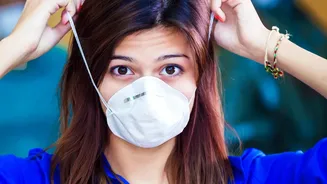






When the skyline disappears into a grey-brown haze, our first instinct is to rush indoors and slam the windows shut. It feels like the safest thing to do. But while it offers some protection, it is far from a perfect solution.
The Partial Shield
Closing windows is a crucial
first step during severe smog. It significantly reduces the amount of outdoor pollutants entering your home. However, homes are rarely airtight. Microscopic PM2.5 particles, which are smaller than 2.5 micrometres and pose the greatest health risks, can easily infiltrate through gaps around windows, doors, and other structural cracks. Studies have shown that even with everything shut, indoor PM2.5 levels can still be 50-70% of the outdoor concentration, depending on the building's construction. This means if the outdoor Air Quality Index (AQI) is a hazardous 400, your indoor air could still be at a very unhealthy 200-280.
The Invisible Problem Building Up Inside
While you are partially blocking outdoor pollutants, you are also trapping a host of indoor pollutants. The most immediate is carbon dioxide (CO2). We exhale CO2 with every breath, and in a poorly ventilated room, its concentration can rise quickly. Outdoor air typically has about 400 parts per million (ppm) of CO2, but levels in a sealed bedroom can easily exceed 1,000 ppm overnight. High CO2 levels can cause headaches, fatigue, dizziness, and difficulty concentrating. Research has linked elevated CO2 to poorer sleep quality and reduced cognitive function. Beyond CO2, other pollutants from cooking, cleaning products (VOCs), and even furniture can accumulate, turning your sealed home into a container of stale, unhealthy air.
Creating a Smart Air Strategy
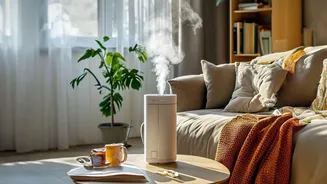
Relying on closed windows alone is not enough. A multi-layered approach is essential for true indoor air protection. The first step is to monitor both outdoor and indoor air quality. When outdoor pollution levels temporarily dip, seize the opportunity to 'flush' your home with fresh air by opening windows for 15-30 minutes. However, keeping windows closed remains the best advice during peak pollution. An effective strategy is to invest in a good quality air purifier with a HEPA (High-Efficiency Particulate Air) filter. These devices are designed to capture tiny PM2.5 particles, with some studies showing they can reduce indoor levels by over 60% in a few hours. Make sure the purifier's Clean Air Delivery Rate (CADR) is appropriate for your room size.
Beyond Purifiers: Simple, Effective Habits
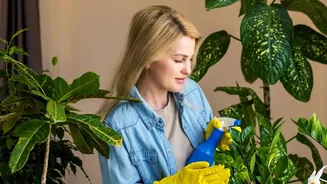
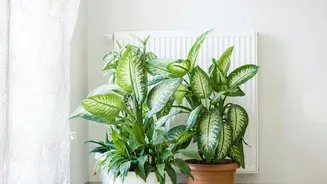
Several low_cost habits can supplement your air protection efforts. Regular wet mopping of floors and damp dusting of surfaces helps remove settled particulate matter that can get re_suspended in the air. Using exhaust fans in kitchens and bathrooms can help vent out indoor_generated pollutants at their source. It is also wise to minimise activities that create indoor pollution on high_smog days, such as frying food, burning incense, or using strong chemical cleaners. Even houseplants can play a small role in improving indoor air quality. While standard air conditioners that just recirculate air don't filter out PM2.5, some newer models come with HEPA filters or PM2.5 filtration systems.