




Understanding Late-Monsoon Rafting
The main rafting season in Rishikesh is suspended from July to mid-September due to the monsoon, when the Ganga's water levels are dangerously dangerously high. Operations typically resume in late September after a formal safety inspection of the river's
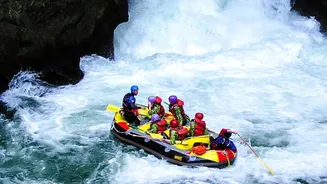
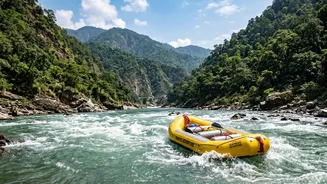
flow and rapids by a joint team from the tourism and forest departments. Rafting in late September and October offers a unique experience; the river is fuller and faster than in the peak summer season, making the rapids more thrilling. However, this also means that the currents are more powerful and potentially less predictable. Water levels can change quickly after rainfall in the mountains, so it is crucial to stay informed.
Choosing a Reputable Operator
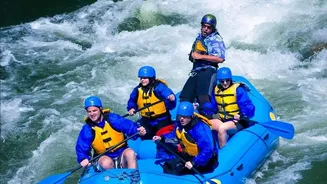
Your safety on the river depends almost entirely on your rafting operator. For a first-timer, this is the most critical decision. Avoid operators offering unusually cheap packages, as they might cut corners on safety. A reliable company will be registered with the Uttarakhand Tourism Department and employ certified guides with experience in rescue and first aid. Ask about their safety record and what equipment they provide. Every trip must include certified life jackets, helmets, and often a safety kayaker who accompanies the raft. Reputable companies like White World Expeditions and Red Chilli Adventure have years of experience and positive reviews.
Selecting the Right Rafting Stretch
Rishikesh offers several rafting stretches with varying difficulty levels, measured in grades. For a first-timer, especially during the strong post-monsoon flow, starting with an easier stretch is wise. The Brahmpuri to Rishikesh (9 km) route features gentle Grade I-II rapids and is ideal for families and beginners. The most popular stretch is from Shivpuri (16 km), which offers a moderate adventure with exciting Grade III rapids like Roller Coaster and Golf Course. Longer, more challenging stretches from Marine Drive (26 km) or Kaudiyala (35 km) are best left for experienced rafters.
Budgeting Your Adventure Smartly
A Rishikesh rafting trip can be very budget-friendly. The cost primarily depends on the length of the rafting stretch. As of late 2026, prices generally start around ₹600-₹800 per person for the beginner-friendly 9 km Brahmpuri stretch. The popular 16 km Shivpuri stretch typically costs about ₹1,000 per person. Longer routes from Marine Drive can be ₹1,500 or more. These prices usually include transportation to the starting point, all safety equipment, and the guide's fee. To save money, travel in a group to potentially get discounts and book directly with a trusted operator rather than third-party agents who may add a commission.
Essential Safety Briefings and On-Water Rules
Before you even get into the raft, your guide will provide a comprehensive safety briefing. Pay close attention. You will learn how to hold your paddle, basic commands for paddling, and what to do if you fall into the water. Always wear your life jacket and helmet correctly. Do not consume alcohol before your trip. While on the river, listen to every command from your guide; they are trained to read the currents and navigate the rapids safely. If you do fall in, stay calm, float on your back with your feet pointing downstream, and wait for instructions from your guide or the safety kayaker.
What to Wear and Pack
Dressing appropriately is key for both comfort and safety. Avoid cotton clothing, as it absorbs water and will make you cold. Instead, opt for quick-drying synthetic materials like a T-shirt and shorts or swimwear. For footwear, wear secure water shoes or sports sandals with straps; flip-flops will get lost in the rapids. Since it's late monsoon, the weather can be a mix of warm sun and cool evenings, so packing a lightweight rain jacket and a fleece is a good idea. Don't forget waterproof sunscreen, sunglasses with a strap, and a waterproof bag for any personal items.