

The Rise of the Algorithmic Stylist
For years, the dream of a digital wardrobe, like the one Cher Horowitz had in 'Clueless', felt like pure fiction. Today, it’s a reality. AI-powered styling tools are embedded in our favourite e-commerce sites and have become standalone apps, promising
to solve the daily “what to wear” dilemma. These systems analyze vast amounts of data—our clicks, past purchases, and even social media activity—to predict trends and offer personalised recommendations. The goal is to make shopping more convenient and efficient, using data to suggest outfits tailored to our supposed preferences. In theory, it’s a perfect system: an always-on, data-driven stylist that remembers everything you like and dislike, available 24/7. This technology can process thousands of products in seconds, a feat impossible for a human, making discovery faster and more scalable.
Cracks in the Digital Wardrobe
Despite their power, algorithms have significant limitations. Their reliance on past data means they are good at predicting what's popular, but not necessarily what's right for you. This can lead to an echo chamber, where you are only shown more of what you already own, stifling true style evolution. Algorithms lack the originality and intuition of a human stylist; they follow trends rather than setting them. More importantly, AI cannot grasp the emotional and psychological nuances of dressing. It doesn't know you have a big presentation and need a confidence boost, that you're navigating body changes, or that your lifestyle requires comfort over runway trends. The result is often a 'copy-and-paste' formula that can make everyone look similar, undermining the very idea of personal style as a form of self-expression.
The Irreplaceable Human Touch
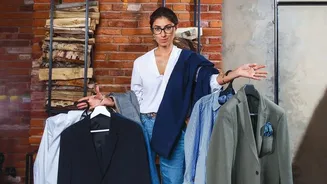
This is precisely where the human personal stylist finds renewed relevance. A stylist does more than just pick clothes; they build a relationship. They offer empathy, interpret non-verbal cues, and understand the deep connection between confidence and clothing. A stylist can help you rediscover the pieces you already own, provide holistic wardrobe management, and guide you through life's changes—services that extend far beyond a simple outfit suggestion. They see your uniqueness not as a data point to be categorized, but as a quality to be celebrated. This human connection, built on trust and real conversation, is something technology can only mimic, not replicate. While AI provides information, a human expert provides wisdom, context, and emotional intelligence.
A Hybrid Future for Fashion
The debate isn't necessarily about AI versus humans, but how they can best work together. The most effective approach appears to be a hybrid model. In this future, AI handles the heavy lifting—sifting through vast online catalogues and providing data-driven suggestions. The human stylist then steps in to curate, refine, and personalise these options. They add the crucial layer of emotional intelligence and creative vision that algorithms lack. For consumers, this means getting the best of both worlds: the efficiency and scale of technology, combined with the bespoke, empathetic guidance of a human expert. This collaboration allows stylists to serve their clients better and helps individuals build more intentional, sustainable wardrobes.