


Mawsynram, Meghalaya: The Reigning Champion
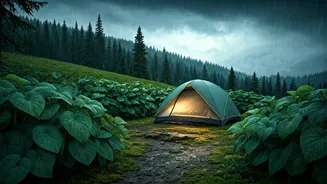
Holding the Guinness World Record for the highest average annual rainfall, Mawsynram is the undisputed king of wet. Located in the Khasi Hills of Meghalaya, this small village receives nearly 12,000 mm of rain per year. But far from being a washout, this constant
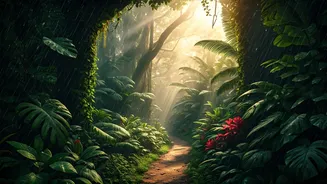
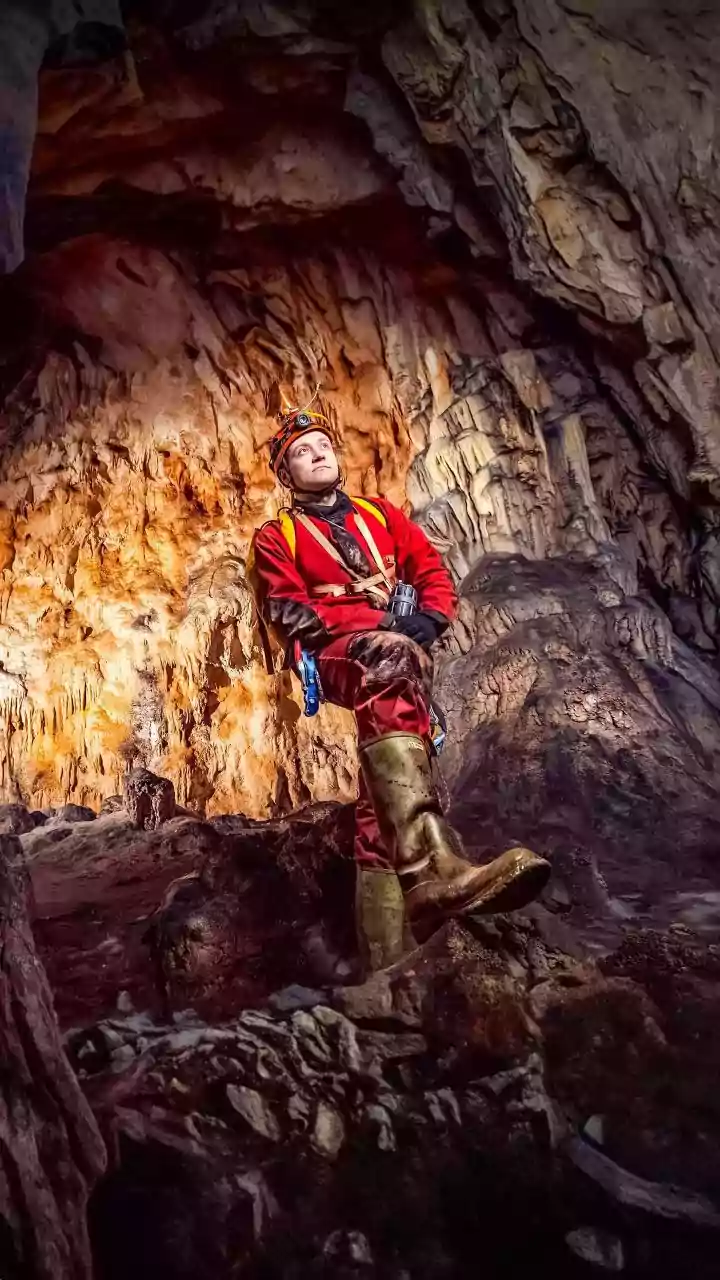
downpour gives life to a landscape of breathtaking vibrancy. The rain feeds a labyrinth of underground caves, including Mawjymbuin, where a massive stalagmite has formed a natural Shivalinga that draws pilgrims. The ultimate immersive experience here is trekking to the region’s famed living root bridges. For centuries, the Khasi people have guided the roots of rubber fig trees across rivers, creating natural, growing bridges that strengthen over time. Walking across these moss-covered structures, with the sound of a roaring river below and a gentle mist in the air, is an unforgettable encounter with human ingenuity and nature’s power.
Cherrapunji (Sohra), Meghalaya: The Land of Waterfalls
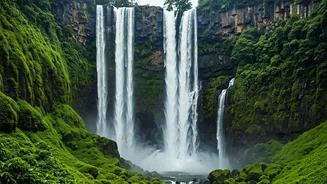
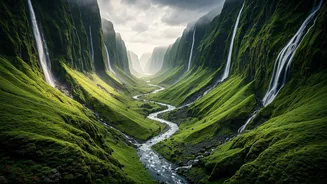
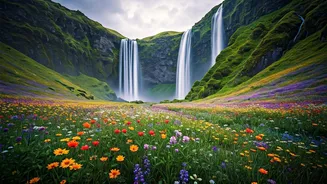
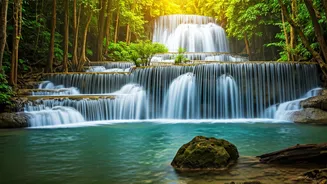
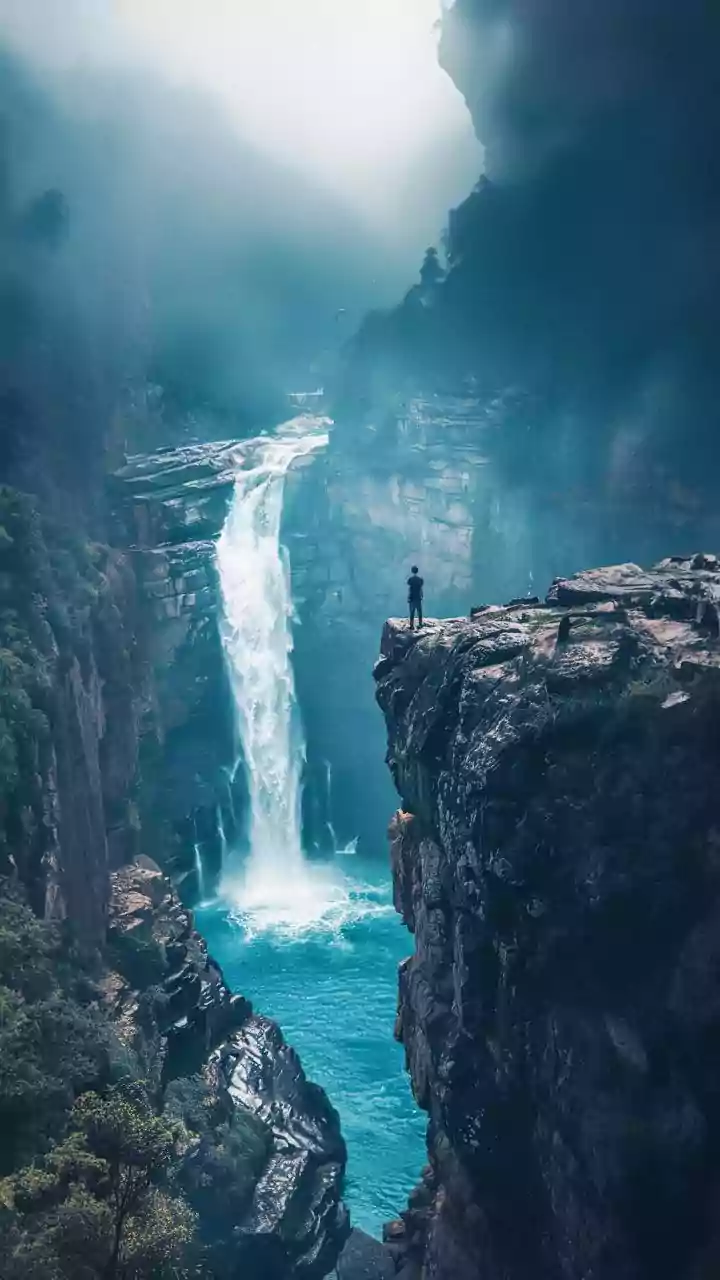
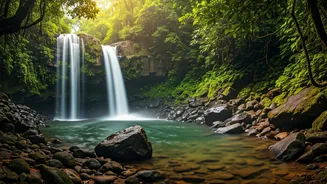
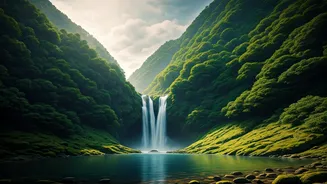
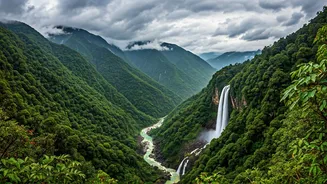
Just a short drive from Mawsynram lies its historical rival for the 'wettest place' title. Now officially known as Sohra, Cherrapunji offers a different, but equally dramatic, version of a rain-soaked paradise. While Mawsynram is about relentless drizzle, Cherrapunji is famed for its theatrical monsoons that unleash powerful torrents of water, creating some of India’s most spectacular waterfalls. The Nohkalikai Falls, plunging over 1,100 feet from a verdant cliff, is a sight to behold, especially when the clouds part to reveal its full glory. The Seven Sisters Falls (Nohsngithiang Falls) are another must-see, cascading down limestone cliffs in a stunning display. For adventurers, Cherrapunji is a gateway to challenging treks. The double-decker living root bridge in Nongriat village, reachable via a steep but rewarding hike of over 3,000 steps, is a primary draw. The journey takes you through dense forests, across smaller root bridges, and past natural pools perfect for a refreshing dip.
Agumbe, Karnataka: The Cherrapunji of the South
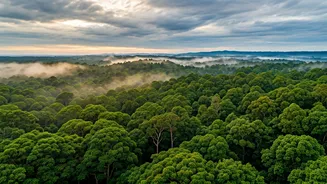
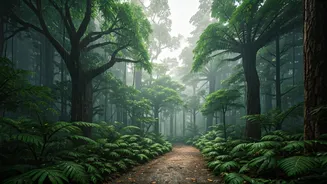
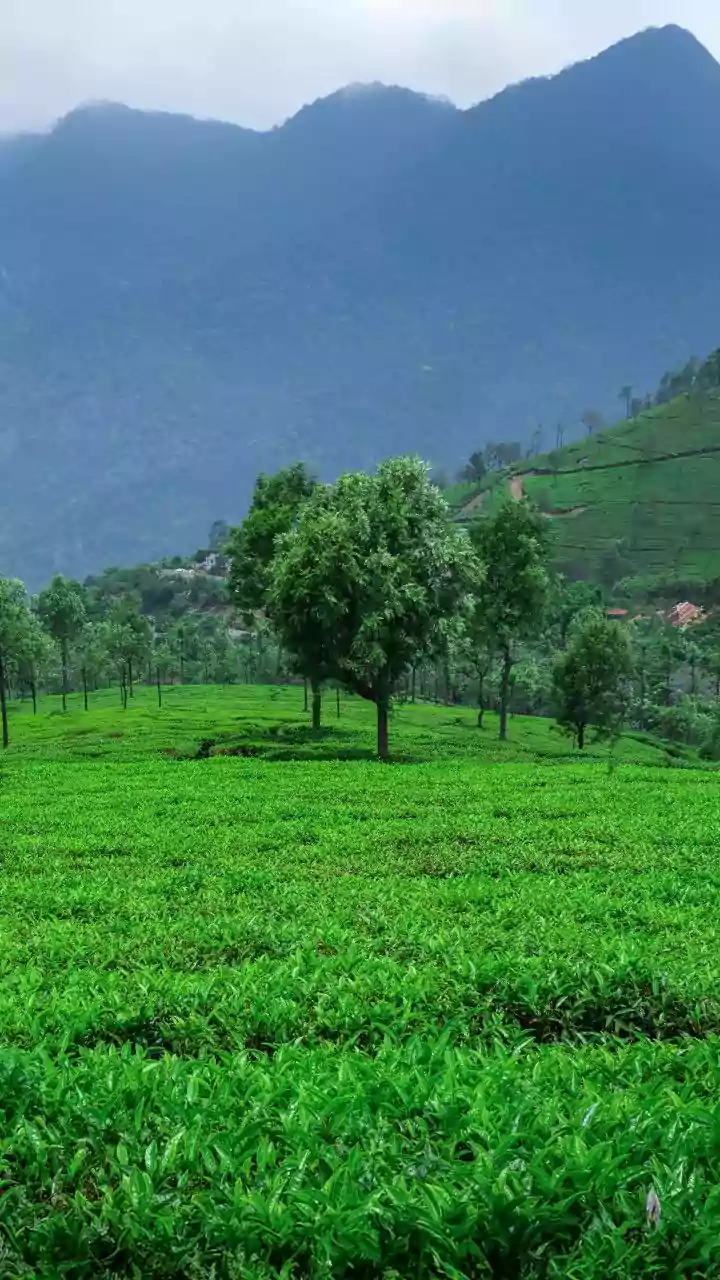
Nestled in the Western Ghats, Agumbe is renowned for its dense rainforests, high rainfall, and rich biodiversity. Its claim to fame? It’s one of the last remaining lowland rainforests and serves as the primary habitat for the majestic King Cobra, earning it the nickname ‘Cobra Capital’. The Agumbe Rainforest Research Station (ARRS) is a hub for ecologists and a fascinating place to learn about the region’s delicate ecosystem. Immersive exploration here means trekking through leech-filled trails to discover hidden waterfalls like Barkana Falls and Jogi Gundi Falls. The landscape, immortalised as the fictional town of Malgudi in the classic TV series, is a canvas of emerald-green paddy fields and mist-shrouded hills. Visiting during the monsoon allows you to witness the forest at its most alive, with countless streams coming to life and a chorus of frogs and insects providing a constant soundtrack to your adventure.
Tutunendo, Colombia: A Global Contender
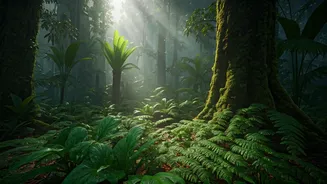
To understand the global scale of extreme rainfall, look to Tutunendo, a small town in Colombia. Often vying with Mawsynram for the title in certain years, this region is part of the Chocó biogeographic region, one of the most biodiverse and rain-drenched areas on the planet. The humidity is near 100%, and it rains nearly every day of the year. The 'wilderness exploration' here is deeply connected to its rivers. The town is situated between the Tutunendo and Ichó rivers, which serve as the main highways. Locals and visitors alike travel by boat, exploring a jungle teeming with exotic birds, monkeys, and poison dart frogs. The adventure involves swimming in the clean, warm river waters, hiking to cascading waterfalls hidden in the jungle, and experiencing the unique culture of the Afro-Colombian communities who have adapted to life in this incredibly wet environment.