






The Secret Revealed: What Is Squalane?
Squalane (with an 'a') is a skincare ingredient that has been gaining massive popularity, and for good reason. It’s a stabilised, hydrogenated version of squalene (with an 'e'), a lipid that our own skin cells naturally produce. This natural oil is a key
component of our sebum, helping to keep our skin moisturised and protected. However, our body's production of squalene starts to decline in our 20s and 30s, leading to drier, rougher skin. By using squalane in skincare, we are essentially replenishing what our skin is missing with something it already recognises. This makes it incredibly effective and well-tolerated. Historically, squalene was sourced from shark liver, but today, most brands use sustainable, plant-derived sources like olives, rice bran, and sugarcane.
The 'Smooth and Light' Sensation
The first thing users notice about squalane is its incredibly lightweight and non-greasy texture. Although it is technically an oil, it absorbs into the skin almost instantly, leaving behind a smooth, soft finish without any sticky residue. This is because its molecular structure is so similar to our skin’s own oil. It acts as a superb emollient, meaning it works to smooth and soften the skin's surface, improving texture and suppleness. Unlike some heavier oils that can sit on top of the skin, squalane penetrates easily, which is why it's a favourite for those who dislike the feeling of traditional face oils. It is also non-comedogenic, which means it won’t clog pores, a huge plus for those with oily or acne-prone skin.
Deep Nourishment and Barrier Support
Beyond its silky texture, squalane is a powerhouse of nourishment. Its primary job is to prevent transepidermal water loss, locking moisture into the skin to keep it hydrated and plump for longer. A strong, healthy skin barrier is essential for protecting against environmental stressors like pollution, and squalane helps to fortify this barrier. It's also a natural antioxidant, which helps to neutralise damaging free radicals that can accelerate signs of ageing like fine lines and wrinkles. Some studies show its anti-inflammatory properties can help soothe redness and irritation, making it beneficial for conditions like eczema, psoriasis, and rosacea.
Is Squalane Right for Your Skin?
One of the most compelling benefits of squalane is its universal suitability. Because it mimics our skin’s natural oils, it's generally well-tolerated by all skin types. For dry skin, it provides deep, lasting moisture. For oily skin, it can actually help balance sebum production; by providing adequate moisture, it can signal to the skin that it doesn't need to produce excess oil. Its gentle, non-irritating nature makes it a safe choice for sensitive skin. Even those in humid climates, like many parts of India, find squalane ideal because it provides hydration without the suffocating feel of heavier creams.
How to Add Squalane to Your Routine
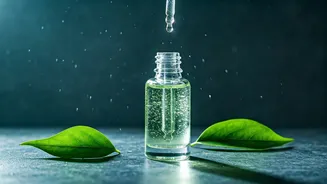
Incorporating squalane is simple. It's available as a 100% pure oil, or as a key ingredient in serums, moisturisers, and even cleansers. If you're using a pure squalane oil, the general rule is to apply it after water-based products like toners and serums, but before heavier creams. A few drops are all you need. Gently press it into the skin on your face and neck. You can also mix a drop or two into your favourite moisturiser for an extra hydration boost. It works well both morning and night. In the morning, it creates a smooth base for makeup, and at night, it works as an overnight mask to seal in moisture while you sleep.