



Picking Your Pots and Place
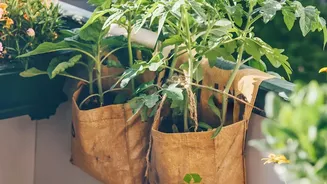
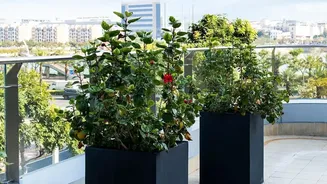
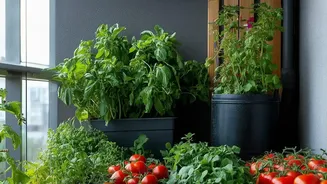
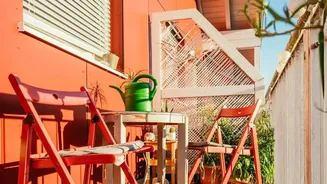
Before you begin, assess your balcony. Most herbs, including basil and curry leaves, thrive in spots that receive at least six hours of direct sunlight. Mint is more forgiving and can tolerate some partial shade. When choosing containers, think about
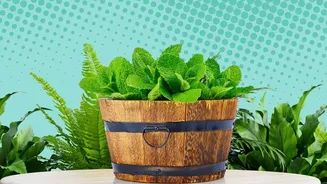
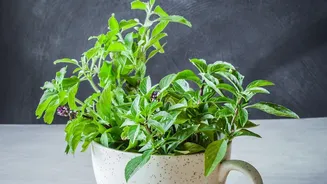
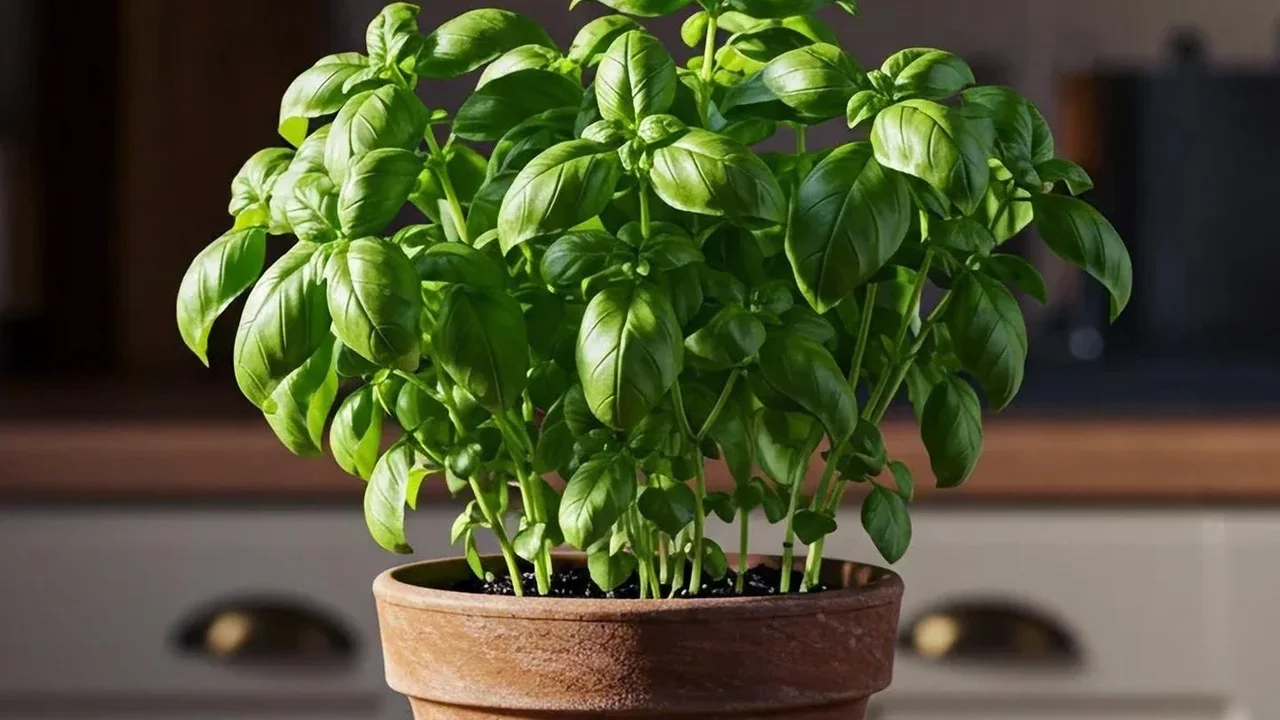
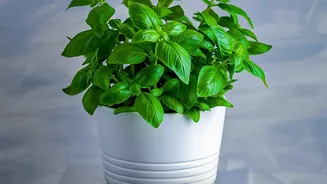
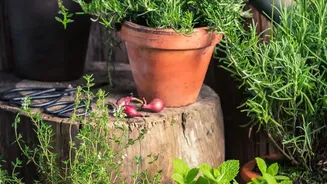
the plant's growth habits. Terracotta or clay pots are excellent as they are porous and prevent waterlogging. Ensure every pot has drainage holes at the bottom; this is non-negotiable for healthy roots. For basil, a pot that is at least 8-10 inches in diameter and depth is a good start. Curry leaf plants will eventually need a much larger pot, around 12-18 inches in diameter, as they grow into small shrubs. Mint is an aggressive spreader, so it’s crucial to give it its own wide, separate container to prevent it from taking over your other herbs.
The Perfect Soil Foundation
You cannot use regular garden soil for containers, as it becomes too compact and suffocates the roots. What you need is a well-draining potting mix. You can buy a quality pre-made mix from any local nursery. A good potting mix allows water to be retained without becoming soggy, providing the perfect balance for your herbs. To create your own, a simple and effective formula is to combine equal parts garden soil, compost or well-rotted manure, and a material like cocopeat or coarse sand to improve drainage and aeration. This loose texture helps the roots grow strong and prevents common issues like root rot.
Your Guide to Growing Basil (Tulsi)
Basil is a warm-season herb that loves sun. It needs a spot with 6-8 hours of sunlight for the best flavour. If starting from seeds, sow them about six weeks before the last frost. However, buying a small starter plant from a nursery is often easier for beginners. Water basil when the top inch of soil feels dry to the touch, and try to water at the base of the plant to keep the leaves dry. Basil grows quickly, so regular harvesting is key. Pinch off the top sets of leaves regularly, cutting just above a pair of leaves. This encourages the plant to become bushier and more productive, preventing it from flowering and dying off too soon.
Your Guide to Growing Mint (Pudina)
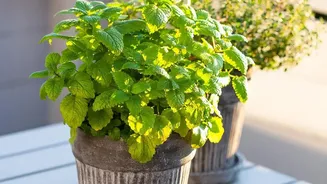
Mint is one of the most rewarding herbs for a beginner because it grows so vigorously. The easiest way to start is not from seed, but from a cutting. You can simply take a healthy stem from a bunch of mint you bought at the market, place it in a glass of water, and wait for small white roots to appear. Once rooted, plant it in its own wide pot filled with a well-draining soil mix. Keep the soil consistently moist but not waterlogged. Mint enjoys morning sun but appreciates some shade during the harsh afternoon heat. Harvest often by snipping stems to encourage fresh growth, ensuring a constant supply for your chutneys and teas.
Your Guide to Growing Curry Leaves (Kadi Patta)
The curry leaf plant, or Kadi Patta, is a staple in Indian cooking and a wonderful plant for a sunny balcony. It requires a deep pot and at least 6-8 hours of bright, direct sunlight to thrive. Unlike mint and basil, it grows more slowly into a woody shrub. Water the plant when the top inch of soil feels dry, and ensure excellent drainage. During its first year, be patient and harvest leaves sparingly to allow the plant to establish a strong root system. To encourage a bushier plant rather than a single tall stem, regularly pinch off the top sets of leaves. Diluted buttermilk or rice water can be used occasionally as a mild, homemade fertilizer to promote healthy leaves.