






Diwali's festive spirit often spills outdoors with evening walks and celebrations. But with air quality concerns, especially in our cities, a quick glance at a weather app isn't enough. Understanding what those numbers mean is key to a safe festival.
Decoding the Air Quality Index (AQI)
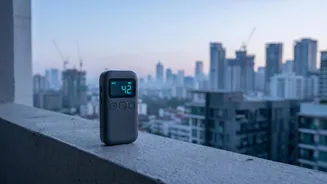
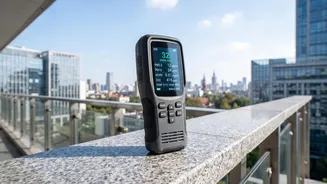
The Air Quality Index, or AQI, is a simple tool designed to make complex air pollution data easy to understand. Think of it as a scoreboard for the air, running from 0 to 500. This single number translates measurements of multiple pollutants—like particulate matter and harmful gases—into one figure. The higher the AQI value, the more polluted the air and the greater the health risk. Most apps use a colour-coded system to help you see the risk at a glance, transforming confusing data into a straightforward health advisory. This system allows anyone, regardless of scientific knowledge, to quickly assess the immediate environmental conditions.
The Pollutants That Matter Most: PM2.5 and PM10
During Diwali, the main culprits for poor air quality are tiny airborne particles known as Particulate Matter (PM). You'll see them listed as PM2.5 and PM10. The number refers to their size in microns. PM10 includes coarser particles like dust and pollen, which can irritate your nose and throat. However, PM2.5 particles are the greater threat. They are incredibly fine—about 30 times smaller than a human hair—and come from combustion sources like vehicle exhaust and firecrackers. Because they are so small, PM2.5 particles can bypass your body's natural defenses, travelling deep into your lungs and even entering your bloodstream, posing significant short-term and long-term health risks.
Making Sense of the Colours and Numbers
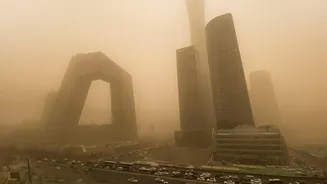
India's AQI system is divided into six categories, each with a corresponding colour and health advisory. Understanding these levels is crucial for making decisions. - Good (0-50, Green): Air quality is excellent, with minimal risk. It's a great day for outdoor activities. - Satisfactory (51-100, Light Green): Generally acceptable, but it may cause minor breathing discomfort for very sensitive people. - Moderate (101-200, Yellow): This is a critical level. While the general public might not feel it, this air can cause breathing discomfort for children, the elderly, and people with existing heart or lung conditions like asthma. - Poor (201-300, Orange): Now, most people will start to feel the effects, especially after prolonged exposure. You might experience coughing or breathing discomfort. - Very Poor (301-400, Red): This poses a risk of respiratory illness after extended exposure. Outdoor exertion should be avoided by everyone. - Severe (401-500+, Maroon): This is a health emergency. The air is hazardous even for healthy individuals, and it can seriously impact those with existing conditions. Stay indoors as much as possible.
Choosing and Using an Air Quality App
Several reliable apps can help you track air quality in real-time. Government-backed apps like Sameer (from the Central Pollution Control Board) and SAFAR-Air provide official data from monitoring stations across the country. Other popular international apps like IQAir AirVisual and Plume Labs offer comprehensive global data, detailed forecasts, and user-friendly interfaces with strong coverage in India. When you open an app, don't just look at the overall AQI. Check the primary pollutant listed. During Diwali, this is often PM2.5. Use the app to check the forecast, which can help you plan activities for the next few hours or even the next day.
Taking Action for a Safer Celebration
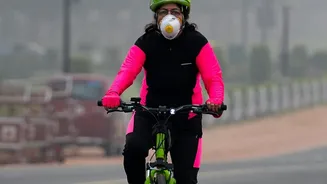
Once you know the AQI, you can take practical steps. If the level is 'Moderate' (Yellow), sensitive groups should limit strenuous outdoor activity. If it rises to 'Poor' (Orange) or 'Very Poor' (Red), everyone should reduce time spent outdoors, especially in the evenings when smog can be thickest. Avoid activities like jogging or cycling. If you must go out, consider wearing a high-quality N95 mask to filter out fine particles. For vulnerable individuals, including children, the elderly, and those with respiratory conditions like asthma or COPD, it's safest to stay indoors with windows closed, especially when the AQI enters the 'Very Poor' or 'Severe' categories. An air purifier at home can also help significantly reduce indoor pollutant levels.