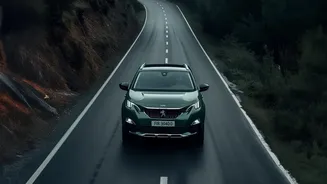




Vehicle Health and Visibility
Before you even think about packing, your car needs a thorough check-up. Your tyres are your first line of defence on slippery roads; ensure they have deep treads and are correctly inflated. Brakes must be responsive for steep, wet descents. Equally critical
is visibility. Replace worn-out wiper blades that leave streaks and top up your windshield washer fluid. Test all your lights—headlights, taillights, fog lamps, and indicators—to ensure you can see and be seen in heavy rain or fog. A quick look under the bonnet to check coolant and engine oil levels can also prevent overheating on steep inclines.
The Mechanical Emergency Kit
Getting stranded is a real possibility, whether from a flat tyre or a dead battery. Your emergency kit should include a properly inflated spare tyre, along with the jack and wheel spanner to change it. Jumper cables are a must-have for reviving a dead battery, a common issue in damp conditions. A sturdy tow rope is another essential; you might need it if you get stuck in mud or need to help another driver. Round out this kit with a basic set of tools, including screwdrivers and pliers, and some duct tape and zip ties for temporary fixes.
A Comprehensive First-Aid Kit
Medical help can be far away in the hills. Your first-aid kit should go beyond basic bandages and antiseptic cream. Pack common medicines for pain relief (paracetamol), fever, allergies, and stomach issues. Motion sickness tablets are crucial for winding mountain roads. Also include mosquito repellent, hand sanitiser, and any personal prescription medications with enough supply to last a few extra days in case of delays. Oral rehydration salts (ORS) can be a lifesaver if someone suffers from dehydration.
Survival and Comfort Supplies
Landslides and roadblocks can leave you stranded for hours. Always carry drinking water and non-perishable, high-energy snacks like biscuits, nuts, or energy bars. A powerful, waterproof torch with extra batteries is non-negotiable, as your phone's light won't be enough for a serious situation like changing a tyre at night in the rain. Pack a raincoat or poncho and an umbrella for each passenger. It’s also wise to keep a few large plastic sheets or waterproof bags to protect your luggage and electronics from water.
Navigation and Communication
Mobile networks are notoriously unreliable in hilly and remote areas. Before you leave, download offline maps of your entire route on your phone. A fully charged power bank is not a luxury but a necessity to keep your devices running. Also, keep a car charger handy. It’s a good practice to share your itinerary with family or friends and have a written list of emergency contact numbers, as you may not be able to access your phone's contacts if the battery dies.
Essential Documents and Paperwork
Ensure all your vehicle documents are in order and easily accessible, preferably in a waterproof pouch. This includes your driving licence, the vehicle's Registration Certificate (RC), a valid insurance policy, and a Pollution Under Control (PUC) certificate. Having both physical and digital copies is a smart backup. Also, check if you have sufficient balance on your FASTag for tolls. If travelling to restricted areas, make sure you have the necessary permits arranged in advance.