

The Science of the Smoke Point
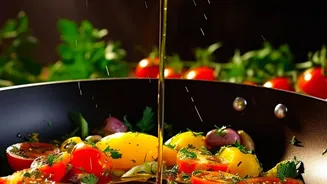
Every home cook has seen it: that moment when oil in a hot pan stops shimmering and starts smoking. This is the 'smoke point'—the temperature at which a fat begins to break down chemically. When an oil exceeds its smoke point, it’s not just a matter of
a burnt taste. The oil's structure degrades, releasing harmful compounds called free radicals and a substance named acrolein, which is responsible for the acrid smell and can be toxic. This process doesn't just ruin the oil; it can negatively affect the food you’re cooking.
Ghee: The High-Heat Hero
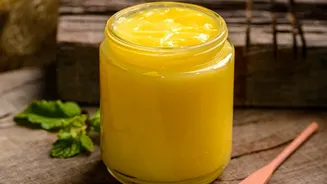
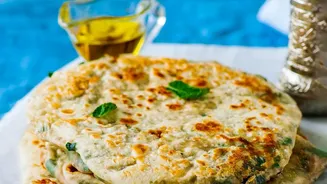
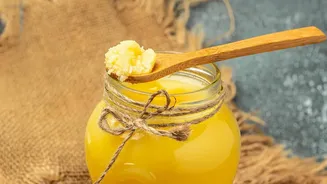
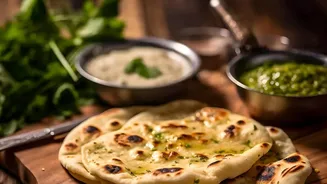
This is where ghee shines, especially in the context of Indian cooking which often involves high temperatures for tadka, searing, or frying. Ghee is clarified butter, meaning the milk solids and water have been removed. This purification process gives it one of the highest smoke points among cooking fats, around 250°C (485°F). This is significantly higher than butter (175°C) and many unrefined oils. This stability means ghee can withstand high cooking temperatures without breaking down, making it a safer and more reliable choice for frying and sautéing. The fact that herbs and spices can be infused into it also means their aromatic compounds are delivered effectively into a dish.
How Heat Affects Nutrients
When an oil is heated past its smoke point, it's not just the oil that degrades. The unstable environment created by smoking oil can accelerate the destruction of beneficial nutrients in your food, especially heat-sensitive vitamins. Conversely, cooking with a stable, high-smoke-point oil like ghee helps maintain a consistent cooking temperature below the point of chemical breakdown. This stable heat transfer can cook food efficiently without creating the harmful byproducts that arise from burning oil. While all high-heat cooking will result in some nutrient loss, using a fat that remains stable helps preserve more of the food's integrity. Furthermore, ghee is rich in fat-soluble vitamins like A, D, E, and K, which are crucial for our health.
The Case for Cold-Pressed Oils
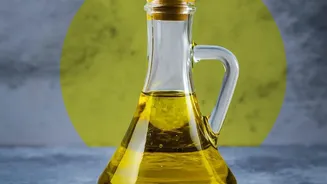
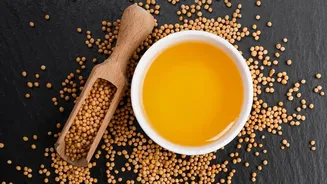
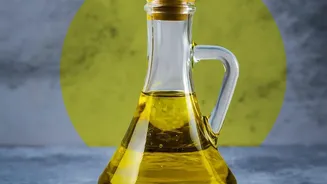
So, should you throw out your cold-pressed oils? Absolutely not. Cold-pressed oils are extracted without high heat or chemicals, which means they retain more of their natural nutrients, flavour, and antioxidants in their raw state. Oils like extra virgin olive oil, flaxseed oil, and cold-pressed groundnut or mustard oil are packed with benefits and offer unique flavours. However, their delicate nature often means they have a lower smoke point. Heating them past this point not only destroys their valuable nutrients but also negates the reason for choosing them in the first place.
The Right Oil for the Right Job
The key takeaway is not that one oil is universally 'better,' but that different oils are suited for different tasks. High-smoke-point fats like ghee are ideal for high-temperature cooking methods like deep-frying, roasting, and searing. Its stability helps ensure you're not introducing unwanted chemicals into your meal and provides a better environment for preserving food nutrients under heat. Reserve your delicate, flavourful cold-pressed oils for dressings, drizzling over finished dishes, and very low-heat cooking. By understanding the properties of your cooking fats, you can make smarter choices that enhance both the flavour and the nutritional value of your food.