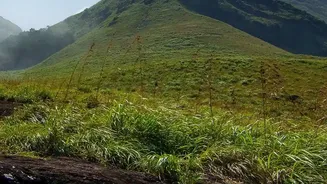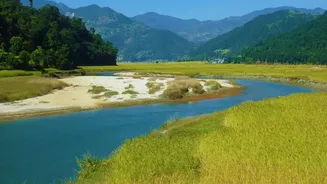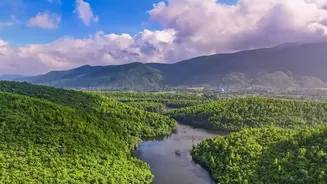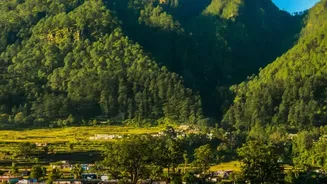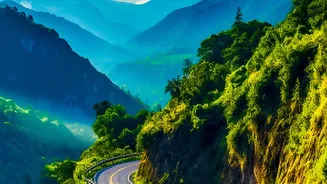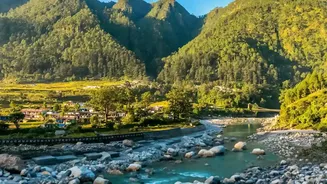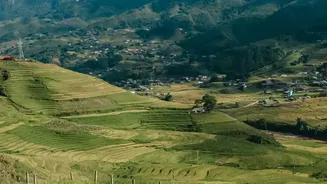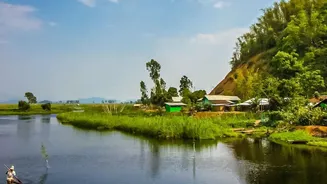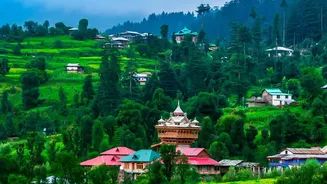

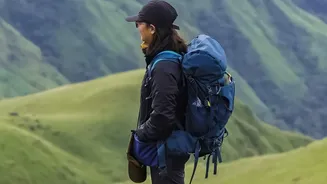
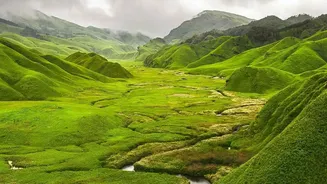
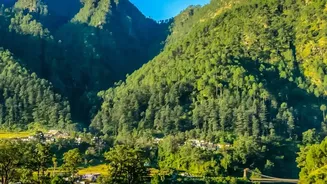
Far from the crowded tourist circuits, Arunachal Pradesh hides a valley that feels like a forgotten paradise. Mechuka, with its vast meadows, traditional wooden homes, and the gentle Siyom River, is the ultimate offbeat getaway for the soul.
Welcome to the ‘Forbidden Valley’
Nestled in
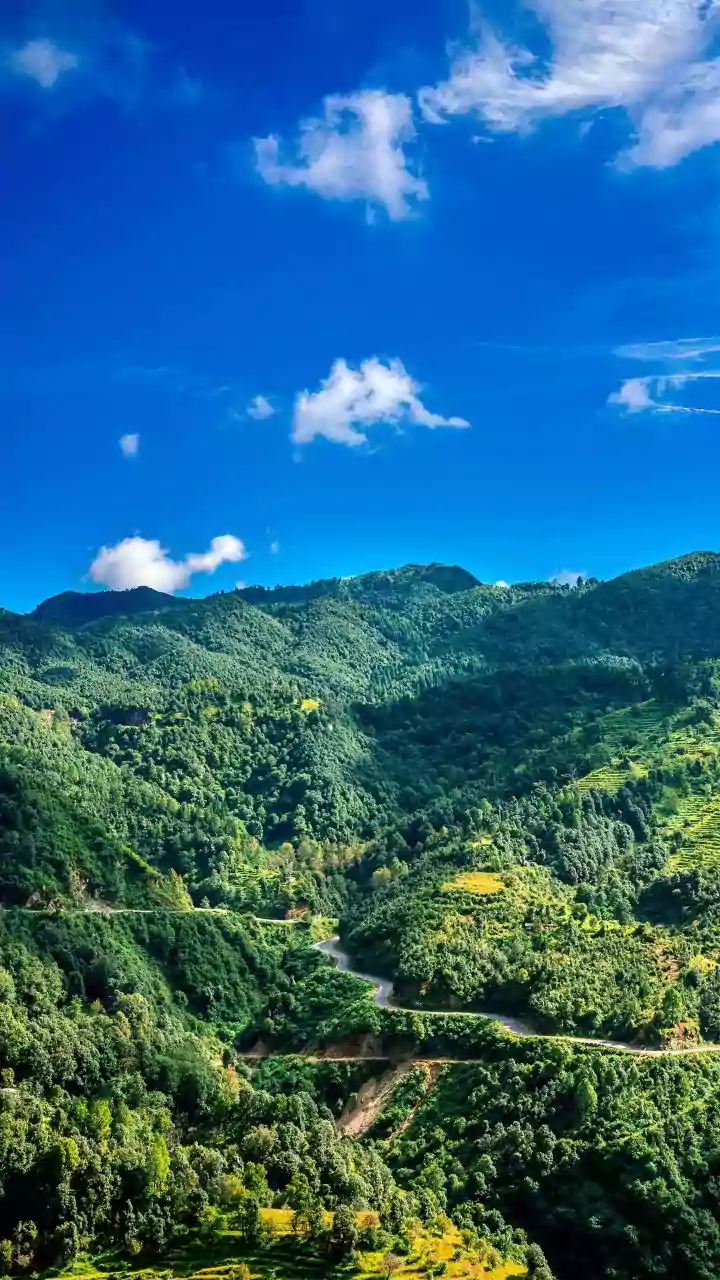
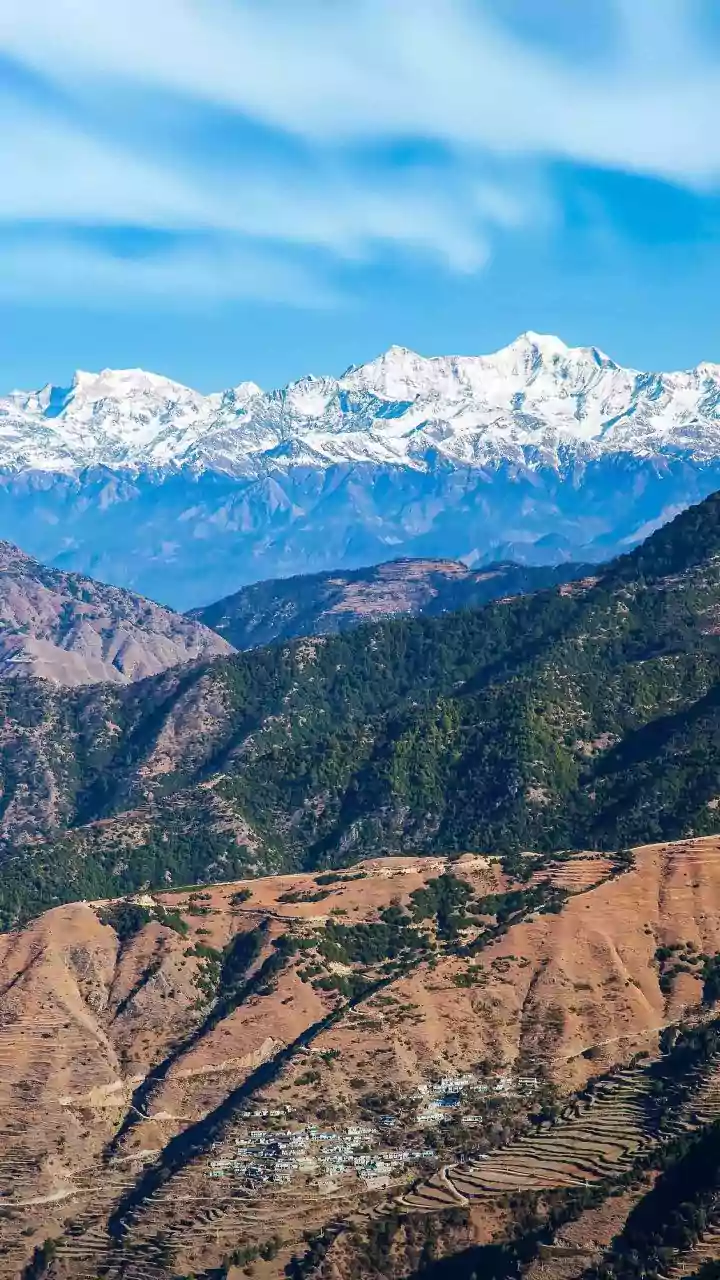
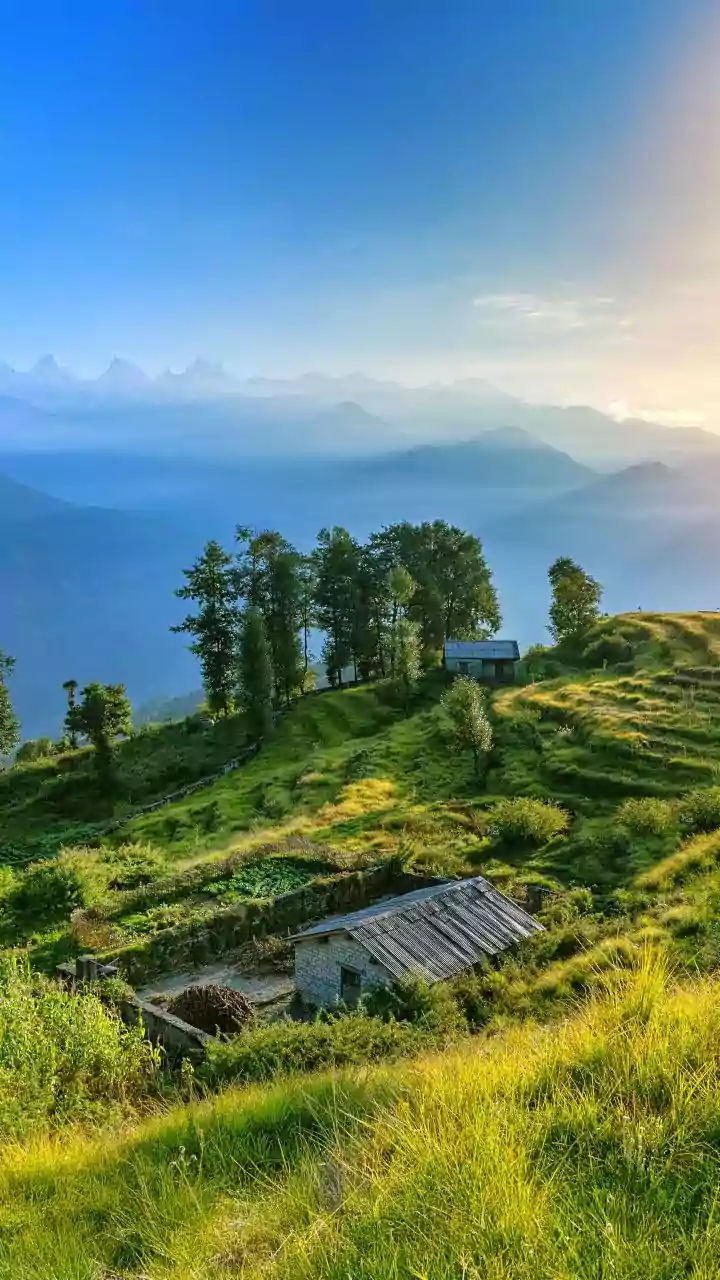
the Shi-Yomi district at an altitude of 6,000 feet, Mechuka was once called the 'Forbidden Valley' of Arunachal Pradesh due to its remote location. Today, it remains one of India’s most enchanting and untouched destinations, located just 29 kilometres from the Indo-China border. The name itself translates to 'medicinal water of snow', a nod to the healing properties believed to be in the glacial waters of the Siyom River that meanders through the valley. The landscape is a breathtaking panorama of sprawling green meadows, dense pine forests, and distant snow-capped peaks, offering a sense of serenity that is hard to find elsewhere. The valley's pristine beauty and quietude make it a perfect escape for those looking to disconnect and immerse themselves in nature.
The Charm of Traditional Wooden Homes
A defining feature of Mechuka is its unique architecture. The valley is dotted with the traditional homes of the Memba tribe, built primarily from wood and stone. These houses are often constructed on raised platforms and feature intricate woodwork that showcases local craftsmanship. The kitchen, with its open fireplace, typically forms the heart of the home, a warm gathering place for families. Walking through local hamlets like Dorjeeling village, you can see these beautiful structures set against a backdrop of grazing horses and rolling hills, creating a scene straight out of a pastoral painting. These homes are not just dwellings but a living reflection of the community's harmonious relationship with nature and their centuries-old building traditions.
A Rich Tapestry of Culture
Mechuka is predominantly home to the Memba people, who follow Tibetan Buddhism, but the valley's cultural fabric is also enriched by the Ramo, Bokar, and Libo tribes. This blend of cultures is visible in the local festivals, languages, and daily life. The most significant spiritual site is the 400-year-old Samten Yongcha Monastery, a Mahayana Buddhist gompa perched on a hilltop. Older than the famous Tawang Monastery, this serene wooden structure houses ancient statues, sacred scriptures, and offers panoramic views of the entire valley. The local people are known for their warm hospitality, often welcoming visitors into their homestays for an authentic experience of their culture, complete with local dishes like thukpa, momos, and butter tea.
Adventures Along the Yargyap Chu
The Siyom River, known locally as the Yargyap Chu, is the lifeline of the valley and a hub for gentle adventures. Its crystal-clear waters flow gracefully through the meadows, crossed by several traditional hanging bridges made of wood and cane. Walking across these swaying bridges is a thrilling experience in itself, offering fantastic photo opportunities. The riverside is perfect for leisurely strolls, picnics, or simply sitting and absorbing the tranquil atmosphere. For those seeking more activity, the pristine trails leading through the forests and along the river are ideal for hiking, allowing you to discover hidden corners of the valley at your own pace.
Planning Your Journey
Reaching Mechuka is an adventure that requires planning. The most common route is to fly to Dibrugarh in Assam. From there, it's a two-day road journey, typically with an overnight stop in Aalo (also known as Along). The drive from Aalo to Mechuka covers about 180 km and takes 6-8 hours through winding mountain roads with stunning scenery. Indian tourists must obtain an Inner Line Permit (ILP) to enter Arunachal Pradesh, which can be applied for online. Foreign nationals require a Protected Area Permit (PAP). It's advisable to carry sufficient cash, as ATMs are unreliable, and be prepared for patchy mobile connectivity. The best time to visit is from October to April, when the skies are clear and the weather is pleasant.