







Every festival in India tells a story, and in our digital age, that story is often written in food delivery data. Swiggy's 2026 Navratri findings are here, and they paint a fascinating picture of a country that holds tradition close, but convenience even
closer.
The Unstoppable Reign of Sabudana
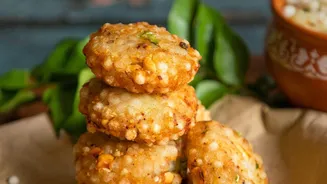
Let’s start with the headline act: sabudana. The humble sago pearl once again proved it is the undisputed king of Navratri fasting. According to Swiggy's data, an average of 1,794 sabudana dishes were delivered every hour during the peak festive weekend of October 17-18. Sabudana Khichdi and Sabudana Vada were the two most popular preparations, demonstrating the enduring appeal of these familiar fasting staples. While major metros like Mumbai and Bengaluru led the charge in Khichdi orders, cities like Pune and Jaipur were not far behind, showing the dish's nationwide popularity. This overwhelming demand doesn't just point to a popular dish; it shows a collective cultural practice playing out on a massive, digitally-enabled scale.
It's All About the Thali
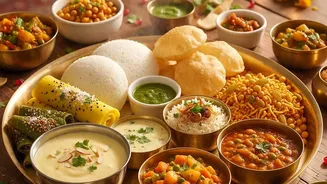
While individual dishes were popular, the real story of convenience is the rise of the complete meal. Navratri Vrat Thalis saw a huge surge in adoption, becoming a go-to for those observing the fast without the time for elaborate preparation. The 'Navratri Special Vrat Thali with Singhara Poori' was the top choice for many, especially in cities like Delhi, Bengaluru, Gurgaon, and Noida. One particularly devout (or perhaps, particularly busy) customer in Noida placed a single order for 13 vrat thalis, amounting to over ₹11,000. This trend suggests that for many urban Indians, the goal is to uphold the spirit of the tradition, and they are more than willing to outsource the labour involved. Delivery platforms aren't replacing the ritual; they are making it possible to observe it amidst hectic modern lives.
A Sweet Tooth for Tradition
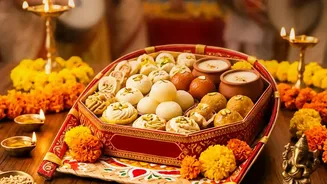
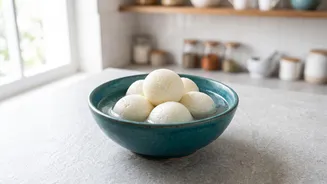
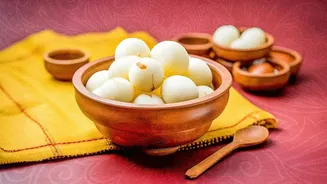
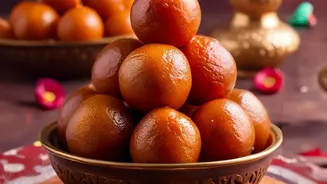
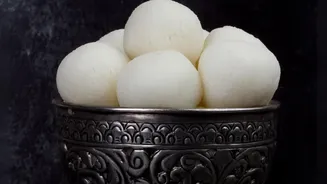
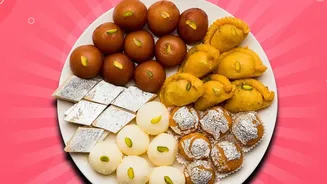
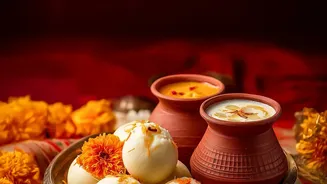
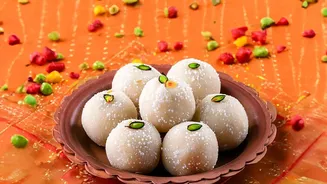
Fasting is one side of the coin; feasting is the other. Swiggy reported a massive 36.4% increase in orders for traditional sweets during the festive period compared to last year. The crown for the most-ordered sweet went to Rasgulla, which clocked an average of 495 orders every hour. Delhi, Mumbai, and Gurgaon led the demand for this sweet delight. Following closely were other classics like Gulab Jamun, Kaju Katli, and Jalebi. What's interesting is that this sweet surge wasn't just a metro phenomenon. Smaller cities like Patna, Dehradun, Jodhpur, and even Agartala and Shillong showed high demand for sweets, indicating a countrywide desire to celebrate with traditional mithai.
The Modern Twist in the Tale
While tradition reigned supreme, the data also hints at evolving tastes. The most expensive sweet order came from a customer in Mumbai who spent nearly ₹9,900 on assorted mithais, which notably included 'Coffee Rasgulla Tiramisu'. This single order perfectly encapsulates the modern Indian palate: a deep love for the traditional, coupled with an adventurous spirit. Beyond sweets, restaurants offered creative vrat-friendly menus with items like Kuttu Paneer Pakodas, Rajgira Pooris, and even innovative dishes like Shakarkandi ki Chaat and Kacche Kele ka Madra, all available for delivery. This shows that while the core principles of fasting food are followed, there's growing room for culinary creativity and interpretation, making the nine days a journey of flavour as much as faith.