





Your Gut Is Your Second Brain
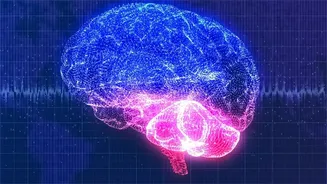
It might sound strange, but the old saying 'trust your gut' has a real biological basis. Your gastrointestinal tract is lined with millions of nerve cells, forming what scientists call the enteric nervous system. This 'second brain' is in constant, two-way
communication with your actual brain. This network, known as the gut-brain axis, relies on signals sent via nerves like the vagus nerve, as well as hormones and other chemical messengers. What happens in your gut doesn't stay in your gut; it can directly influence your mood, stress levels, and even cognitive functions like memory and focus.
The Power of Your Gut Microbiome
Your gut is home to trillions of microorganisms, a bustling community of bacteria, viruses, and fungi known as the microbiome. For years, we thought their job was just digestion, but emerging research shows they are key players in the gut-brain conversation. A balanced and diverse microbiome is crucial for health. These microbes help produce essential vitamins and, most surprisingly, neurotransmitters. An estimated 90-95% of your body’s serotonin, the famous 'feel-good' chemical that regulates mood and happiness, is produced in the gut. Certain gut bacteria play a crucial role in stimulating the cells that create it. When this microbial ecosystem is out of balance, it can lead to inflammation and reduced neurotransmitter production, potentially contributing to brain fog, anxiety, and low mood.
Probiotics: The Good Bacteria Boost
This is where probiotics come in. Probiotics are live, beneficial bacteria that, when consumed, can help restore balance to your gut microbiome. Think of them as reinforcements for your gut's army of good microbes. Certain strains, sometimes called 'psychobiotics', have been studied for their potential mental health benefits. Research suggests these helpful bacteria can influence the production of neurotransmitters like serotonin, dopamine, and GABA, all of which are vital for mood regulation. They may also help reduce inflammation and lower stress hormone levels, which can have a calming effect and support clearer thinking.
Fiber: The Fuel for Focus
If probiotics are the workers, then prebiotics are their fuel. Prebiotics are types of dietary fiber that your body can't digest. Instead, they travel to your lower digestive tract, where they become a food source for your beneficial gut bacteria. This is particularly important for fiber's brain-boosting effects. When gut bacteria ferment prebiotic fiber, they produce compounds called short-chain fatty acids (SCFAs). One of these, butyrate, is a superstar for brain health. It helps strengthen the gut lining, reducing system-wide inflammation that can cloud thinking. Butyrate can also cross the blood-brain barrier, where it is believed to support memory, learning, and the growth of new neurons.
How to Eat for a Sharper, Happier Mind
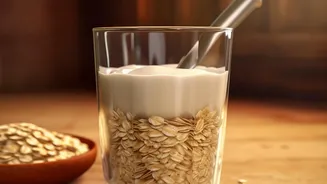
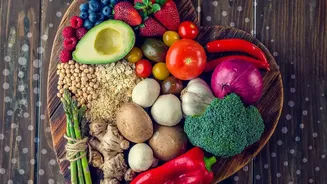
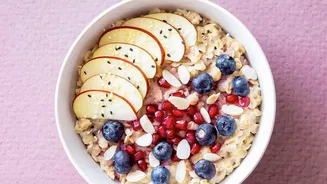
Supporting your gut-brain axis doesn't require a radical diet overhaul. It's about mindfully incorporating more probiotic and prebiotic foods. For probiotics, look to fermented foods. Yogurt and kefir are excellent choices, but also consider adding kimchi, sauerkraut, miso, and kombucha to your meals. When buying, look for labels that say 'live and active cultures' to ensure you're getting the benefits. For prebiotics, think fiber. Whole grains like oats and barley are fantastic. Load up on vegetables such as garlic, onions, asparagus, and leeks. Fruits like bananas and apples are also great sources of prebiotic fiber. Legumes, including beans, lentils, and chickpeas, are another powerful and affordable way to feed your good gut bugs.