
An Indispensable Wartime Lifeline
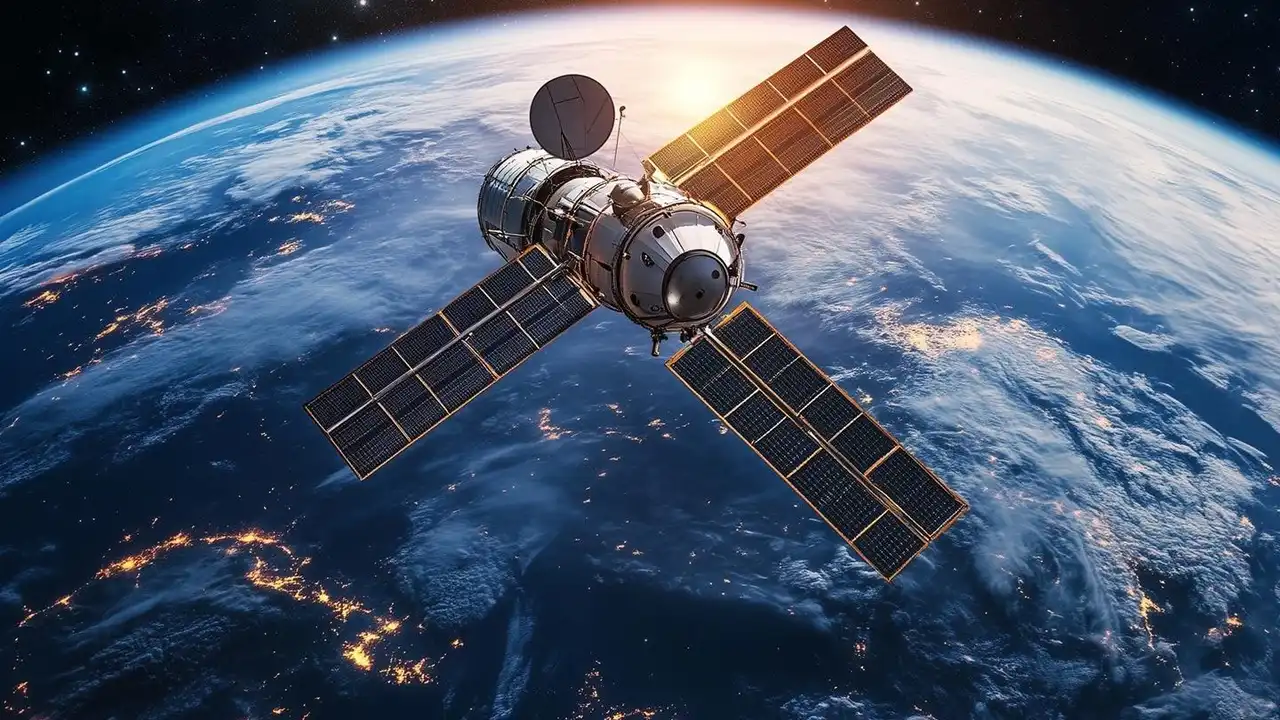
Since the early days of Russia's full-scale invasion in 2022, Starlink has been a critical tool for Ukraine. When Russian attacks crippled terrestrial communication infrastructure, SpaceX's satellite network provided a vital lifeline for the Ukrainian
military, government, and civilians. It enabled battlefield communications, guided drones, and allowed officials to stay connected with the world. The service, particularly its military-grade version known as Starshield, became so integrated into Ukraine's defense that the Pentagon secured a contract to ensure its availability, recognizing it as a 'vital layer' in the country's communication network.
The Battlefield Restrictions Emerge
The relationship soured in mid-October 2026, when Ukrainian forces experienced a sudden and unannounced throttling of their Starshield service. A speed limit of approximately 161 kilometers per hour (100 mph) was imposed, severely impacting fast-moving drones. Ukrainian President Volodymyr Zelensky confirmed the restrictions, stating they hindered the country's ability to use interceptor drones against fast, jet-powered Russian Shahed drones. This move complicated not only air defense but also frontline logistics, where drones are used to deliver supplies to troops. The restrictions came without warning, sparking confusion and alarm in Kyiv.
A Murky Chain of Command
Pinpointing who ordered the restrictions has proven difficult, creating a tense triangle of blame between SpaceX, the White House, and Ukraine. Elon Musk stated on his social media platform X that Starshield systems are 'owned and controlled by the US government' and that any limits are decided by the U.S. military and the president. However, reports have also suggested that Musk himself proposed the idea of a speed cap to the White House. President Zelensky noted that his government received no clear answers from either SpaceX or U.S. authorities, being told the issues were 'technical'. Adding to the mystery, Zelensky claimed that tests conducted in the EU showed the speed limits were specific to Ukraine's territory, suggesting a deliberate act.
The Fear of Escalation
At the core of the dispute is a fundamental disagreement over the role of a commercial technology in active combat. Musk has repeatedly expressed concern about Starlink being used for offensive military actions, stating his goal is for it to be a civilian network, not a participant in combat. This stance has led to previous limitations, such as refusing a Ukrainian request to extend service to assist an attack on Russian-occupied Crimea. The current restrictions are viewed by some as an extension of this philosophy, an attempt by SpaceX and potentially the U.S. government to avoid being seen as direct parties to attacks, especially those deep inside Russian-held territory or on Russian infrastructure.
The Geopolitical Precedent
The Starlink-Ukraine saga highlights a new and complex reality in modern warfare: the immense power wielded by private technology companies. When a single company can influence battlefield dynamics by throttling a service, it raises profound questions for national sovereignty and military strategy. Governments are now forced to reckon with their reliance on commercial infrastructure for critical national security functions. The dispute underscores the blurred lines between a neutral utility provider and an active military tool, setting a precedent that will likely shape how future conflicts are fought and how nations partner with the private sector.