



From Heirloom to Hype
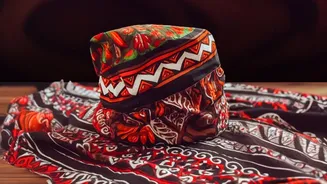
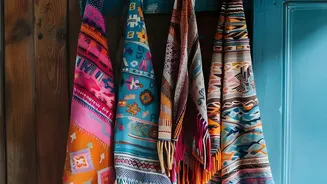
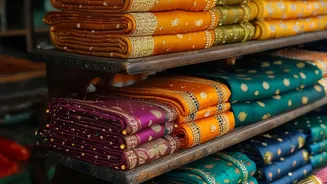
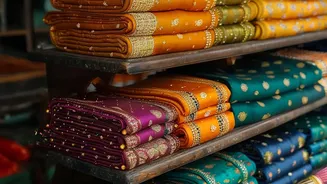
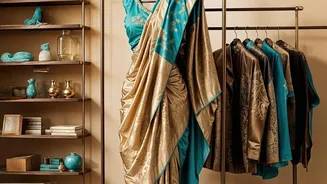
For generations, textiles like Ikat, Khadi, and Jamdani were synonymous with saris and traditional attire, often reserved for special occasions. Today, that narrative is being flipped. A new wave of designers and youth-focused brands are collaborating
with weaver communities to take these heritage textiles out of the heirloom trunk and onto the streets. They are transforming handwoven fabrics, once seen as delicate or high-maintenance, into durable, stylish, and highly coveted everyday wear. The result is a fusion where the intricate beauty of a centuries-old weave meets the laid-back cool of a bomber jacket, a hoodie, or a pair of sneakers.
The New Silhouettes of Streetwear
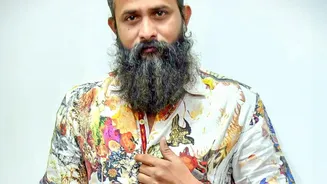
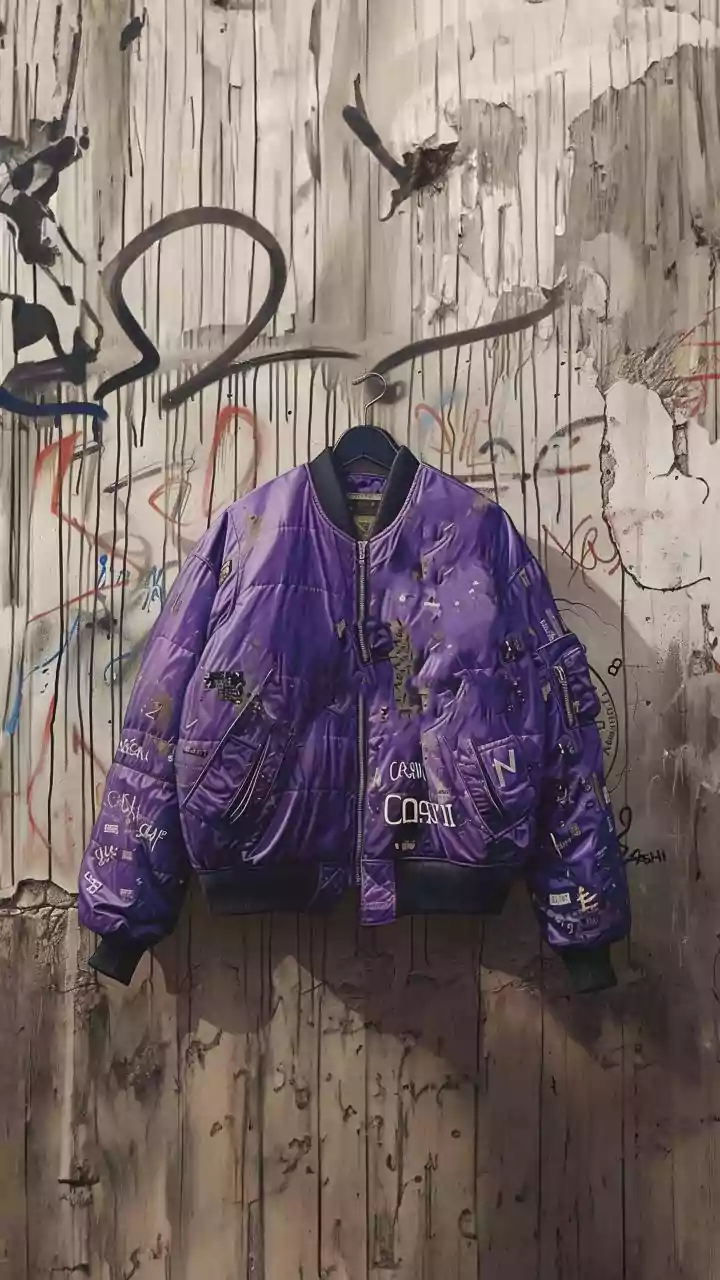
The adaptation is not just about using old fabric for new clothes; it's about a complete reinterpretation of form and function. Telangana's complex Pochampally Ikat, traditionally used for saris, now finds itself structured into unisex bomber jackets and tailored co-ord sets. Khadi, the fabric of India's freedom movement, is shedding its political skin to become 'khadi denim'—a hand-spun, breathable alternative to conventional jeans that resonates with eco-conscious Gen Z. Designers are experimenting with modern, oversized silhouettes, pairing handloom textiles with unexpected textures and cuts, like pairing a structured Chanderi shirt with cargo pants or an Ikat hoodie with shorts. This makes the fabric accessible and appealing to a generation that values both comfort and a unique identity.
Weavers as Fashion Co-Creators
This movement is rewriting the role of the artisan. Far from being passive producers, weaver communities are becoming active collaborators in the design process. Brands like Johargram in Jharkhand and Okhai, which works with artisans across India, are building models where craftspeople have a say in creating market-ready products. This direct collaboration ensures fair wages and preserves heritage techniques by making them economically viable. By integrating weavers' generational knowledge with contemporary design sensibilities, these partnerships are creating a powerful new fashion language—one that is ethical, authentic, and deeply rooted in community.
Why Heritage-Cool Resonates
The appeal of handloom streetwear for Indian youth is multi-layered. In a world dominated by fast fashion, these garments offer a story and a sense of connection. They represent a move towards sustainability, with their minimal carbon footprint and use of natural fibres. Each piece, with its slight, handmade variations, is inherently unique—a stark contrast to mass-produced clothing. For many young Indians, wearing these fabrics is a way to express pride in their cultural heritage while embracing a modern, global identity. It's fashion that feels good, looks cool, and carries a meaning that goes far beyond the surface, blending tradition with a rebellious, individualistic spirit.