





Understanding Your Fibre Needs
Before we dive into the foods, let's quickly understand what we're looking for. Dietary fibre is a type of carbohydrate the body can't digest. It comes in two forms: soluble and insoluble. Soluble fibre, found in oats, beans, and some fruits, dissolves
in water to form a gel-like substance that helps lower cholesterol and regulate blood sugar. Insoluble fibre, found in whole grains and vegetables, adds bulk to stool, aiding digestion and preventing constipation. A healthy Indian diet naturally provides a mix of both. The goal is to consciously include a variety of these foods to support everything from gut health and weight management to lowering the risk of chronic diseases.
The Lentil and Legume Legacy
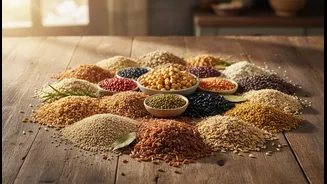
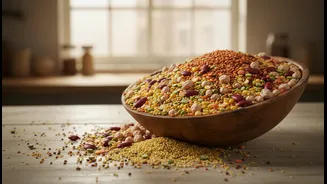
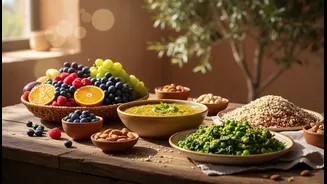
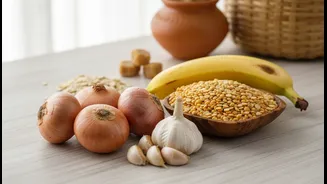
Dal is the heart and soul of Indian cuisine for a reason. Lentils and legumes are packed with both protein and fibre, a combination that promotes satiety and keeps you full for longer. A single cup of cooked lentils can provide a significant portion of your daily fibre needs. Varieties like masoor dal, moong dal, toor dal, and chana dal are excellent sources. Rajma (kidney beans) and chole (chickpeas) are also fibre champions, rich in the insoluble type that promotes digestive regularity. The simple act of including a bowl of dal with your lunch and dinner is one of the easiest ways to increase your fibre intake. Sprouting legumes before cooking can also enhance their nutritional profile.
Mighty Millets and Whole Grains
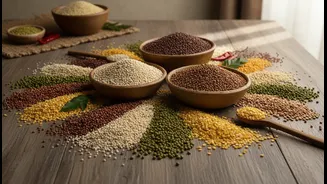
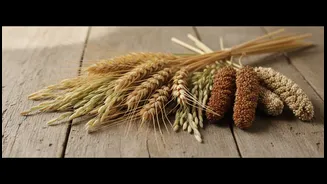
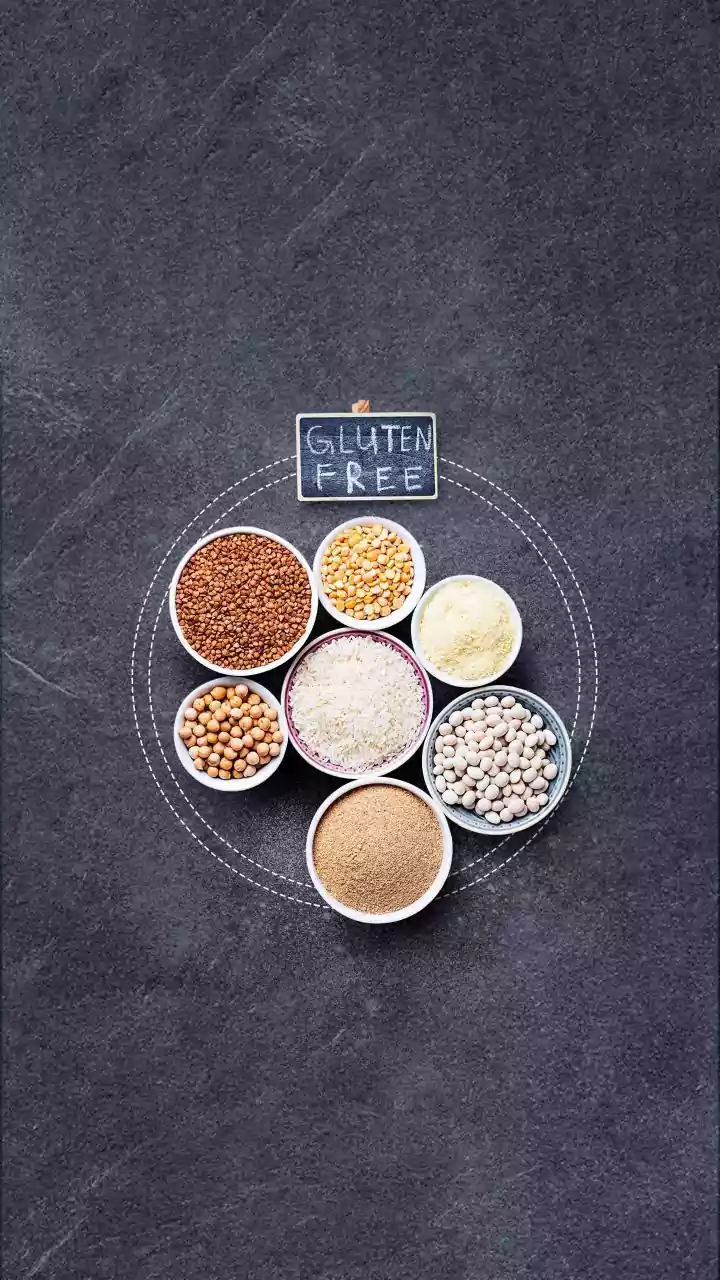
For centuries, millets were a staple in India before polished rice and refined wheat became widespread. Now, these ancient grains are making a well-deserved comeback. Millets like jowar (sorghum), bajra (pearl millet), and ragi (finger millet) are naturally gluten-free and loaded with fibre. Ragi is renowned for its calcium content, while bajra is rich in iron, and jowar is great for digestion. Simply swapping your regular wheat rotis for those made with jowar or bajra flour a few times a week can make a big difference. Similarly, choosing whole wheat atta over refined flour and opting for brown rice instead of white are simple, effective upgrades.
The Unsung Heroes: Vegetables and Fruits
We cannot talk about fibre without celebrating our vibrant sabzis and seasonal fruits. Many everyday Indian vegetables are excellent fibre sources. Okra (bhindi), with its unique texture, is high in soluble fibre. Leafy greens like spinach (palak) and fenugreek (methi), along with cruciferous vegetables like cauliflower and cabbage, provide ample insoluble fibre. When it comes to fruits, guava is a superstar, especially when eaten with its seeds. Apples (with the skin on), papayas, and bananas are other accessible and fibre-rich options that aid digestion. Eating a variety of colourful, seasonal produce is key to getting a wide array of nutrients and fibre types.
Nuts, Seeds, and a Pinch of Spice
A final route to better fibre can be found in the smaller components of our meals. Nuts and seeds like almonds, walnuts, flaxseeds (alsi), and sesame seeds (til) are not just for garnish; they are dense sources of fibre, healthy fats, and protein. Sprinkling a tablespoon of flaxseeds on your yogurt or adding a handful of almonds to your morning routine is an easy boost. Even our spice boxes can contribute. While not a primary source, many spices used in Indian cooking have digestive benefits that complement a fibre-rich diet. The key is to see the entire Indian thali as a complete system, where every component works together to provide nourishment.