




Kaziranga National Park, Assam
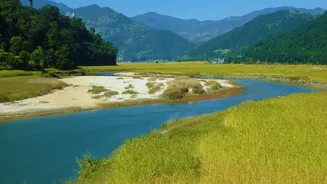
Famous for being the primary home of the one-horned rhinoceros, Kaziranga National Park is a UNESCO World Heritage Site that promises a thrilling wildlife experience. Spread across the floodplains of the Brahmaputra River, its landscape of tall elephant
grass, marshlands, and dense forests supports a rich biodiversity. Apart from the rhinos, you can spot majestic elephants, wild water buffalo, and swamp deer. The park is also a designated Tiger Reserve with a high density of tigers, though they remain elusive. For birdwatchers, Kaziranga is a haven with over 480 recorded species. The best way to explore its different ranges, like Kohora and Bagori, is through a jeep or an early morning elephant safari, which offers a unique perspective from above the tall grass.
The Living Root Bridges, Meghalaya
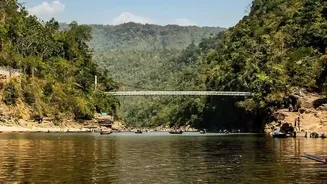
Meghalaya, the 'Abode of Clouds', is home to a marvel of bio-engineering: the living root bridges. Grown by the local Khasi tribes over decades, these bridges are formed by guiding the aerial roots of rubber fig trees across rivers and streams. The most famous of these is the Double-Decker Root Bridge in Nongriat village, which requires a trek down approximately 3,000 steps. These structures are not built but grown, becoming stronger with each passing year, and are a testament to the harmonious relationship between humans and nature. While the monsoon months (June-September) bring the landscape to its most vibrant, the best time for trekking and clear trails is from October to April. A visit here is a humbling experience, combining a moderately strenuous hike with a view of a truly unique living wonder.
Tawang, Arunachal Pradesh
Situated at an altitude of around 10,000 feet, Tawang is a land of majestic mountains, serene monasteries, and high-altitude lakes. The journey itself is an adventure, crossing the dramatic Sela Pass at 13,700 feet, which offers breathtaking views of the Himalayas and the frozen Sela Lake in winter. Tawang is home to India's largest Buddhist monastery, a 400-year-old institution that exudes peace and spirituality. Beyond the monastery, nature lovers can explore scenic spots like the Sungester Lake (also known as Madhuri Lake), with its distinct landscape of dead trees rising from the water, a result of an earthquake. The region's raw, windswept beauty makes it a perfect escape for those seeking solitude and stunning mountain vistas. A visit requires an Inner Line Permit for Indian citizens.
Dzukou Valley, Nagaland & Manipur
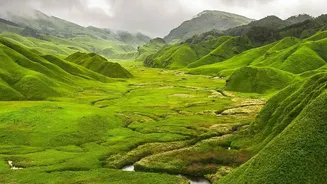
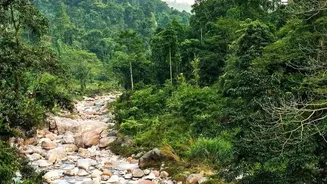
Often called the 'Valley of Flowers of the Northeast', Dzukou Valley is a trekker's dream. Straddling the border of Nagaland and Manipur, this valley of rolling hills is famous for its seasonal flowers, most notably the rare Dzükou Lily which blooms in summer. The trek to the valley can be undertaken via two main routes from near Kohima, Nagaland — a steeper trail from Zakhama or a more gradual one from Viswema. The landscape at 2,452 metres is surreal, with gentle, bamboo-covered slopes and a meandering stream. The best time to visit is from June to September for wildflowers or from October to March for clear skies and dry trails. An overnight stay at the basic guesthouse allows you to fully immerse yourself in the valley's tranquil beauty.
Loktak Lake, Manipur
Loktak Lake is the largest freshwater lake in Northeast India and presents a truly unique ecosystem. It is famous for its 'phumdis' — large, circular masses of floating vegetation, soil, and organic matter. These phumdis are so significant that the world's only floating national park, Keibul Lamjao National Park, is situated on one. This park is the last natural habitat of the endangered Sangai, or brow-antlered deer. Visitors can take a boat ride to navigate through the floating islands, observe the lives of the fishermen who live on them, and get panoramic views from Sendra Island. The best time to visit is from October to March when the weather is pleasant and migratory birds flock to the lake. An Inner Line Permit is required for Indian citizens to enter Manipur.
Gurudongmar Lake, Sikkim
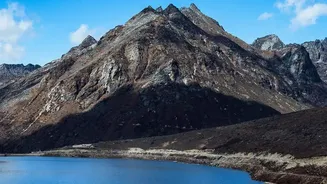
For those seeking an adventure at extreme altitudes, Gurudongmar Lake in North Sikkim is an awe-inspiring destination. Located at an elevation of about 17,800 feet, it is one of the highest lakes in the world. Surrounded by snow-capped peaks and barren, rocky terrain, the lake's crystal-clear water is considered sacred by Buddhists, Hindus, and Sikhs. Part of the lake is said to never freeze completely, even in the harshest winters. The journey is challenging, requiring acclimatization with an overnight stay in Lachen, and access is dependent on weather and road conditions. Due to its proximity to the Indo-China border, only Indian citizens are allowed to visit, and a special permit is required. The stark, dramatic landscape offers a spiritual and profoundly moving experience.