




The Familiar Chaos of Festivals
India hosts some of the world's largest religious gatherings, from the Kumbh Mela to the annual Urs of Hazrat Baba Tajuddin Auliya. These events are profound displays of faith, but they also present immense logistical hurdles. For millions of devotees,
the pilgrimage experience is often marked by uncertainty. Last-minute changes to entry points, sudden traffic diversions, and lengthy queues in unpredictable weather can cause significant confusion and distress. This chaos not only impacts the spiritual experience but also poses serious safety risks, with a history of stampedes and other tragedies underscoring the urgent need for better management. The sheer density of people makes traditional communication methods like loudspeakers and signage inadequate, leaving pilgrims feeling lost and anxious.
Introducing Digital Solutions
In response to these challenges, authorities and event organisers are increasingly turning to technology. The concept of 'ritual alerts'—delivering crucial information directly to a pilgrim's mobile phone—is at the forefront of this digital transformation. These alerts can come in various forms, including simple SMS messages, notifications from dedicated mobile apps, and updates via social media. The goal is to create a direct line of communication between organisers and attendees. For instance, the government has been testing a national-level cell broadcast system designed for instant disaster alerts, a technology that can be adapted for large-scale events to send location-specific messages in local languages without needing an internet connection.
How Alerts Can Streamline Your Journey
The practical benefits of receiving real-time information are enormous. An SMS alert can inform you that a particular bathing ghat is overcrowded and suggest an alternative, less-congested location. App notifications could provide live updates on queue waiting times for darshan, allowing you to plan your visit to the temple more effectively. These systems can also issue critical safety warnings about extreme weather, announce the location of medical tents and other amenities, or even help reunite families who have been separated in the crowd. During the Urs in Nagpur, organisers are using a dedicated mobile app to ensure police and volunteers can communicate even when regular mobile networks are congested. This constant flow of information empowers pilgrims, reduces anxiety, and allows for a safer, more organised experience.
Beyond Alerts: Integrated Pilgrim Services
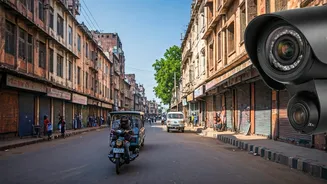
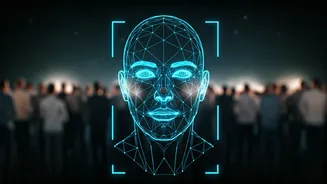
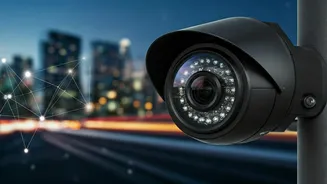
Ritual alerts are often part of a larger digital ecosystem designed to manage massive gatherings. Events like the Maha Kumbh Mela and pilgrimages to Tirumala now feature sophisticated command and control centers that use AI and thousands of CCTV cameras to monitor crowd density and flow in real-time. This data allows authorities to make proactive decisions, such as holding back crowds to prevent dangerous bottlenecks. Many events also have dedicated mobile apps that offer more than just alerts. The Maha Kumbh 2025 app, for example, includes GIS mapping, multilingual AI chatbots to answer queries, and information on transportation and accommodation. At Tirumala, an AI-powered platform has drastically reduced darshan waiting times by streamlining queue management. These integrated services show a shift from reactive crisis management to a predictive, data-driven approach to pilgrim safety and convenience.
Challenges and the Road Ahead
Despite the promise of technology, challenges remain. In a country as diverse as India, digital literacy varies widely, and not everyone owns a smartphone. Furthermore, network connectivity can be unreliable in remote pilgrimage locations. For alerts to be truly effective, they must be accessible to everyone, including the elderly and those with basic feature phones. This is why SMS, which doesn't require an internet connection, remains a crucial tool. Authorities must also ensure data privacy and build public trust in these systems. The way forward involves a multi-pronged approach: strengthening digital infrastructure, promoting public awareness about these tools, and ensuring that low-tech solutions continue to support those who are not digitally connected.