


Beyond the 'Superfood' Fad
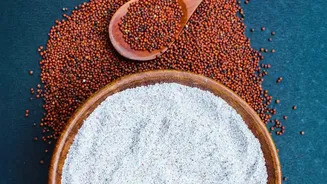
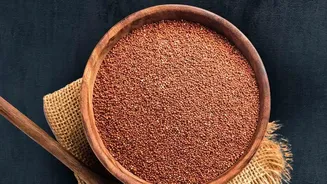
In recent years, millets like jowar, bajra, and ragi have been rebranded as 'superfoods'. They are gluten-free, rich in fibre and minerals, and have a low glycemic index, making them a popular choice for the health-conscious consumer. This nutritional
acclaim is well-deserved and has driven a welcome resurgence in their popularity, supported by initiatives like the UN's 'International Year of Millets'. However, this narrow focus on personal health eclipses the wider, more profound importance of these ancient grains. Reducing millets to a mere dietary supplement for urban consumers ignores their critical role in building a resilient future for India. Their benefits extend far beyond individual wellness, touching upon environmental sustainability, economic stability for farmers, and the preservation of our cultural identity.
A Gift for a Thirsty Planet
One of the most compelling arguments for millets is their climate-resilient nature. Unlike modern staples like rice and wheat, which are notoriously water-intensive, millets are hardy crops that thrive in arid conditions with minimal irrigation. Some studies suggest millets consume up to 70% less water than rice. For a country facing severe water stress, this is a game-changer. Furthermore, millets are less dependent on synthetic fertilizers and pesticides, as they are naturally resistant to many pests and diseases. Their deep root systems help prevent soil erosion and improve soil fertility, making them a tool for ecological restoration rather than depletion. In an era of climate change, promoting millet cultivation is a direct investment in sustainable agriculture.
Empowering India's Small Farmers
The Green Revolution, while critical for food security, pushed millets to the margins in favour of high-yield rice and wheat varieties. This shift often left small and marginal farmers, especially in rain-fed regions, at a disadvantage. For these farmers, millets are a lifeline. Their low input costs—requiring less water, fertilizer, and pesticides—make them an economically viable choice. As climate change brings more frequent droughts and erratic weather, the resilience of millets provides a crucial safety net, ensuring a more stable livelihood where other crops might fail. By creating robust markets and value chains for millets, we can directly support the economic well-being of millions of farmers who form the backbone of Indian agriculture and rural economies.
Reclaiming a Lost Culinary Heritage
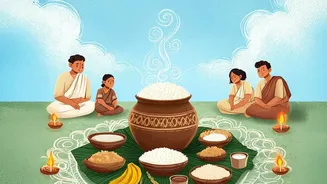
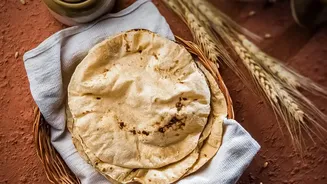
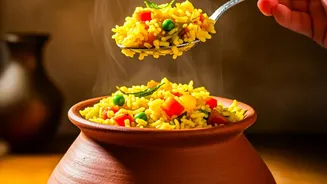
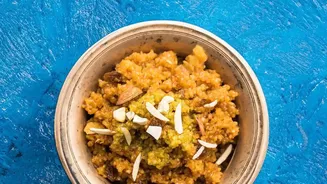
For centuries, millets were a dietary staple across India, deeply woven into our regional cuisines and cultural traditions. From ragi mudde in Karnataka to bajra roti in Rajasthan, these grains were the foundation of everyday meals. They were celebrated in festivals and rituals, symbolizing heritage and local identity. The homogenization of our diets, dominated by polished rice and refined wheat, has led to a loss of this incredible culinary diversity. Reviving millets is not just about bringing back old grains; it is about rediscovering traditional recipes, celebrating regional foodways, and preserving a rich cultural legacy that connects us to our ancestors and our land.
The Key to Future Food Security
Ultimately, the case for millets is a case for a more secure and sustainable food system. They are a powerhouse of nutrition capable of tackling malnutrition. They are a climate-smart crop that conserves precious natural resources. And they are a tool for empowering rural communities and preserving our heritage. As climate projections warn of declining yields for major cereals like wheat and rice, the genetic diversity and resilience of millets offer a vital buffer. They are not just an alternative grain but a foundational crop for achieving zero hunger, promoting sustainable agriculture, and building a food-secure nation for generations to come.