








So, What Exactly Is Rucking?
At its core, rucking is straightforward: you put weight in a backpack and go for a walk. The term comes from “rucksack,” the military name for a backpack. For decades, soldiers have rucked as a core part of their training to build endurance and strength.
Now, civilians are discovering its power as an accessible and highly effective form of exercise. It’s the perfect middle ground between walking and running — a low-impact cardio workout that simultaneously builds muscle. Unlike running, which can be hard on the knees, rucking strengthens bones and joints when done correctly, making it a sustainable activity for a wide range of ages and fitness levels.
The All-in-One Workout
Rucking’s appeal lies in its efficiency. It’s an active form of resistance training that torches calories — often up to three times as many as walking without a pack. The added weight engages your entire posterior chain: your shoulders, back, glutes, and legs all work to carry the load and propel you forward. This improves posture by strengthening the muscles that support your spine, counteracting the hours many of us spend hunched over a desk. It’s a cardiovascular workout that improves heart health and endurance, but it also builds functional strength that translates directly into everyday life, from carrying groceries to playing with your kids.
More Than Just Exercise
Perhaps the biggest reason rucking is booming as a *group* activity is its social nature. It’s “socially fitness.” Unlike a high-intensity spin class or a solo run where conversation is impossible, rucking happens at a conversational pace. You can walk, talk, and connect with friends, all while getting a serious workout. This makes it an ideal weekend activity. Instead of meeting for coffee, groups of friends are meeting for a ruck. It combines physical activity, time spent outdoors, and genuine social interaction — three things crucial for mental and physical well-being. It’s a shared challenge that builds camaraderie.
How to Get Started Safely
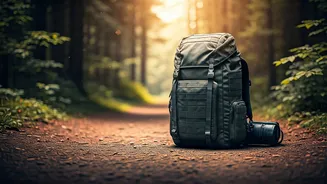
Getting started is simple, but doing it right is key. You don't need a lot of expensive gear. **1. The Backpack:** Any sturdy backpack will do for your first few rucks. A pack with a chest strap and a hip belt will help distribute the weight more comfortably as you progress. **2. The Weight:** You don’t need special weight plates. Start with what you have: wrap a few heavy books in a towel, fill water bottles, or use a bag of rice. The goal is to keep the weight stable and high up on your back, close to your shoulder blades. **3. The Load:** Start light. For your first time, aim for 5-10% of your body weight. You can gradually increase the weight as you get stronger. The biggest mistake beginners make is going too heavy, too soon. **4. The Shoes:** Wear comfortable, supportive footwear. Running shoes are fine to start, but as you increase distance and weight, you might consider trail shoes or hiking boots for better ankle support.
Finding Your Tribe
Rucking can be a solitary, meditative activity, but its growth is fueled by community. All across the world, and increasingly in Indian cities like Bengaluru, Mumbai, and Delhi, rucking clubs are forming. These groups organise regular weekend rucks in parks, on trails, and through city streets. A quick search on social media or community fitness apps can connect you with local enthusiasts. These groups are welcoming to beginners and offer a great way to stay motivated, discover new routes, and make fitness a social highlight of your week rather than a chore. It’s an adventure waiting to happen, right in your backyard.