





The Great Culinary Migration
For the longest time, the narrative of Indian dining was dominated by a handful of cities. Delhi had its Mughlai grandeur, Mumbai its coastal flavours and global outlook, and Bengaluru its pub culture and breakfast joints. These were the undisputed epicentres
of gastronomy. But a quiet and delicious revolution has been simmering, and it's now reaching a rolling boil. Cities like Jaipur, Lucknow, Chandigarh, Indore, and Coimbatore are no longer just culinary pit-stops; they are emerging as formidable dining destinations in their own right. This isn't just about the spread of big-name chains. It's a grassroots movement, often led by local entrepreneurs and chefs returning to their roots, armed with global experience and a desire to innovate. The result is a dynamic food scene that is both deeply connected to its heritage and refreshingly modern.
The New Hotspots: A Taste of the Trend
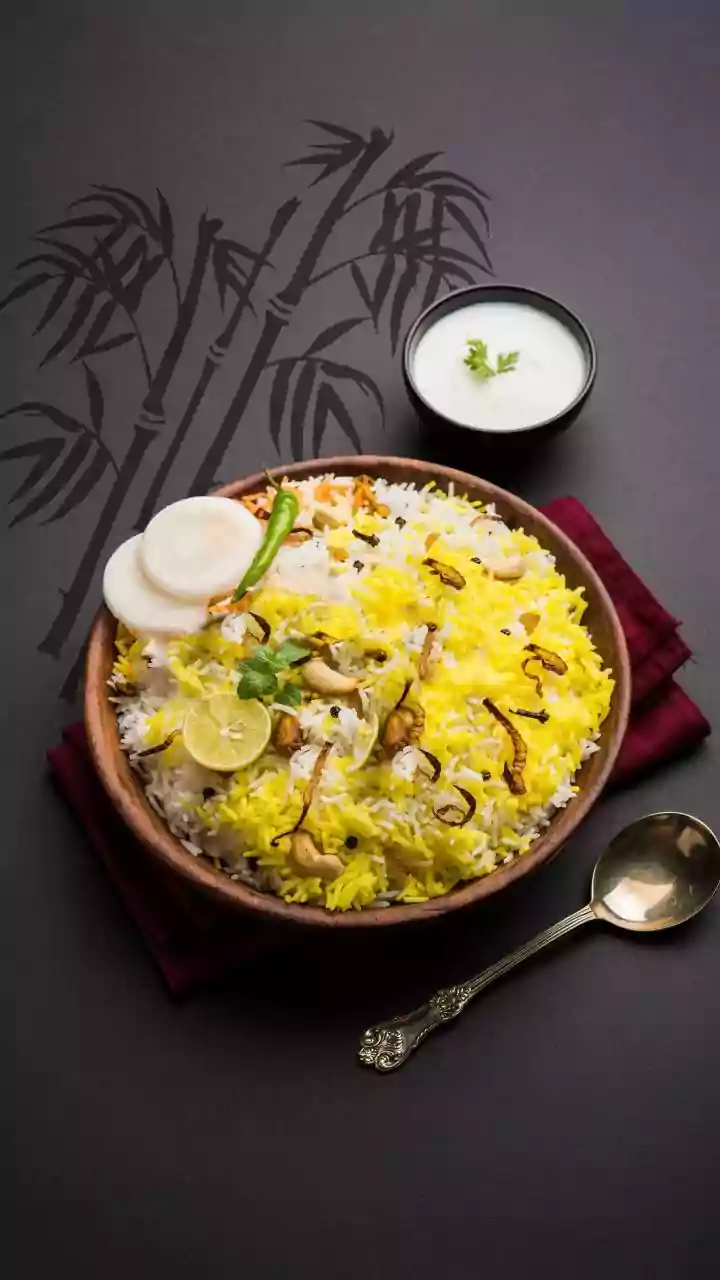
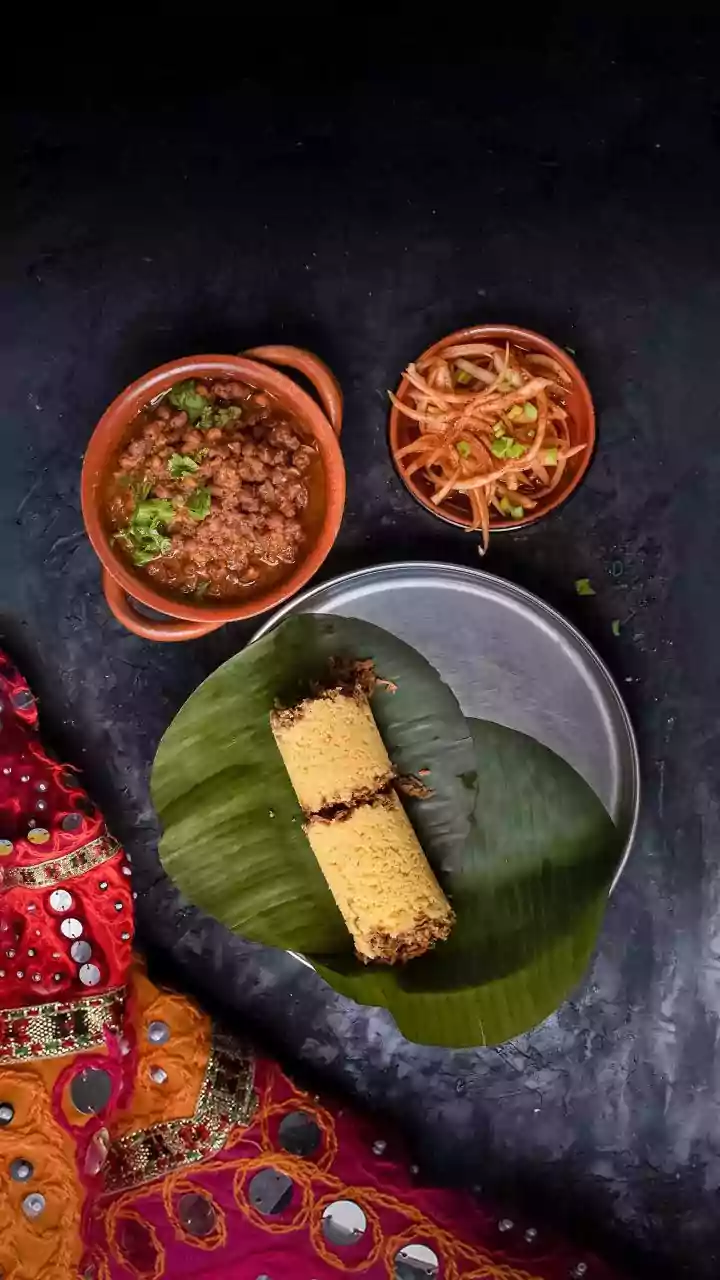
Look at Jaipur, a city once defined by tourist-centric menus of Laal Maas and Dal Baati. Today, its food scene is a fascinating mix of old and new. Alongside heritage sweet shops like LMB, you'll find a buzzing café culture and chefs reinterpreting Rajasthani micro-cuisines with surprising creativity. At some establishments, hyper-local ingredients and forgotten cooking techniques like pit-firing are making a comeback, offering a nuanced taste of the region that goes far beyond the usual suspects. Meanwhile, Chandigarh's well-planned streets are now lined with artisanal coffee roasters and chic cafes that could rival any metro. The city's youth are driving a vibrant café culture that’s about more than just coffee; it’s a space for community and conversation. In Lucknow, the story is one of evolution. While the city's legendary Tunday Kababi and Awadhi biryani remain iconic, a new generation of restaurants is presenting these classics with modern flair and creating experiential dining formats, attracting a younger, globally-aware audience. These cities are proving that a 'glow-up' means celebrating heritage while embracing innovation.
The Recipe for a Restaurant Boom
So, what's fueling this transformation? It's a perfect storm of economic and cultural shifts. A major driver is simple economics: commercial leases in Tier-2 cities can be significantly cheaper than in metros, allowing operators to break even much faster. This financial breathing room encourages experimentation. Another key ingredient is the 'reverse migration' of talent. Many chefs and hospitality professionals, some seeking a better work-life balance post-pandemic or a chance to build something of their own, are returning to their hometowns. They bring back skills and concepts that are eagerly received by an increasingly aspirational local audience. With incomes in these cities rising to near-metro levels, dining out is no longer an occasional treat but a regular lifestyle choice, especially for Gen Z and millennials. This new generation of diners is digitally savvy, follows food trends online, and is hungry for the unique, branded, and hygienic experiences they see on social media.
From Local Palates to Global Plates
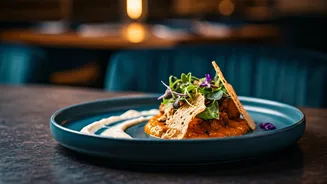
This boom is not just about bringing metro trends to smaller cities; it’s also about elevating local food traditions. In Jaipur, chefs are exploring hyper-local cuisines and serving inventive dishes that respect heritage. In Lucknow, restaurateurs are reimagining Nawabi classics for modern palates and creating fusion concepts that get people talking. The consumer in these cities is brand-aware but also value-driven, seeking aspirational dining experiences at accessible prices. They are open to trying foreign recipes and new formats, with one report noting that over 72% of consumers in these cities are receptive to international cuisines. This has created fertile ground for everything from specialty coffee and artisanal bakeries to gourmet burgers and global food trends. It's a market that rewards both authenticity and innovation, pushing chefs to be more creative.