


A Return to Our Roots
Long before polished rice and wheat became the default grains on Indian plates, millets were the bedrock of our diet. Archaeological evidence shows that grains like jowar, bajra, and ragi were cultivated across the subcontinent for millennia, dating back
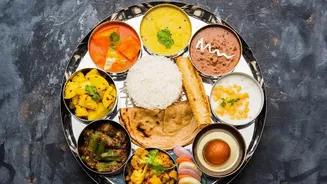
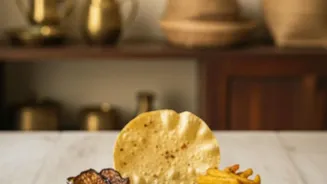
to the Indus Valley Civilization. From the humble 'ragi mudde' in Karnataka and 'bajra no rotlo' in Gujarat to the 'mandia pej' of Odisha, these grains were integral to our regional cuisines. They were the fuel for farmers and the comfort food for families, perfectly adapted to local climates. However, the Green Revolution in the mid-20th century, which prioritized high-yield varieties of wheat and rice to ensure food security, inadvertently pushed millets to the sidelines. They were often labelled 'coarse grains' or 'poor man's food', leading to a generational shift in our eating habits.
The Undeniable Nutrition Advantage
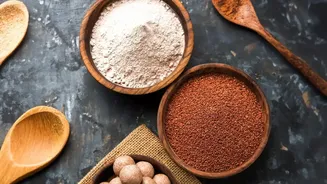
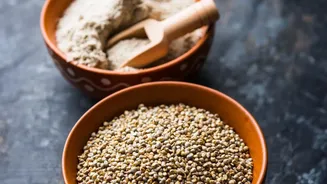
The shift away from millets came at a nutritional cost. Compared to refined white rice and wheat, millets are nutritional powerhouses. They are exceptionally rich in dietary fibre, which aids digestion and promotes a feeling of fullness, assisting in weight management. Varieties like finger millet (ragi) are loaded with calcium, containing significantly more than rice or wheat. Pearl millet (bajra) is a great source of iron. Furthermore, millets are naturally gluten-free and have a lower glycemic index, meaning they release sugar into the bloodstream more slowly. This makes them an excellent choice for managing blood sugar levels and reducing the risk of type 2 diabetes. In essence, by sidelining millets, we traded away a complex nutrient profile for mass-produced, refined carbohydrates.
Good for You, Good for the Planet
The case for millets extends beyond personal health to planetary health. These grains are famously resilient and climate-smart. They are often called 'miracle grains' because of their ability to thrive in harsh, arid conditions with very little water—a stark contrast to water-intensive crops like rice. Millets can grow in poor soil without a heavy dependence on chemical fertilizers and pesticides. This not only reduces the financial burden on farmers but also contributes to a lower carbon footprint in agriculture. By cultivating diverse millet varieties, farmers can enhance biodiversity, improve soil health, and build resilience against unpredictable weather patterns, making our food system more secure and sustainable.
Bringing Millets Back to the Kitchen
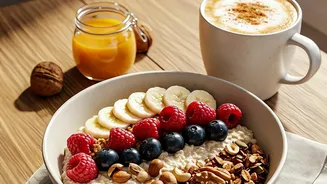
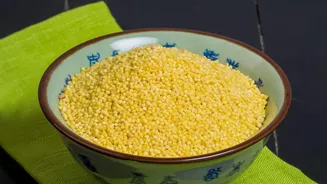
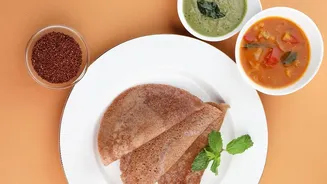
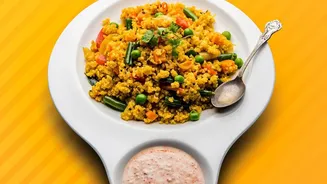
The idea of cooking with millets can be intimidating for those who grew up on rice and wheat, but it doesn't have to be. The key is to start simple. You can easily substitute rice with cooked foxtail millet or little millet in dishes like pulao, lemon rice, or khichdi. Millet flours like jowar, bajra, and ragi can be blended with wheat flour to make everyday rotis, cheelas, or dosas. Ragi flour makes excellent porridge, perfect for a nutritious breakfast. Many traditional recipes are waiting to be rediscovered, from comforting porridges to savoury flatbreads and even desserts like millet kheer or laddoos. The versatility of these grains means they can be seamlessly integrated into modern cooking without requiring a complete overhaul of your eating habits.