



More Than Just a Flatbread
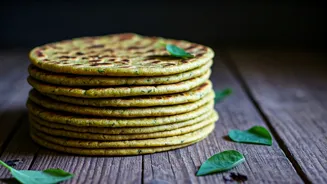
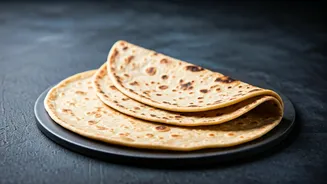
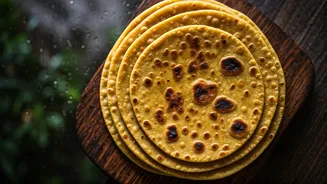
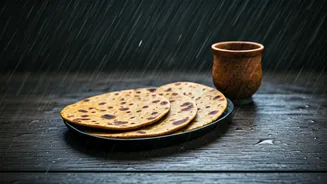
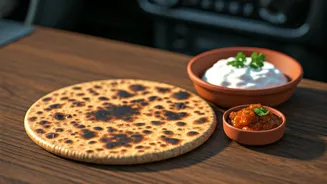
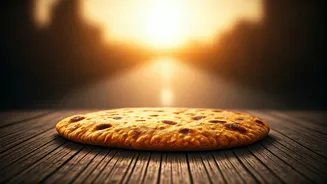
To the uninitiated, a thepla might look like a simple chapati or paratha. But this Gujarati specialty is a culinary masterpiece of practicality and flavour. Made from whole wheat flour, often mixed with gram flour (besan), and infused with fenugreek leaves
(methi) and a medley of spices like turmeric, chilli powder, and ajwain, thepla is a complete package. It’s savoury, slightly tangy, and deeply satisfying. While it originates from Gujarat, its reputation as the perfect travel food has made it a beloved staple in households across India. It represents a culinary intelligence passed down through generations, a perfect solution to the age-old problem: what to eat on the road that is both delicious and durable.
The Science of a Perfect Travel Snack
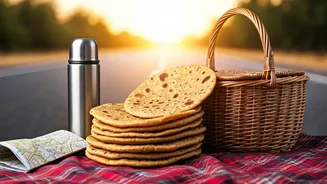
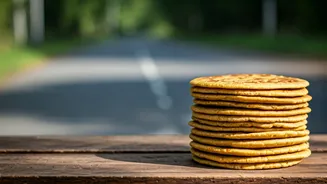
The magic of thepla lies in its impressive shelf life. But it's not magic; it’s science. Several factors contribute to its longevity. Firstly, the dough is kneaded with oil and sometimes yogurt instead of just water, which not only makes the theplas soft but also acts as a natural preservative. Secondly, they are cooked until they have a relatively low moisture content, inhibiting the growth of mould and bacteria. The spices, particularly turmeric, also have mild antimicrobial properties. This careful construction means a stack of theplas can last for several days, and sometimes even over a week, without refrigeration. It’s a self-contained meal that doesn’t crumble, doesn’t leak, and doesn’t require any special storage, making it the undisputed champion of the tiffin box.
A Taste of Home, Miles Away
Beyond its practical benefits, thepla holds a deep emotional significance. It is, quite literally, a taste of home. For students leaving for hostels, professionals moving to a new city, or families on a long train journey, opening a container of theplas is like unpacking a piece of their kitchen. Each bite is infused with the care and love of the person who made it—usually a mother or grandmother who woke up early to prepare them. In a world of fast food and airport lounges, thepla is a grounding force. It’s the comfort of a familiar flavour, a shield against the culinary uncertainty of travel. It’s the assurance that no matter how far you go, a piece of your identity travels with you.
The Ultimate Travel Companion
Thepla’s versatility is another key to its success. It’s a food for all times and all situations. It can be eaten for breakfast with a cup of hot chai on a chilly morning train. It serves as a quick, no-fuss lunch during a chaotic road trip, often paired with a sweet and sour mango pickle (chunda) or a dollop of yogurt. It’s a reliable snack to stave off hunger pangs during long layovers. It can even be a saviour for a late-night meal in a hotel room when you’re too tired to venture out. Unlike other foods that require accompaniments, a well-made thepla is delicious on its own. This self-sufficiency makes it an incredibly low-maintenance travel partner, always ready to serve, no questions asked.
From Gujarat to the Globe
The journey of the thepla hasn’t been confined to Indian highways and railways. As Indians have travelled and settled across the globe, they’ve taken this culinary gem with them. For the Indian diaspora, thepla is more than just a nostalgic food; it’s a cultural ambassador. It’s the food that gets packed in vacuum-sealed bags for children studying abroad, a delicious reminder of their roots. It appears at community picnics in London, potlucks in New Jersey, and family gatherings in Sydney. It’s a symbol of Indian resourcefulness and the enduring power of food to connect us to our heritage, no matter where we are in the world.