


The Soul of Flavour
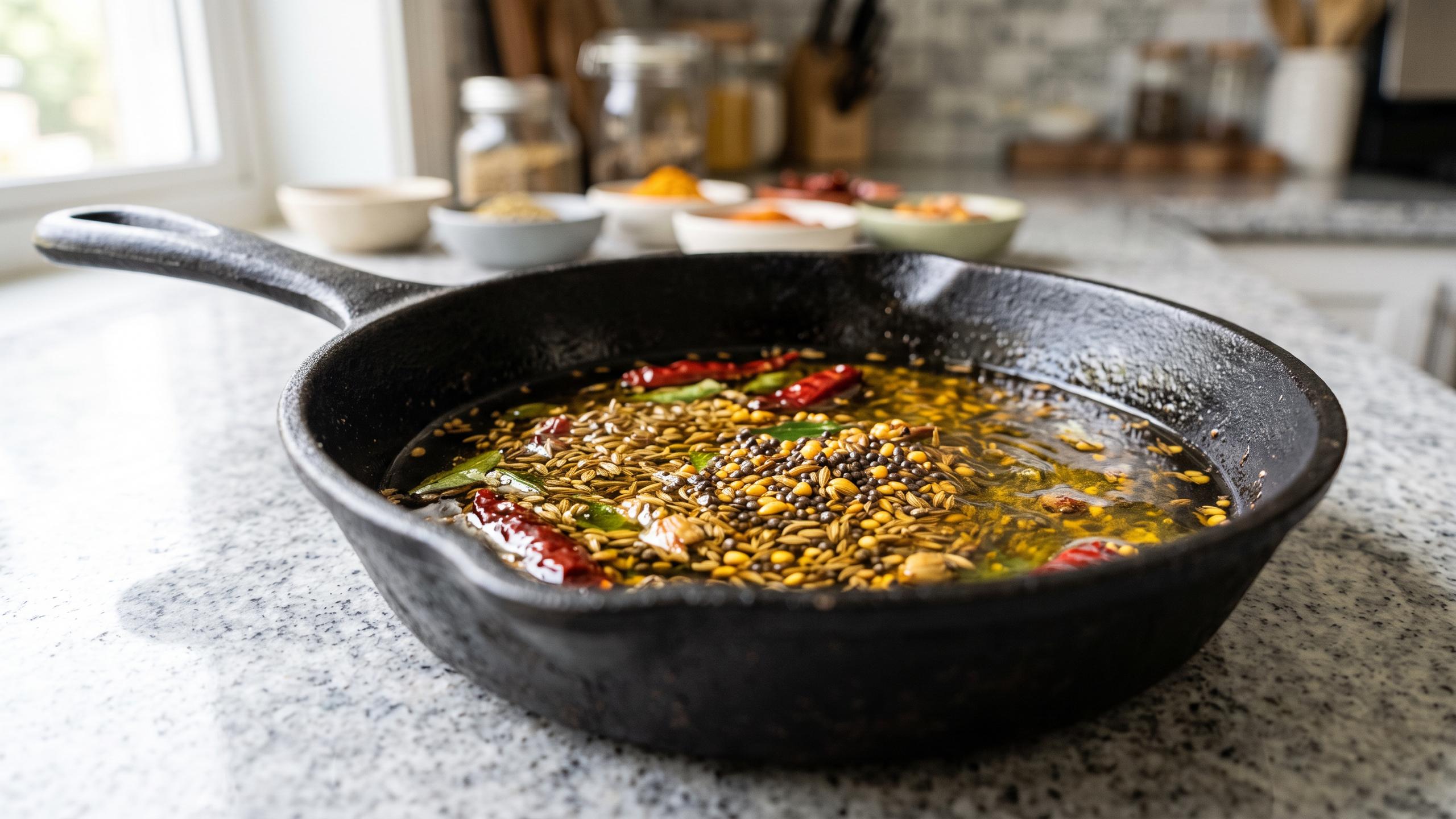
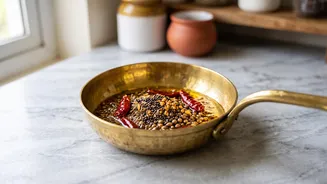
Known as tadka, chhaunk, or tempering, this technique is the foundational flavour-building block of countless Indian dishes. It involves briefly frying whole or ground spices in hot fat, like ghee or oil, before adding them to a dish. This can be done
at the very beginning to build a base or poured over the top as a final flourish. The explosive aroma that fills the kitchen isn't just for show; it's the sign of a powerful chemical reaction designed to extract and transform the very essence of the spices. This single step is often what separates a good home-cooked meal from a great one, turning a simple pot of lentils or a vegetable stir-fry into a complex, deeply aromatic experience.
The Science of the Sizzle
So what’s happening in that pan? It’s all about solubility. Most of the aromatic compounds that give spices like cumin, coriander, and cloves their distinctive character are fat-soluble, not water-soluble. This means they dissolve and express themselves far more effectively in fat than they ever could in a water-based sauce or broth. When spices hit hot oil, the heat ruptures their tough cellular walls, releasing the volatile essential oils trapped inside. The hot fat then acts as a perfect solvent, pulling out these flavour molecules and becoming an infused flavour carrier that distributes the aromatic compounds evenly throughout the entire dish. Just adding the same spices to a pot of boiling dal would leave many of those key flavours locked away.
From Raw Spice to Toasted Complexity
Heat does more than just release oils; it transforms them. The high temperatures involved in a tadka trigger chemical changes, including Maillard reactions and caramelization, which create new, deeper layers of flavour that didn't exist in the raw spice. This is similar to how searing a steak makes it taste profoundly different from raw beef. Gently toasting the spices in hot fat cooks off any raw, 'dusty' taste and mellows harsh notes while amplifying the spice's natural sweetness and nutty characteristics. However, this requires control. The window between perfectly bloomed and bitter, burnt spices can be mere seconds, especially for ground varieties which have a larger surface area and burn quickly.
A Symphony of Spices in Order
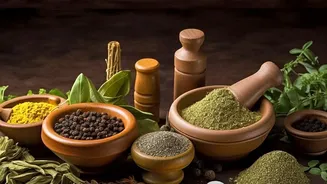
Mastering tadka also means understanding the right sequence. Different spices have different structures and burn points, so they can't all be added at once. The process is like conducting an orchestra. Hard, dense whole spices like mustard seeds and cumin seeds go in first, as they need more time for the heat to penetrate and make them pop and crackle. Next might come items like dried red chillies or curry leaves, followed by aromatics like chopped garlic or ginger. The most delicate, ground spices like turmeric or chilli powder are often added last, sometimes with the heat turned off, as their fine texture means they can scorch in an instant.
Unlocking Health Benefits
This ancient technique also has modern health implications. Many spices used in tadka—like turmeric, cumin, and mustard seeds—are packed with beneficial compounds. The process of blooming them in fat does more than just enhance flavour; it can make these nutrients more bioavailable. For instance, curcumin, the active anti-inflammatory compound in turmeric, is fat-soluble. Cooking it in ghee or oil, as is traditional in tadka, helps the body absorb it more effectively. Similarly, the fat helps your body process the fat-soluble vitamins A, D, E, and K, making the entire dish more nourishing.