




What Do 'Karat,' '22K,' and '24K' Actually Mean?
The term 'karat' (K) is a measure of gold's purity. The system is a scale out of 24 parts. So, 24K gold is the purest form you can get, containing 99.9% pure gold. It is often called '999 gold'. On the other hand, 22K gold means that 22 parts are pure gold,
while the remaining two parts consist of other metals, known as alloys. This translates to 91.67% pure gold, which is why it's often stamped with '916'. These alloys, typically copper, silver, or zinc, are not added to dilute the value but for a very practical reason: to enhance durability.
Purity vs. Durability: The Great Trade-Off
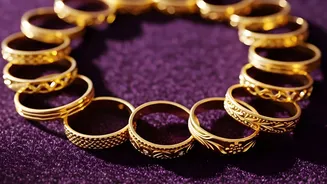
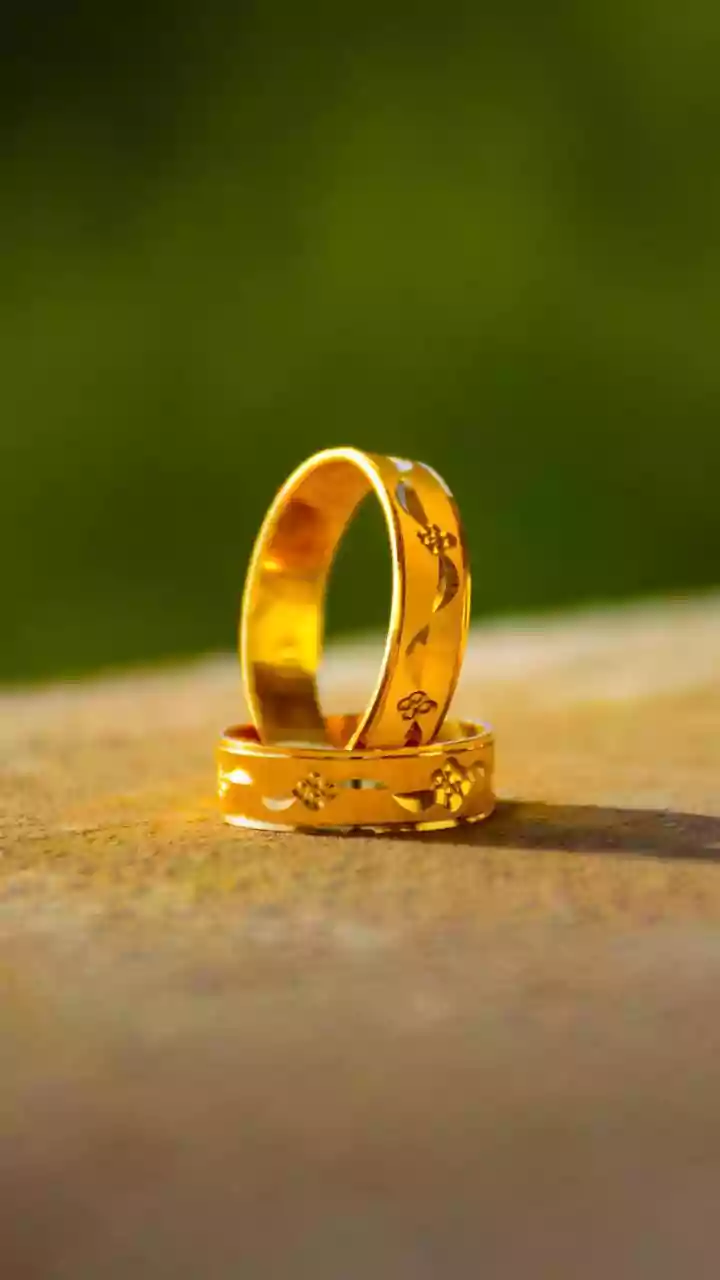
The fundamental difference between 22K and 24K gold comes down to a trade-off between purity and strength. 24K gold is pure, but it's also very soft and malleable. This softness means it can scratch, bend, and deform easily, making it impractical for most jewellery, especially pieces intended for daily wear like rings and bangles. This is where 22K gold shines. The addition of alloy metals makes 22K gold significantly harder and more durable, able to withstand the rigours of everyday life without losing its shape. This makes it the preferred choice for crafting intricate and long-lasting jewellery pieces that are popular across India.
Why 24K Gold Costs More
The price difference is straightforward: you are paying for the gold content. Since 24K gold contains more pure gold (99.9%) compared to 22K gold (91.67%), its price per gram is naturally higher. The final price of any piece of jewellery will also include making charges, which cover the craftsmanship, and GST. While the base rate for 24K gold is higher, remember that making charges can vary widely based on the complexity of the design, regardless of the karat.
Investment vs. Adornment: Which to Choose?
Your reason for buying gold should be the ultimate guide. If your primary goal is investment, 24K gold is the clear winner. It is typically sold in the form of coins or bars, has higher intrinsic value due to its purity, and tracks global market prices more directly. There are no complex making charges to consider, and its purity is globally recognized, ensuring better resale value. If you're buying gold to wear, 22K is the far more practical and popular choice. It offers an excellent balance of high purity and the necessary durability to be fashioned into beautiful, wearable art that lasts.
Don't Forget Hallmarking: Your Guarantee of Purity
Regardless of whether you choose 22K or 24K, always insist on hallmarked jewellery. In India, the Bureau of Indian Standards (BIS) hallmark is a mark of trust that certifies the purity of the gold. Since June 2021, hallmarking has been mandatory for gold jewellery in specified karats, including 14K, 18K, and 22K, to protect consumers from being sold under-karated items. The hallmark will include the BIS logo, the karat and fineness number (e.g., 22K916), and a unique identification code. This ensures you are getting exactly what you paid for.