




The Two-Tier System of Safety
For years, a stark divide has existed in the Indian Railways ecosystem. Passengers booking tickets online through the IRCTC website or app have been able to opt for travel insurance for a nominal fee, currently just 45 paise. This micro-premium provides
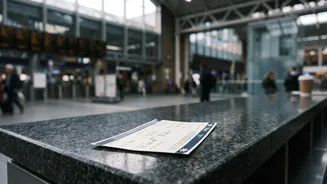
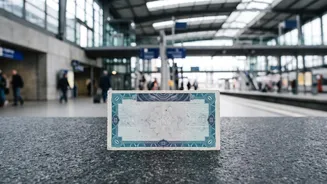
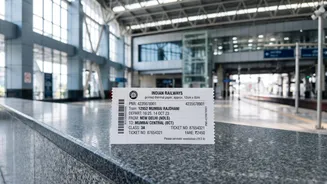
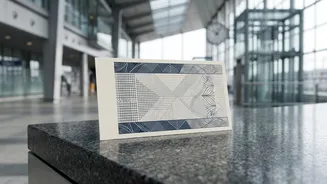
significant financial protection, with coverage of up to ₹10 lakh for accidental death or permanent total disability, and smaller amounts for partial disability and hospitalisation. However, the millions of passengers who purchase tickets from physical Passenger Reservation System (PRS) counters have been entirely excluded from this scheme. This has created a two-tier system where the method of ticket purchase dictates a passenger's access to a crucial financial safety net. This is particularly concerning as those who rely on counters are often from lower economic strata or regions with limited digital connectivity.
A Landmark Judicial Intervention
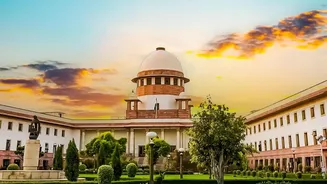
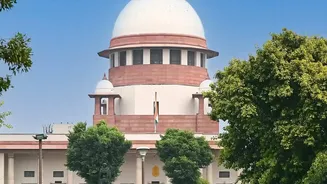
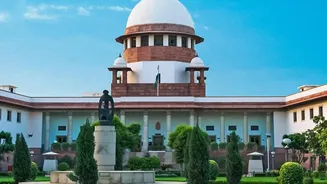
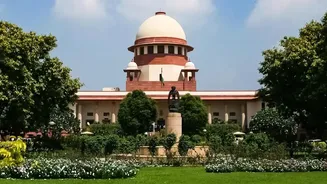
Recognising this inequity, the Supreme Court of India has intervened decisively. In an order dated October 6, 2026, a bench comprising Justices Ahsanuddin Amanullah and R. Mahadevan directed Indian Railways to extend insurance coverage to all tickets sold over the counter nationwide. The court has set a firm implementation deadline of October 27, 2026, and has stated that the Railway Board will be held directly responsible for any failure to comply. This directive came after the court noted that sufficient time had been granted for the authorities to devise a mechanism, but little progress had been made. The ruling, which arose during proceedings related to the tragic Odisha train accident in 2023, reframes passenger insurance not as a digital add-on, but as a fundamental aspect of passenger safety and welfare.
The Practical Path to Implementation
While the Supreme Court's order is a monumental step, the focus now shifts to implementation. How will Indian Railways collect a sub-rupee premium at busy ticket counters? How will policy information and nomination details, currently sent via SMS and email, be managed for offline buyers? These are not insurmountable challenges. The premium could be rounded up and included as a default component of the fare, with a clear option to opt-out, rather than opt-in. Simplified, multilingual forms could be provided at counters for collecting basic nomination details, or a system could be devised to link the PNR to a mobile number for later updates. The key is to design a process that is simple, quick, and does not place an undue burden on either the passenger or the ticketing staff. The court's mandate is clear: the same benefits must be extended in the 'same manner', which implies a seamless and non-discriminatory process.
More Than Insurance, It's About Equity
Extending insurance cover is about more than just financial compensation; it's a matter of equity. It acknowledges that a passenger's safety and access to protection should not depend on their digital literacy or access to a smartphone. As millions of Indians continue to rely on physical counters for their travel needs, denying them this basic protection creates an unjustifiable gap in the social security framework. The Supreme Court's order rightly closes this loophole, reinforcing the principle that safety measures must be universal and accessible to all citizens, regardless of how they access a public service. This move strengthens the social contract between the national transporter and its passengers, assuring every individual who boards a train that they are valued and protected. It transforms travel insurance from an overlooked add-on into an integral and inclusive part of the journey itself.