



The Allure and the Unseen Danger
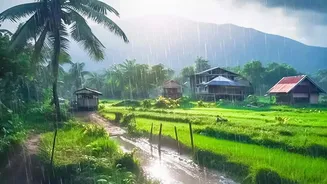
There's an undeniable magic to monsoon travel. The heat subsides, landscapes turn a vibrant emerald, and tourist spots are less crowded. It's a time for long drives, sipping hot tea while watching the rain, and experiencing nature at its most dramatic.
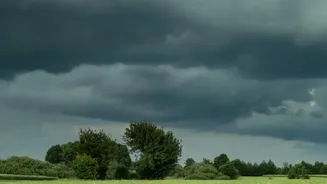
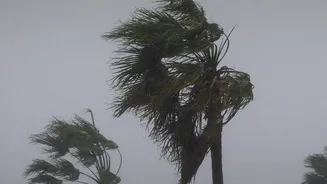
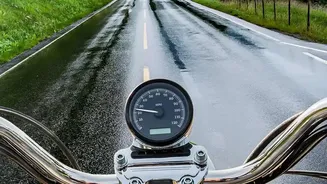
However, this same drama can be perilous. The same rains that create breathtaking waterfalls can trigger devastating landslides, especially in hilly regions. Roads can become slick and treacherous, rivers can swell into dangerous torrents, and what was a scenic route can become a trap. The romance of the monsoon is real, but so are its hazards, making preparation not just a suggestion, but a necessity.
Decoding IMD's Colour-Coded Warnings
The India Meteorological Department (IMD) is your most important travel companion during the monsoon. It uses a simple, colour-coded system to communicate the severity of expected weather. Understanding this system is the first step to safe travel. A 'Green' alert means all is well, and no advisory is in effect. A 'Yellow' alert is a call to 'Be Aware'; it signals the potential for bad weather that could cause minor disruptions and advises you to stay updated. An 'Orange' alert means 'Be Prepared' for extremely bad weather that could disrupt transport and power, and pose a risk. A 'Red' alert is the highest warning, meaning 'Take Action'. This indicates extremely severe conditions that threaten life and property, often accompanied by advice to stay indoors and follow instructions from local authorities.
Smarter Planning Before You Leave Home
A safe monsoon trip begins long before you pack your bags. Start by monitoring the IMD's forecasts for your chosen destination. If a region is consistently under Orange or Red alerts, consider safer alternatives. Many Himalayan and Western Ghats destinations, while beautiful, are prone to landslides and road closures during heavy rains. Opt for destinations in rain-shadow regions or those with better infrastructure. When booking, choose hotels with flexible cancellation policies. Pack a buffer of a day or two into your itinerary to account for potential delays from weather-disrupted travel. Your plan should be adaptable; the goal is to enjoy the monsoon, not challenge it.
Staying Safe While on the Road
Once your trip is underway, vigilance remains key. Check local weather advisories every morning before heading out. Conditions can change rapidly in the mountains. Avoid driving at night in hilly areas during heavy rain, as visibility is poor and the risk of falling debris is high. Never attempt to cross flooded roads or bridges; the force of the water can be deceptive and deadly. Respect nature and local guidelines. Stay away from overflowing rivers and restricted waterfall areas. If local authorities issue a warning or advise against travel, listen to them. Their guidance is based on real-time risk assessments. Having a flexible mindset and being willing to change your plans is crucial for a safe and stress-free journey.
The Essential Monsoon Travel Kit
Smart packing can make a world of difference. Your monsoon kit should prioritize staying dry and healthy. Pack lightweight, quick-drying synthetic clothes instead of cotton, which takes a long time to dry in high humidity. A reliable waterproof poncho or rain jacket is non-negotiable. For footwear, choose waterproof sandals or shoes with excellent grip to handle slippery surfaces. Protect your electronics, documents, and cash in waterproof bags or ziplock pouches. A well-stocked first-aid kit, including medications for common ailments, antiseptic, and mosquito repellent, is essential. Finally, a powerful power bank ensures you can stay connected and access information even if there are power outages.