

The Tale of Two Irons: Heme vs. Non-Heme
Not all dietary iron is created equal. Iron comes in two forms: heme and non-heme. Heme iron is found in animal products like meat, poultry, and seafood. Your body absorbs it quite efficiently, with absorption rates typically ranging from 15% to 35%.
Non-heme iron is the type found in plant-based foods like lentils, beans, spinach, nuts, and fortified grains. This is where things get tricky. Non-heme iron is significantly harder for your body to absorb, with bioavailability rates hovering between 2% and 20%. The reason for this difference lies in their chemical structures and how they are processed in your gut.
The Science: How Vitamin C Unlocks Iron
This is where Vitamin C, or ascorbic acid, becomes a nutritional superhero. Most non-heme iron from plants exists in a chemical state called ferric iron (Fe³⁺), which our intestines struggle to take in. Vitamin C acts as a powerful reducing agent, meaning it donates an electron to the iron molecule. This simple act converts the ferric iron (Fe³⁺) into the much more absorbable ferrous iron (Fe²⁺) state. Your intestinal lining has specific transporters that are designed to shuttle this ferrous (Fe²⁺) form into your cells and, ultimately, your bloodstream.
Furthermore, Vitamin C forms a soluble complex with iron in the stomach. This bond keeps the iron accessible as it moves into the less acidic environment of the small intestine, preventing it from binding with other compounds that would render it useless.
Fighting the Blockers: Phytates and Tannins
Plant-based foods often contain compounds that actively inhibit iron absorption. The main culprits are phytates (found in whole grains, legumes, and nuts) and polyphenols like tannins (found in tea and coffee). These compounds can bind to non-heme iron in the gut, forming insoluble complexes that your body can't absorb, sometimes reducing absorption by over 50%.
Vitamin C is a powerful ally in this fight. When consumed in the same meal, it effectively counteracts these inhibitors. By keeping the iron in its more soluble ferrous state, Vitamin C makes it much harder for phytates and tannins to lock the iron away, ensuring more is available for your body to use.
Putting It on Your Plate: Powerful Pairings
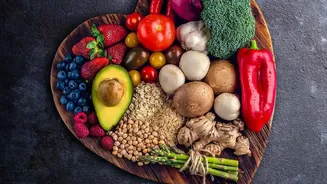
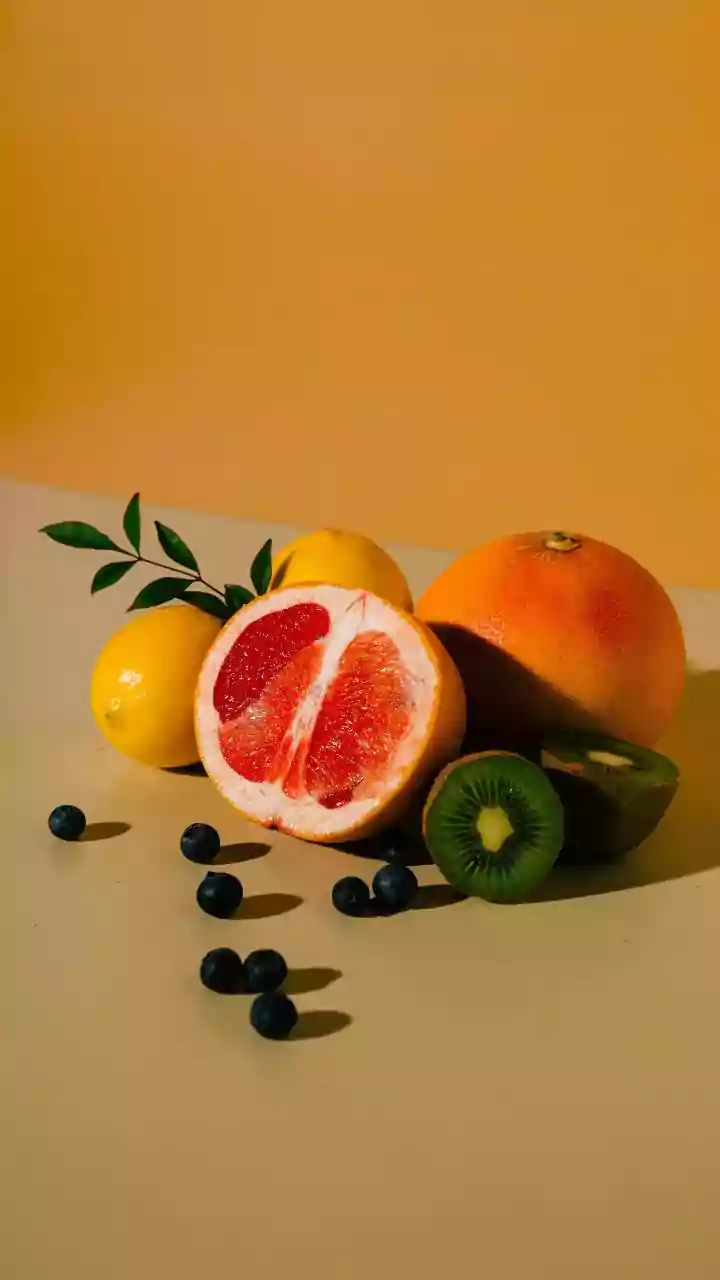
Understanding the science is one thing, but applying it is what makes the difference. The key is to consume iron-rich plant foods and Vitamin C-rich foods in the same meal. Even a modest amount of Vitamin C, around 50-100 mg, can significantly boost absorption. Here are some practical and delicious examples:
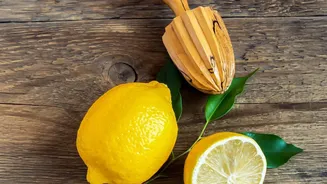
- Lentil Soup with a Squeeze of Lemon: Lentils are an iron powerhouse, and a fresh squeeze of lemon juice just before serving adds the necessary Vitamin C.
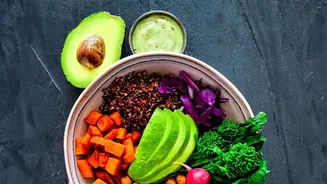
- Spinach Salad with Strawberries and Bell Peppers: While spinach contains iron, it also has absorption inhibitors. Topping your salad with red bell peppers and strawberries, both packed with Vitamin C, overcomes this hurdle.
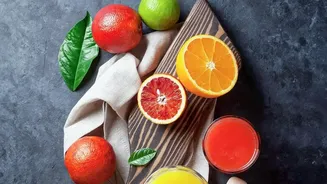
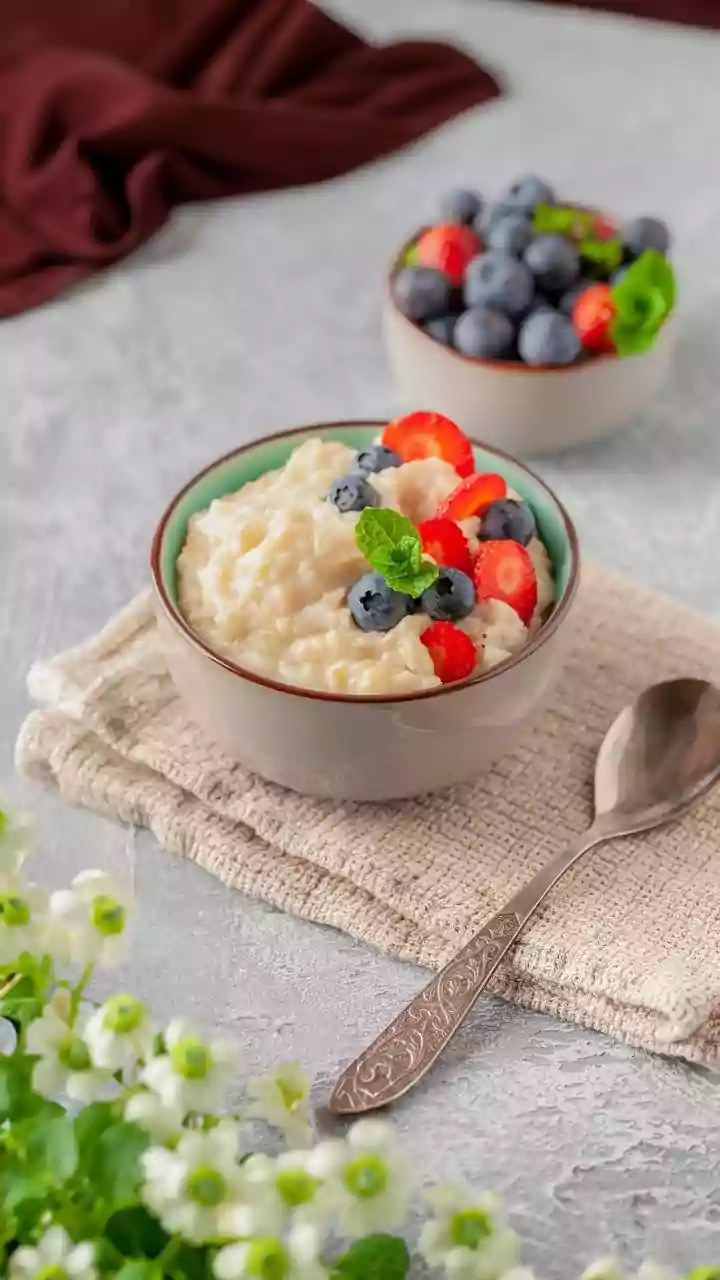
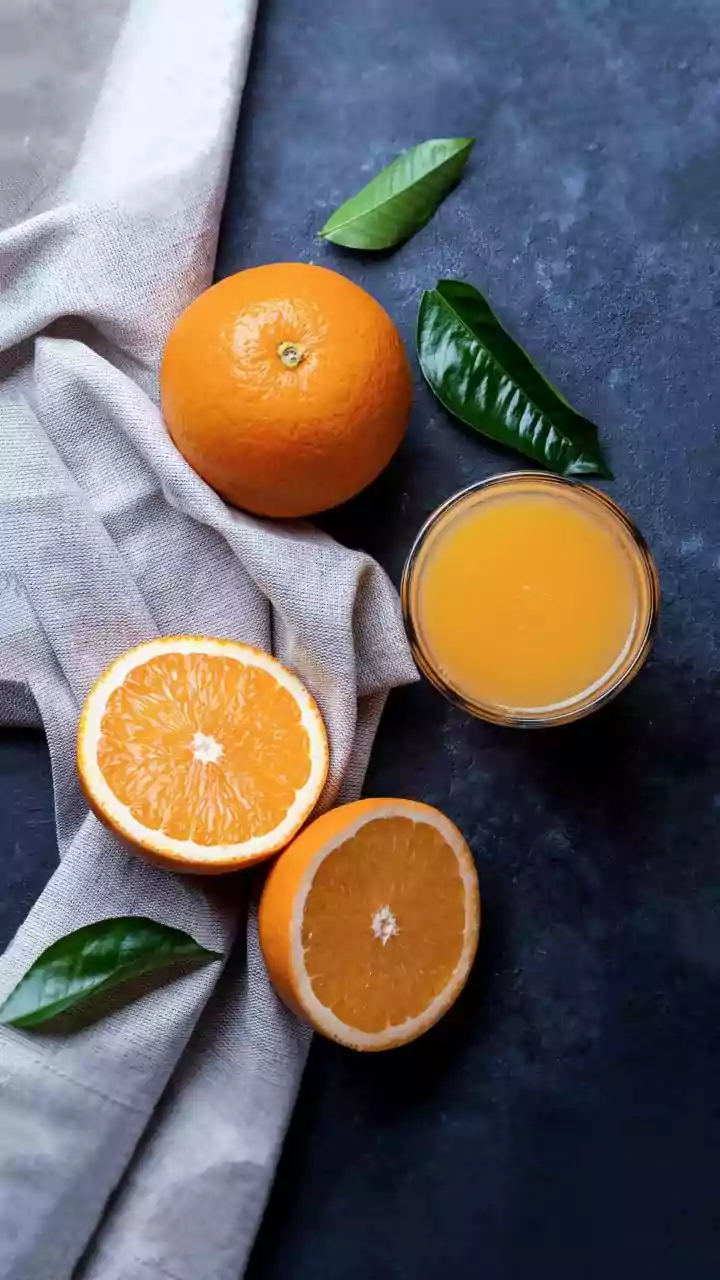
- Oatmeal with a Side of Orange: Enjoy your morning iron-fortified oatmeal with a small glass of orange juice or a handful of fresh berries to start your day with an absorption boost.
- Tofu and Broccoli Stir-fry: Tofu provides the plant-based iron, while broccoli is an excellent source of Vitamin C.
- Bean Burrito with Tomato Salsa: Beans are a fantastic iron source, and fresh tomato salsa adds a healthy dose of Vitamin C to the mix.
Timing Matters: What to Avoid with Iron-Rich Meals
Just as important as what you add is what you avoid. Because tannins in coffee and tea are such potent iron inhibitors, it's best to consume them at least an hour or two before or after your iron-rich meals. Studies show a single cup of coffee can reduce iron absorption by up to 60%. Similarly, high doses of calcium can compete with iron for absorption. If you take a calcium supplement, try to take it at a different time of day from your main iron-rich meal to maximize the benefits of both minerals.