



The Quest for Complete Protein
Protein is the essential building block for muscle. When you exercise, you create microscopic tears in your muscle fibres, and protein is what your body uses to repair them, making them stronger. Proteins are made of amino acids. While your body can produce
some of these, there are nine, known as essential amino acids, that you must get from your diet. A food source that contains all nine of these is called a 'complete protein'. Animal products like meat, eggs, and dairy are famous complete proteins, which has led to the common myth that vegetarians and vegans struggle to get what they need. However, with a little knowledge, plant-based eaters can easily meet their protein requirements.
The Power of Smart Pairing
Most plant-based foods are 'incomplete' proteins, meaning they are low in one or more of the nine essential amino acids. But this is where the strategy of 'complementary proteins' comes in. By combining two or more plant foods that have different amino acid profiles, you can create a meal that delivers all nine essential amino acids, effectively creating a complete protein. For example, legumes like lentils are typically low in the amino acid methionine, while grains like rice are low in lysine. Eaten separately, they offer some benefits, but eaten together, they fill in each other's nutritional gaps. The good news is you don't even have to eat them in the same exact meal; consuming a variety of protein sources throughout the day allows your body to pool the amino acids it needs.
Lentils and Rice: A Perfect Match
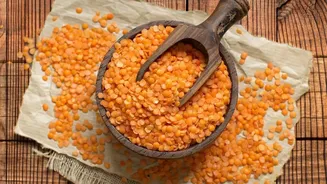
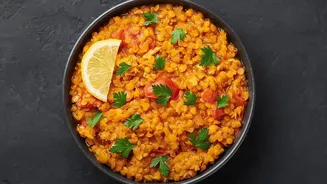
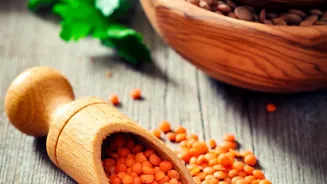
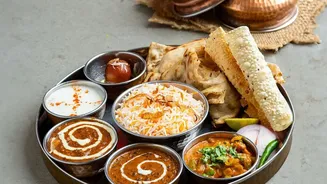
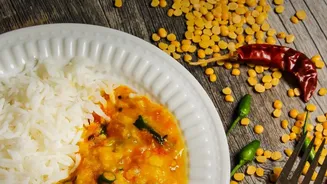
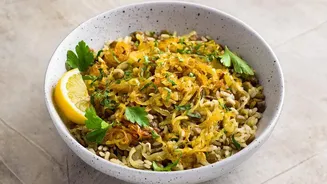
The combination of lentils and rice is a classic for a reason, celebrated in cuisines from India (dal and rice) to the Middle East. This pairing is a nutritional powerhouse. Lentils are rich in the essential amino acid lysine but lack sufficient sulphur-based amino acids like methionine. Rice, on the other hand, is low in lysine but contains the methionine that lentils are missing. When you combine them, you create a balanced amino acid profile that rivals many animal-based protein sources. A single cup of cooked lentils provides around 18 grams of protein, and when paired with rice, you get a hearty, muscle-building meal that's also rich in fibre and complex carbohydrates for sustained energy.
Adding Seeds for a Protein Boost
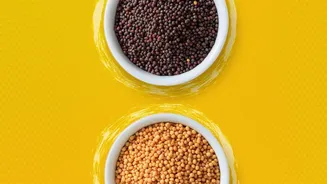
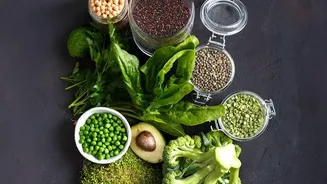
To further enhance your protein intake, don't overlook the mighty seed. Seeds like chia, hemp, and pumpkin seeds are incredibly nutrient-dense. Hemp and chia seeds are notable for being complete proteins all on their own. Sprinkling a couple of tablespoons of hemp seeds (which offer about 9 grams of protein per ounce) or chia seeds (about 5 grams per ounce) onto your lentil and rice bowl is an effortless way to boost the protein content and ensure you're getting a full spectrum of amino acids. Seeds also provide healthy fats, including omega-3s, and additional fibre, which aids digestion and helps you feel full longer.
Beyond Lentils and Rice
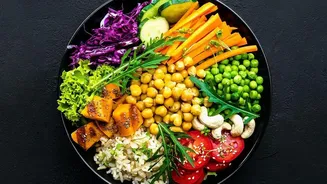
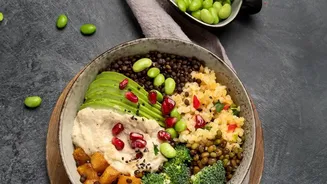
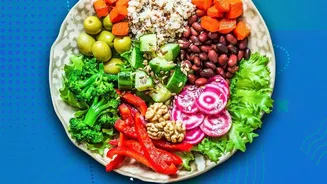
The principle of protein pairing extends far beyond a single combination. Understanding the basic food groups makes it easy to create variety in your diet. Generally, you want to pair legumes with grains, nuts, or seeds. Some other simple and effective complete protein combinations include: a peanut butter sandwich on whole-grain bread; hummus (made from chickpeas) with whole-wheat pita; a spinach salad topped with nuts and seeds; and even pasta with peas. Many plant foods like quinoa, tofu, and edamame are complete proteins on their own and serve as excellent foundations for any meal.