


The Damp Coat Dilemma
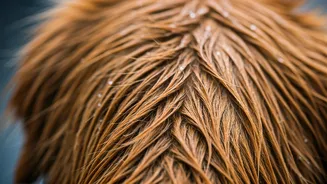
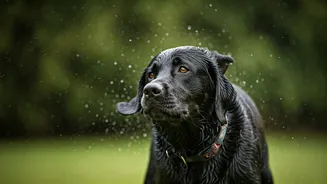
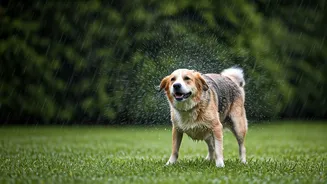
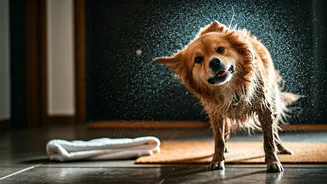
A perpetually damp coat is a breeding ground for trouble. The combination of moisture and warmth creates the perfect environment for fungal and bacterial skin infections, leading to painful hotspots, rashes, and constant itching. Even if your pet only
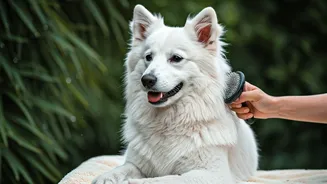
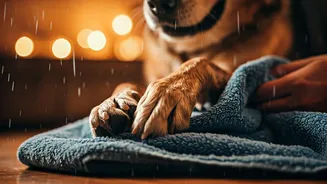
gets slightly wet on a short walk, the moisture can get trapped in their undercoat, especially in long-haired breeds. The solution is diligence. After every walk, thoroughly towel-dry your pet. For thicker coats, a blow-dryer on a low, cool setting is invaluable. Daily brushing is also non-negotiable during this season. It helps aerate the fur, removes loose hair that can trap moisture, and allows you to spot any early signs of skin irritation before they become severe problems.
Protecting Paws from Puddles
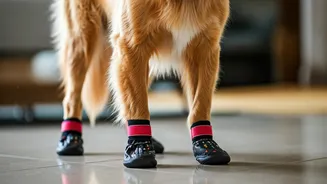
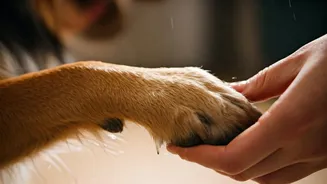
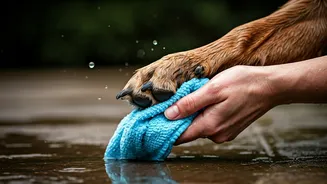
Your pet’s paws are on the front line, constantly stepping in puddles, mud, and on damp surfaces. This prolonged exposure to moisture can soften the paw pads and lead to pododermatitis, a painful inflammation of the skin on the paws. Germs and fungi from dirty water can easily cause infections between their toes. Make it a rule to wash and dry your pet’s paws after every single outing. Use lukewarm water and a gentle pet-friendly soap if they are particularly dirty. The most crucial step is drying thoroughly, paying special attention to the area between the toes and pads. You can also trim the fur around the paws to prevent it from collecting mud and water, making the cleaning and drying process much easier.
Guarding Against Ear Infections
The high humidity of the monsoon season significantly increases the risk of ear infections. The warm, moist environment inside a dog’s or cat's ear canal is ideal for yeast and bacteria to multiply. Breeds with floppy ears, like Beagles and Cocker Spaniels, are particularly susceptible. Regular ear cleaning becomes a vital part of your grooming routine. Use a vet-approved ear cleaning solution and a cotton ball (never a Q-tip, which can damage the ear canal) to gently wipe the outer part of the ear. This helps maintain a healthy pH balance and removes excess moisture and debris. Look for signs of trouble like head shaking, scratching at the ears, a bad odour, or discharge. If you notice any of these, a trip to the veterinarian is in order.
The Persistent Parasite Problem
Fleas and ticks don’t take a break during the rains; in fact, the humidity helps them thrive. These parasites are not just a nuisance—they carry diseases and can cause severe allergic reactions. While your pet’s monthly anti-tick and flea treatment is the primary defence, grooming plays a supportive role. Regular brushing and inspections allow you to catch these critters early. A fine-toothed flea comb can be used to check for fleas and flea dirt (their droppings, which look like black specks). A thorough check after walks, especially if you’ve been through grassy or wooded areas, is essential for finding and removing ticks before they can attach and transmit disease. Keeping your pet clean and their coat well-maintained makes it harder for parasites to go unnoticed.
When to Call the Professionals
While daily home grooming is essential, the monsoon might be the perfect time to schedule regular appointments with a professional groomer. They have the tools and expertise to do a more thorough job, including proper drying of dense undercoats, sanitary trims that help keep your pet clean, and expert nail clipping, which is important as pets may be less active outdoors and wear their nails down more slowly. A professional groomer can also spot issues you might miss, such as the beginning of a skin infection or matted fur that needs to be carefully removed. Think of it as a professional health check-up that complements your daily care efforts, ensuring your pet stays comfortable and healthy all season long.