

Choose Your Celestial Theatre
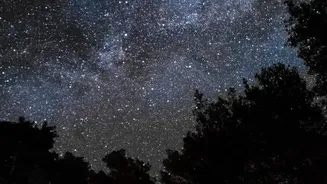
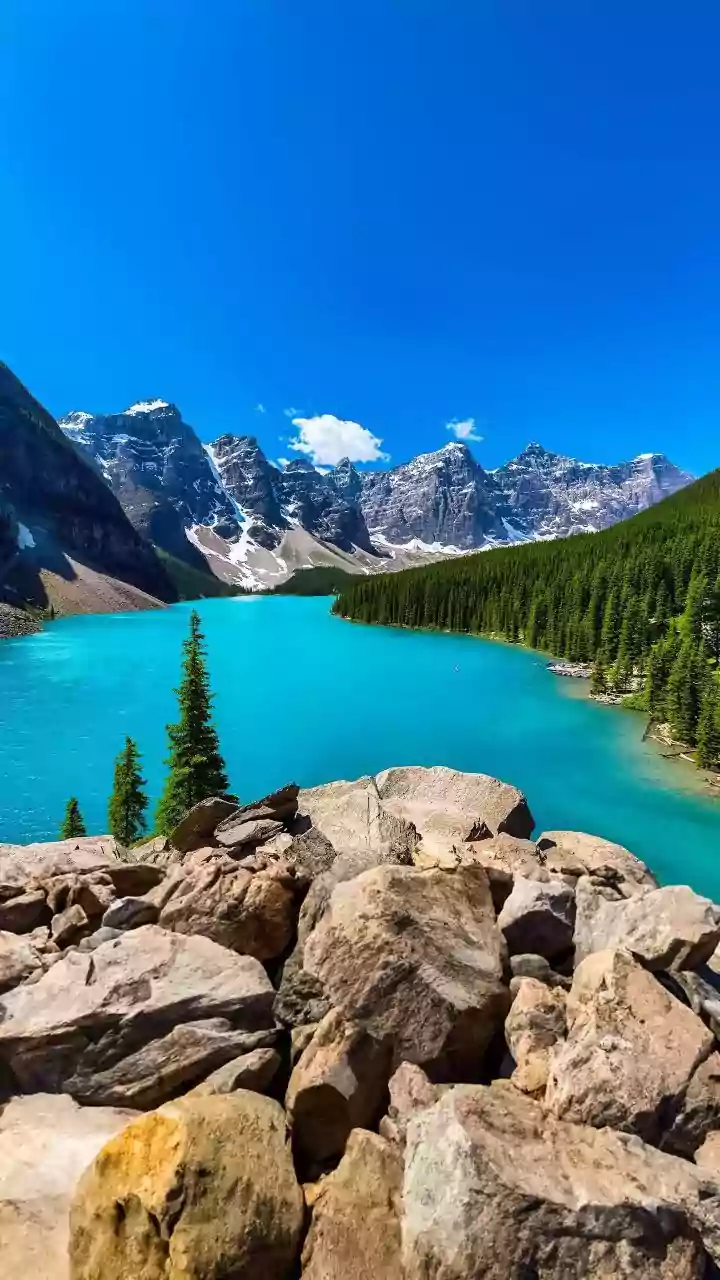
The first step is picking a location with minimal light pollution. India is blessed with several high-altitude and remote areas perfect for stargazing. The Hanle Dark Sky Reserve in Ladakh is India's premier spot, offering some of the clearest skies in Asia
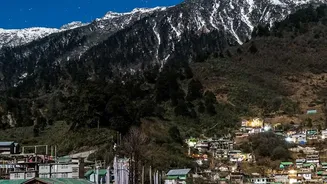
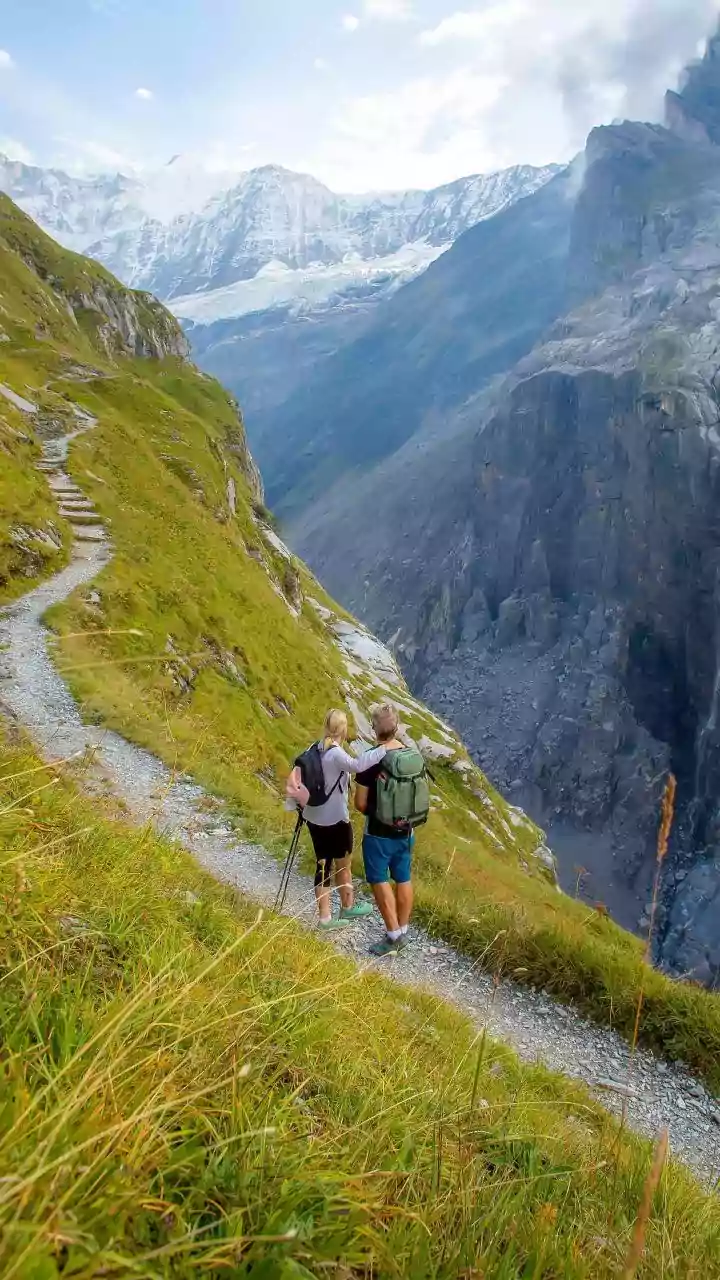
due to its altitude and dry air. Similarly, Spiti Valley in Himachal Pradesh provides stunning views from remote villages like Kibber, Komic, and Langza. For those who prefer to avoid extreme altitudes, consider Coorg in Karnataka, where coffee estates in the Western Ghats provide a dark backdrop, or the expansive salt flats of the Rann of Kutch in Gujarat, which create a surreal reflective surface for the stars. Other notable spots include Jaisalmer's desert camps in Rajasthan and Neil Island in the Andamans for a seaside stellar experience.
Time Your Trip with the Seasons
Weather is a critical factor for clear skies. For high-altitude deserts like Ladakh and Spiti, the viewing season is generally from May to September when roads are open and the weather is favourable. June and September are considered the most reliable months within this window. For most other locations across India, including Rajasthan, Coorg, and Uttarakhand, the best period is from October to March, after the monsoon has cleared the atmospheric haze and before the pre-summer heat arrives. Always check a detailed weather forecast closer to your travel dates, as mountain weather can be unpredictable.
Consult the Lunar Calendar
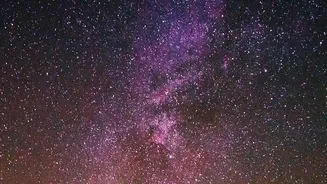
Perhaps the most crucial check for any stargazer is the phase of the moon. A full moon can wash out all but the brightest stars, reducing visibility by up to 90% and making the Milky Way completely invisible. For the darkest possible skies, plan your trip to coincide with the new moon. The five-day window surrounding the new moon date is the ideal time for observation. Many stargazing apps and websites provide lunar calendars, allowing you to plan months in advance. Even a crescent moon can be managed, as it often sets early in the evening, leaving hours of darkness for prime viewing.
Pack the Right Stargazing Kit
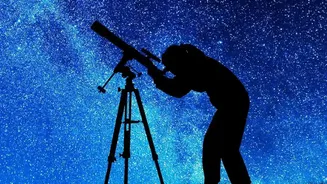
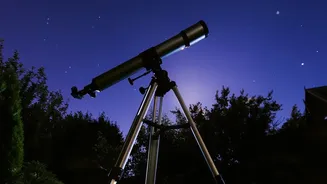
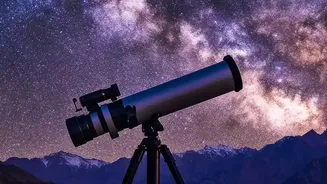
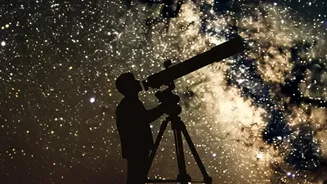
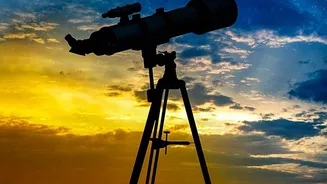
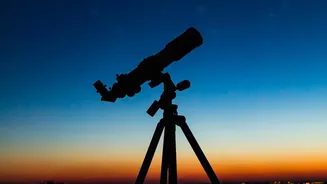
You don't need professional equipment to enjoy the night sky, but a few essentials can transform your experience. A pair of 10x50 binoculars is an excellent starting point for viewing craters on the moon, Jupiter's moons, and star clusters. A star chart or a stargazing app like Stellarium is essential for identifying constellations and planets. For navigating in the dark without ruining your night vision, a red-light headlamp is a must-have; white light from a phone or torch can reset your eyes' dark adaptation, which takes about 20-30 minutes. Finally, dress in warm layers. Even in summer, high-altitude and desert locations get extremely cold at night.
Plan for Remote Realities
True dark-sky locations are, by definition, remote. This means planning for logistics is key. In places like Hanle, foreign nationals require a Protected Area Permit, which must be arranged through a registered tour operator. High-altitude destinations like Ladakh and Spiti require at least two days of acclimatisation to prevent altitude sickness. Accommodation can range from homestays and guesthouses to desert camps; book in advance, especially during peak season. Be prepared for limited connectivity, as mobile and internet signals can be patchy or non-existent in these areas. It's also wise to carry a portable power bank, as cold temperatures can drain batteries quickly.