






The First Line of Defence
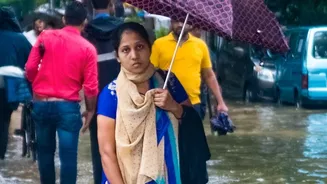
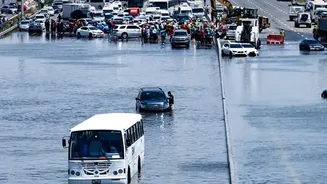
When streets in Mumbai, Chennai, or Delhi turn into canals, the immediate response is to deploy dewatering pumps. These powerful machines are designed to rapidly extract large volumes of water from low-lying areas, underpasses, and basements. Their function
is purely reactive: to remove water that the existing city infrastructure cannot handle. Municipal authorities and disaster response teams strategically place these pumps in known flood-prone spots, providing crucial, temporary relief. By preventing water from accumulating further, they help protect vital infrastructure, reduce property damage, and allow essential services to continue, albeit with difficulty. Without these pumps, the economic and social disruption caused by urban flooding would be significantly worse, making them an indispensable tool in modern crisis management.
A Costly, Reactive Cycle
However, relying on pumps is like treating a symptom rather than the underlying illness. This approach is costly, energy-intensive, and fundamentally unsustainable. Pumps require constant monitoring and a reliable power supply, which can be compromised during extreme weather events. More importantly, they do nothing to address why the flooding happened in the first place. Urban flooding is increasingly recognised as a man-made disaster, aggravated by poor urban planning. Most drainage systems in Indian cities are decades old, designed for far lower rainfall intensity and smaller populations. Mumbai's storm drains, for instance, were built in the 1860s for rainfall of about 25 mm per hour, but the city now faces downpours exceeding 100 mm per hour.
The Real Problem: Clogged and Outdated Drains
The core of the issue lies in the city's drainage network itself. Stormwater drains, meant to carry rainwater away, are often choked with solid waste, silt, and construction debris, drastically reducing their capacity. In many cities, these drains are also illegally connected to sewage lines, forcing them to carry a load they were never designed for. Furthermore, rapid and unplanned urbanisation has led to the concretisation of vast surfaces. Permeable surfaces like soil and wetlands, which naturally absorb rainwater, have been replaced by roads and buildings. Natural water bodies and floodplains that once acted as sponges have been encroached upon, leaving water with nowhere to go but onto the streets.
Designing for a Spongier Future
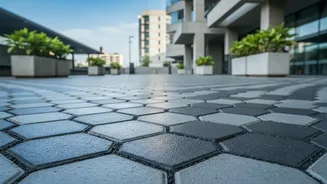
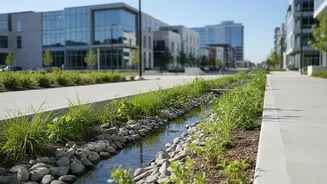
The long-term solution is a paradigm shift toward better drainage and water-sensitive urban design. This doesn't just mean building bigger drains, but creating 'sponge cities'. The sponge city concept uses a combination of green and grey infrastructure to absorb, clean, and reuse rainwater. Solutions include installing permeable pavements that allow water to seep through, creating rain gardens and bioswales to naturally filter runoff, and restoring urban lakes and wetlands to act as natural retention basins. These nature-based solutions work with water, not against it, reducing surface runoff, recharging groundwater, and building resilience against both floods and water scarcity.
The Path to a Flood-Resilient India
Upgrading India's urban drainage is a monumental task. It requires significant investment, strong political will, and coordinated action among multiple municipal agencies that often work in silos. In late 2024, the Indian government announced an investment of nearly $300 million to mitigate floods by building drains and expanding water bodies in seven major cities, a significant step in the right direction. However, experts argue that this must be coupled with strict enforcement of land-use regulations to protect remaining wetlands and floodplains. Integrating modern technology like real-time flood mapping and early warning systems is also crucial. Ultimately, tackling urban floods requires moving from a reactive, pump-based approach to a proactive strategy that redesigns our cities to live in harmony with water.