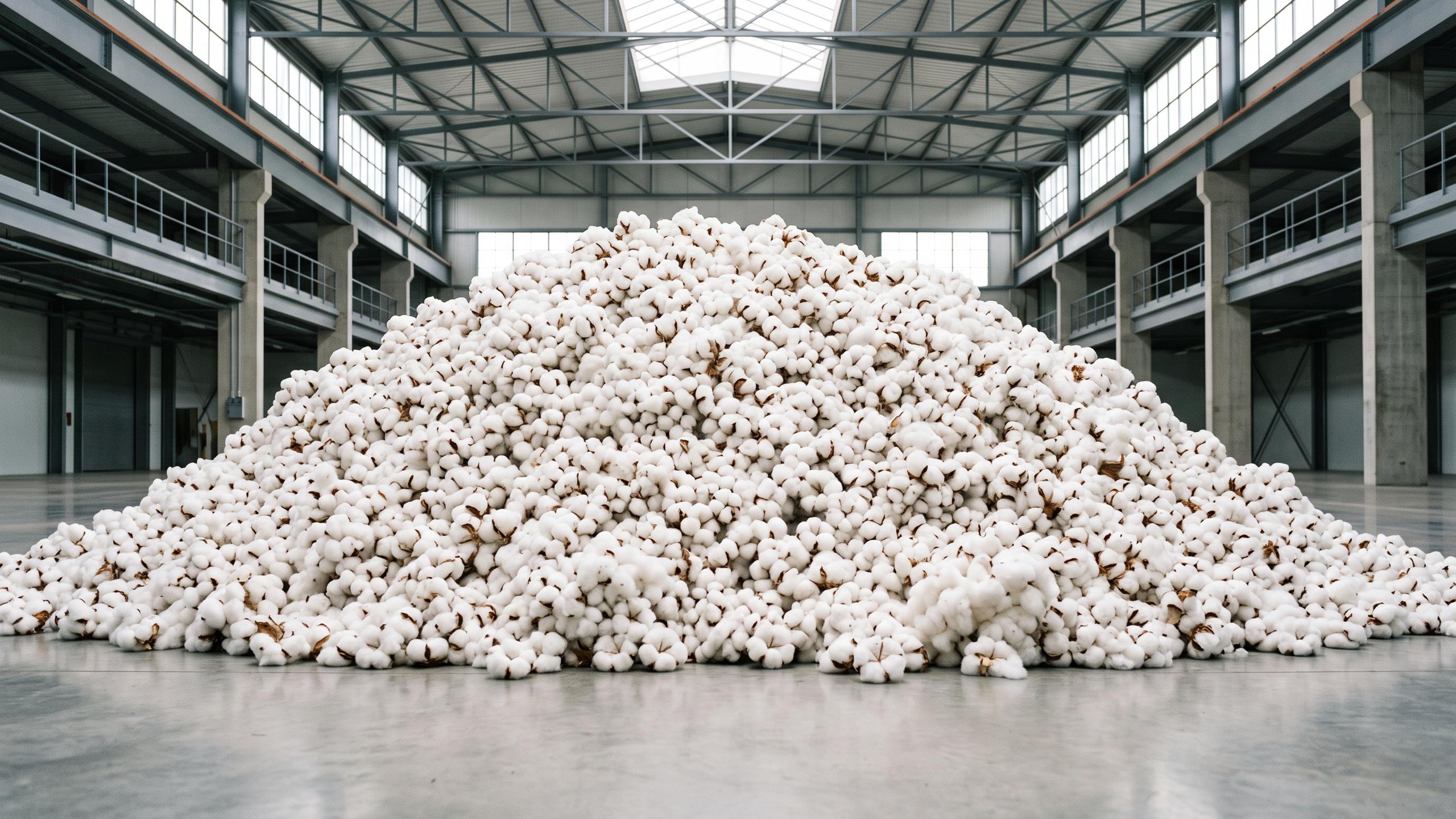








Have you noticed the price tag on a simple cotton shirt creeping up? The reason is often more complex than general inflation, tied directly to government policies on a single, crucial commodity: raw cotton.
The Heart of the Matter: The 11% Duty
The core of the issue for India's massive textile
and apparel industry has been an 11% import duty on raw cotton. This tax, which combines a Basic Customs Duty and an Agriculture Infrastructure and Development Cess, is applied to cotton imported from other countries. India is one of the world's largest producers of cotton, but its textile mills often need to import specific grades of fibre to meet the quality demands of international brands or to bridge domestic supply shortfalls. The 11% duty makes these essential imports more expensive from the very first step. This cost doesn't just vanish; it begins a journey down the supply chain, accumulating at each stage.
A Policy Tug-of-War
The import duty exists in a constant state of policy tension. On one hand, the government uses it as a tool to protect domestic cotton farmers, ensuring that a flood of cheap imports doesn't depress local prices. On the other, the textile industry, a major employer and exporter, argues that the duty makes it less competitive against rivals in countries like Bangladesh and Vietnam, who often enjoy duty-free access to international cotton. In response to industry pressure and rising raw material prices, the government has periodically suspended the duty. For instance, the duty was waived from June 1 to October 31, 2026, to ease pressure on mills during a period of tight supply. As of late October 2026, the industry is advocating for another extension as domestic cotton production for 2026-27 is expected to be lower than demand.
From Raw Fibre to Fabric
When spinning mills have to pay more for raw cotton—either because of the import duty or a domestic shortfall—they have no choice but to pass that cost on. The first stop is yarn. Cotton yarn prices saw a significant increase through 2026, with some reports noting a jump from around ₹250 to ₹400 per kilogram by September. This higher yarn price is then passed to the next stage: the weavers and knitters who create fabric. They, in turn, increase their prices to cover the more expensive yarn. A surge in fabric prices was noted in the months leading up to the duty suspension in June 2026, highlighting the direct link between cotton costs and fabric costs. Every metre of fabric now holds a fraction of that initial cost increase.
The Final Stop: Your Wardrobe
By the time the finished fabric reaches an apparel brand or garment manufacturer, the cost has already been inflated. These brands face a difficult choice. They can absorb the higher cost, which eats into their profit margins, or they can pass it on to the final consumer. In a competitive market, most brands attempt a mix of both. They may try to engineer costs down by simplifying designs or using different material blends. However, for 100% cotton garments, there is little room to hide. The result is a higher price on the tag for everything from tshirts and jeans to kurtas and home textiles. This inflationary pressure means that a regulatory decision made months ago directly impacts your purchasing power at the checkout counter today.