



1. Lentils (Dal): The Protein Powerhouse
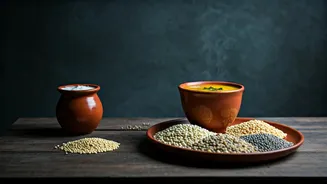
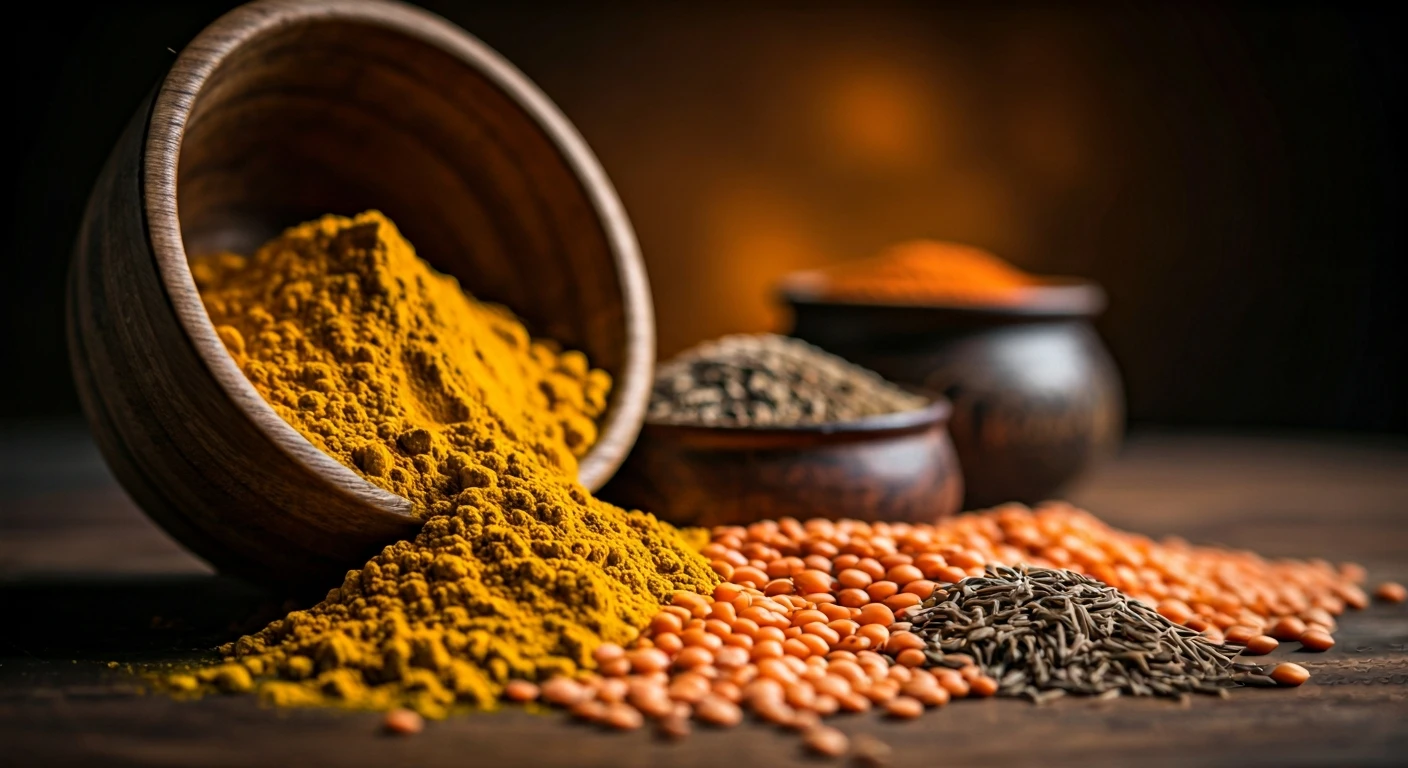
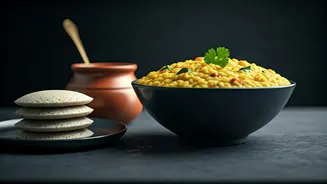
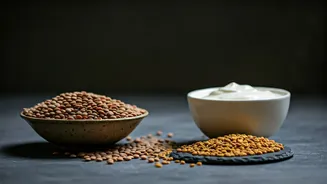
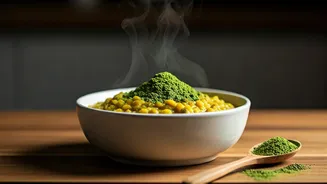
Dal is more than just comfort food; it's a nutritional cornerstone of the Indian diet for good reason. Whether it's toor, masoor, moong, or chana dal, lentils are packed with plant-based protein, which is essential for muscle repair, immune function,
and overall body maintenance. For vegetarians and vegans, they are an indispensable source of this crucial macronutrient. Beyond protein, lentils are incredibly rich in dietary fibre. This fibre comes in two forms: soluble and insoluble. Soluble fibre helps lower blood cholesterol levels and stabilise blood sugar, making it particularly beneficial for heart health and managing diabetes. Insoluble fibre aids digestion and promotes regular bowel movements, contributing to a healthy gut. This combination of protein and fibre makes dal incredibly satiating, meaning a small bowl can keep you feeling full and satisfied for longer, helping to prevent overeating and manage weight effectively. They are also a great source of essential minerals like iron, magnesium, and folate, which are vital for energy production and preventing anaemia.
2. Yogurt (Dahi): The Gut Guardian
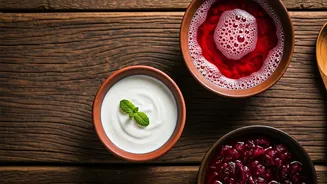
A cooling bowl of dahi on a hot day is a simple pleasure, but its benefits go far beyond taste and texture. Homemade or store-bought plain yogurt is a fantastic source of probiotics—live bacteria and yeasts that are good for your digestive system. These 'good' bacteria help maintain a healthy balance in your gut microbiome, which is increasingly linked to everything from improved digestion and a stronger immune system to better mental health. Regularly consuming yogurt can help soothe an inflamed digestive tract, reduce the incidence of antibiotic-associated diarrhoea, and ease symptoms of irritable bowel syndrome (IBS). Furthermore, dahi is an excellent source of calcium, which is crucial for strong bones and teeth. The live cultures in yogurt can also enhance the absorption of other nutrients from your meal. You can incorporate it easily as a side dish (raita), a marinade for tenderising meats and paneer, or a base for a refreshing lassi. Just be mindful of a Garnish sugar to keep its health benefits intact.
3. Fenugreek (Methi): The Blood Sugar Balancer
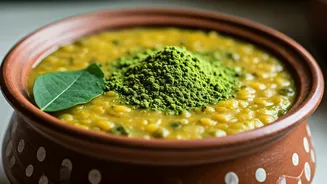
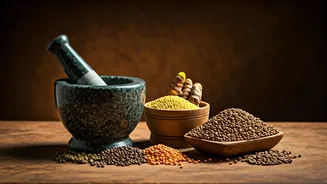
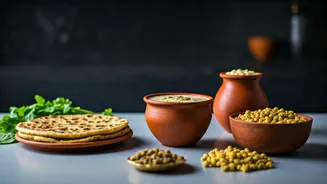
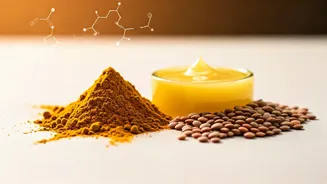
Fenugreek, used as both fresh leaves (methi) and dried seeds (methi dana), is a flavourful ingredient with impressive medicinal properties. The seeds, in particular, have been studied extensively for their positive effects on metabolic health. They contain a high amount of soluble fibre, specifically a compound called galactomannan, which slows down the absorption of sugar in the intestine. This helps prevent sharp spikes in blood glucose levels after a meal, making it a valuable dietary addition for individuals with or at risk of type 2 diabetes. Several studies have shown that regular consumption of fenugreek seeds can help lower fasting blood sugar and improve glucose tolerance. Beyond blood sugar control, the fibre in fenugreek also binds to cholesterol in the digestive system, helping to reduce LDL ('bad') cholesterol levels. The seeds can be soaked overnight and consumed with water in the morning, or added to tadkas for dals and curries. The leaves are a rich source of iron and Vitamin C and make a delicious addition to parathas, sabzis, and dals, adding a unique, slightly bitter flavour profile that beautifully complements other spices.