


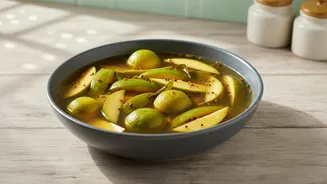

Why Your Gut Needs Extra Care During Monsoon
The shift in season from scorching summer to damp monsoon brings a change not just in the weather, but within our bodies. In India, this period is often associated with a rise in digestive complaints, from bloating and indigestion to more serious infections.
The increased humidity in the air can slow down our digestive process, and the risk of water-borne and food-borne pathogens increases, putting our gastrointestinal system under threat. This makes strengthening our gut's natural defences particularly crucial. A healthy gut is the first line of defence against invading microbes, and maintaining its balance is key to overall wellness during these months.
The Ancient Science of Fermentation
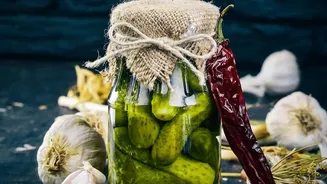
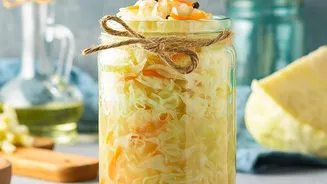
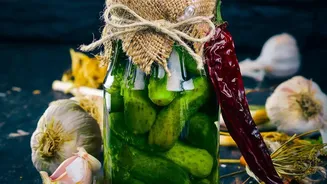
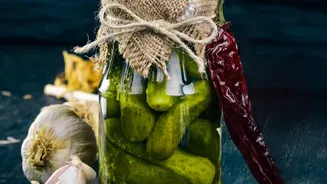
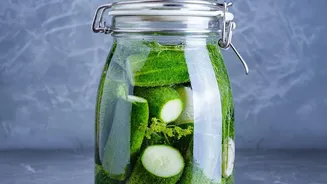
Long before refrigeration, our ancestors mastered preservation through fermentation, and the traditional Indian pickle is a prime example. Unlike modern pickles soaked in vinegar, authentic homemade pickles undergo lacto-fermentation. This process uses salt to inhibit harmful bacteria while allowing beneficial bacteria, mainly from the Lactobacillus family, to thrive. These microorganisms feed on the natural sugars in the vegetables, converting them into lactic acid. This acid not only preserves the food but also infuses it with a complex, tangy flavour and a host of health benefits.
Meet the Probiotics in Your Pickle Jar
The "gut-friendly bacteria" are probiotics: live microorganisms that provide health benefits when consumed. The Lactobacillus bacteria in your homemade pickle jar are powerful probiotics. When you eat these pickles, you introduce these beneficial microbes into your digestive tract, where they join the community of trillions of other microbes known as the gut microbiome. A diverse and balanced microbiome is essential for proper digestion, nutrient absorption, and a robust immune system. By reinforcing your gut with these good bacteria, you are better equipped to fight off the pathogens that are more prevalent during the monsoon.
The Crucial Difference: Homemade vs. Store-Bought
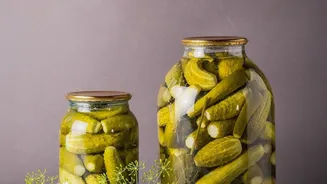
It is important to understand that not all pickles are created equal. The vast majority of commercially produced pickles on supermarket shelves are pasteurized, meaning they were heated to high temperatures to extend their shelf life. Unfortunately, this process kills all bacteria, including the beneficial probiotics. As a result, these shelf-stable pickles offer flavour but none of the probiotic benefits. The real magic lies in unpasteurized, naturally fermented pickles—the kind traditionally made at home or sourced from local vendors who sell 'live' foods. These are teeming with the beneficial bacteria your gut needs.
A Spoonful of Wellness Every Day
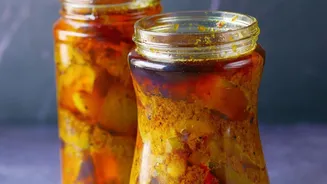
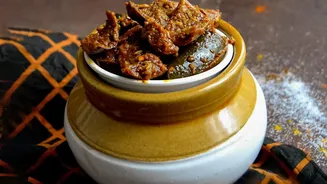
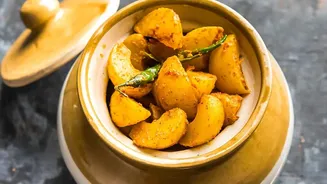
Incorporating these probiotic powerhouses into your diet is simple. A small spoonful of homemade lemon, mango, amla, or mixed vegetable pickle with your meals is all it takes. It acts as a flavourful condiment that enhances your food while working to improve your gut health. The spices often used, like turmeric, fenugreek, and mustard seeds, also offer their own antioxidant and digestive benefits. The key is moderation; since pickles are high in salt, they should be consumed as a condiment, not a main dish. By embracing this age-old culinary tradition, you are leveraging generations of wisdom to navigate the health challenges of the monsoon season.