







The New Rules of Travel
Gone are the days when a vacation was a passive affair, a checklist of monuments and museums. Today's travellers, particularly younger generations, are driven by a desire for connection and meaning. Recent travel reports show a clear pivot towards experiences
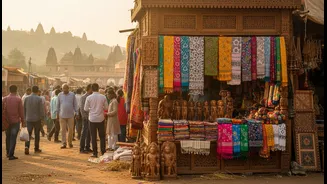
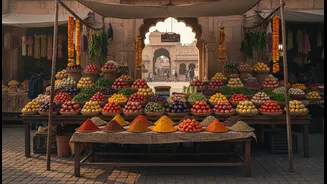
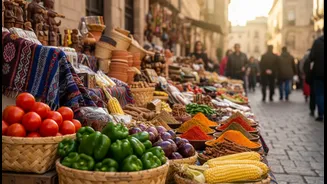
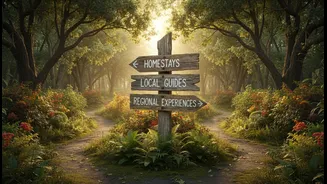
over mere sightseeing. This means swapping a generic hotel buffet for a local cooking class, choosing a heritage walk with a resident storyteller over a bus tour, or staying in a family-run homestay that offers a real glimpse into daily life. This trend, often called experiential or immersive travel, is about participation, not observation. Travellers want to understand the story behind their food, meet the artisans who create local crafts, and explore hidden gems that don't feature in every guidebook. Reports from 2026 indicate that a majority of global travellers now seek these authentic, local experiences.
Why Authenticity Is the New Luxury
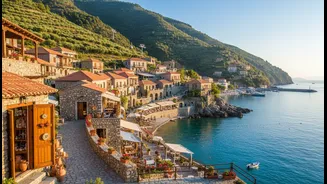
Several factors are fuelling this global shift. The post-pandemic world has left many with a hunger for genuine human connection. Furthermore, the rise of social media has, paradoxically, created a demand for experiences that feel unique and personal, moving beyond staged photo opportunities. There's also a growing consciousness around sustainability; travellers are increasingly aware of their impact and want to ensure their money supports local communities directly. This has led to the rise of 'slow travel,' a philosophy that encourages longer stays in one place to foster deeper connections and reduce environmental footprints. Instead of a rushed, multi-city tour, travellers are opting for more mindful journeys that offer rest, learning, and a sense of contribution.
The Economic Ripple Effect
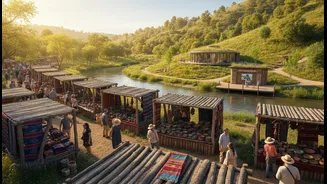
When a tourist hires a local guide, eats at a neighbourhood restaurant, or buys directly from an artisan, the economic impact is profound. This model, often called community-based tourism, ensures that a significant portion of tourist spending stays within the local economy. This creates a powerful ripple effect. The homestay owner buys produce from a local farmer, the guide hires a local driver, and the artisan sources materials from nearby suppliers. This generates more diverse and resilient local employment compared to large, all-inclusive resorts where profits are often repatriated by foreign companies. Studies show this approach not only boosts household incomes but also reduces the migration of young people from villages to cities in search of work. By empowering locals, especially women, to become entrepreneurs, it fosters sustainable economic development from the ground up.
India’s Moment to Shine
India, with its incredible diversity of cultures, cuisines, landscapes, and traditions, is perfectly positioned to capitalize on this trend. The experiential travel market in India is projected to be a multi-billion dollar industry, driven by travellers seeking cultural immersion. Tourism is already a massive contributor to India's GDP and employment, supporting tens of millions of jobs. The shift towards local experiences can decentralise this economic engine, moving its benefits beyond traditional tourist hubs and into rural and semi-urban areas. Recognising this potential, government initiatives are focusing on developing infrastructure for niche tourism circuits, such as spiritual paths and heritage trails, and providing financial support for ventures like homestays. This strategic focus aims to build a tourism economy that is more resilient, locally anchored, and valuable.