







The Peak of the Monsoon
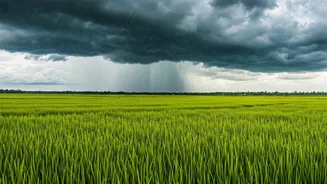
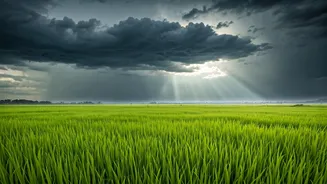
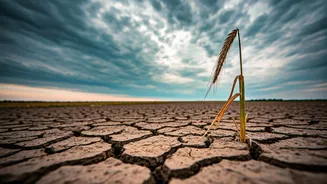
July is when the southwest monsoon, which provides about 75% of India's annual rainfall, should be at its most powerful and widespread. This period is crucial for charging reservoirs, replenishing groundwater, and providing the soil moisture necessary
for sowing and early crop growth. A strong and evenly distributed rainfall in July sets a positive foundation for the entire Kharif season. Conversely, a delay or deficit, as seen in June 2026 which experienced a significant shortfall, can create immense pressure. While June's rainfall helps prepare the ground, it is the sustained downpour in July that truly determines the health and trajectory of the season's crops.
A Critical Sowing Window
For many of India's most important Kharif crops, July represents a critical and often narrow window for sowing. Crops such as rice (paddy), maize, soybean, and cotton are typically planted in June and July to align with the monsoon's arrival. Missing this window can have significant consequences. Late sowing often leads to reduced yields, as the crop's growth cycle is not optimally aligned with the weather patterns. For example, some pulse crops like green gram (moong) and black gram (urad) have a very short sowing period in early June; a delayed monsoon means farmers might miss cultivating them altogether, forcing a shift to other crops like soybean.
What's at Stake? Key Crops
The Kharif season is the backbone of India's food supply, and the crops sown during this period are vital for both consumption and industry. Rice, the primary staple for a majority of the population, is heavily dependent on the water-logged conditions created by July's rains. Other major crops include cotton, which fuels the textile industry; oilseeds like soybean and groundnut, which are crucial for edible oil production; and various pulses that are a key source of protein. Sugarcane is another important Kharif crop. A successful July sowing for these crops is essential for ensuring food security and supplying raw materials to key sectors of the economy.
The 2026 Season: A Slow Start
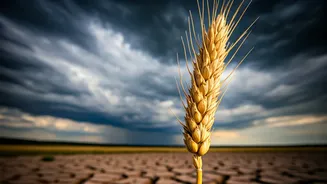
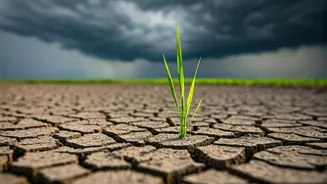
The 2026 Kharif season has begun on a worrying note. A delayed and deficient monsoon in June has resulted in a significant lag in sowing. As of late June, total Kharif sowing was down by about 23% compared to the previous year. The area under key crops like rice, cotton, pulses, and oilseeds has seen a sharp decline. This slow start is attributed to the rainfall deficit, which was around 40% below normal by the end of June. The India Meteorological Department (IMD) has also forecast below-normal rainfall for July 2026, linked to developing El Niño conditions, which could further impact the season.
Economic Ripples Across the Nation
The importance of July extends far beyond the farm gates. The performance of the Kharif season has a direct and significant impact on the entire Indian economy. A bountiful harvest helps to keep food inflation in check, boosts rural incomes, and drives demand for goods and services, from tractors to consumer products. Conversely, a poor season can lead to rising food prices, rural distress, and a drag on the country's GDP. With agriculture employing a vast portion of the population, the success or failure of the monsoon rains in July sends ripples through every part of the economy for the rest of the year.