






The 'Simple Truth' Revealed
The single most important truth about protein isn't how much you eat, but how you eat it. For the vast majority of people, the key isn't cramming more protein into one meal. Instead, it’s about distributing your intake evenly throughout the day. Your
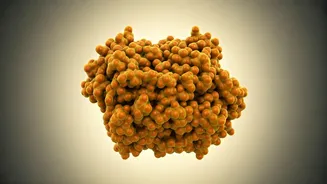
body is constantly repairing and building, and it needs a steady supply of amino acids—the building blocks of protein—to do its job effectively. A huge amount of protein at dinner can't make up for a protein-poor breakfast and lunch. Research suggests that consuming a moderate amount of protein at each meal is more effective for functions like muscle protein synthesis than getting the bulk of your daily intake in one go. [10] Spreading it out helps maintain muscle mass, keeps you feeling full, and supports your overall health more efficiently. [4, 10]
Myth: You Need Massive Amounts of Protein
Fitness influencers and product labels often suggest we need enormous quantities of protein to be healthy or build muscle. The reality is far more moderate. [13] The Indian Council of Medical Research (ICMR) recommends a baseline of 0.83 grams of protein per kilogram of body weight for a healthy, sedentary adult. [9, 16] For a 65-kilogram person, that's about 54 grams per day. While needs increase with age and activity level—up to 1.2-1.6 g/kg for active individuals—most people who are not elite athletes don't need the massive amounts often marketed. [9, 13] In fact, many Indians are not meeting their basic protein needs, so the focus should be on achieving sufficiency, not dramatic excess. [16, 20]
Myth: The Post-Workout Shake is Non-Negotiable
The idea of a rigid 30-minute "anabolic window" after exercise, during which you must chug a protein shake or risk wasting your workout, is one of fitness's most persistent myths. While it's true that your muscles are primed for repair after training, recent science shows this window is much wider than we thought, likely lasting several hours. [10, 18] Studies comparing groups who took protein immediately after a workout versus those who had it later found no significant difference in muscle growth or strength gains. [5, 8] The most critical factor is your total protein intake throughout the day, not a frantic rush to the shaker bottle. [6, 8] Consuming protein a few hours post-exercise is perfectly effective. [10]
Myth: All Protein Sources Are Created Equal
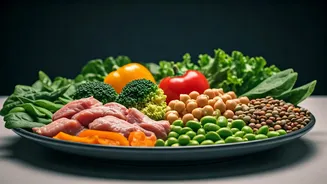
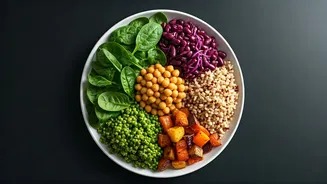
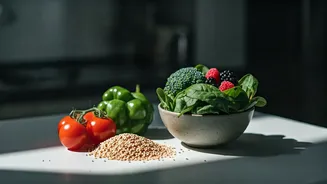
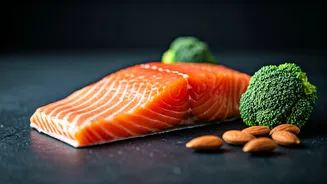
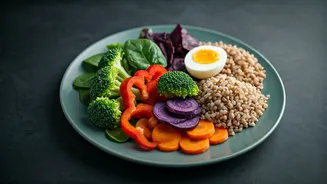
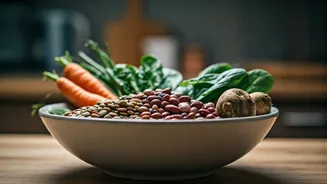
While your body doesn't play favourites with the source once protein is broken down, there are key differences to be aware of. Animal proteins (meat, dairy, eggs) are considered "complete" because they contain all nine essential amino acids your body can't make itself. [25, 26] Most plant proteins are "incomplete," meaning they lack one or more of these essential amino acids. [25] However, this is easily overcome. By eating a variety of plant-based sources throughout the day—like dal with rice, or nuts and seeds—you can easily create a complete amino acid profile. [21, 25] Plant proteins also come with added benefits like fibre and lower saturated fat. [23, 25] The key takeaway is that a varied diet, whether vegetarian or non-vegetarian, can meet all your protein needs. [7, 21]
Myth: You Can't Have Too Much Protein
While safe for most healthy people in moderation, an extremely high protein intake isn't necessarily better and can carry risks. [15] Excess protein, especially from supplements or red meat, may put a metabolic burden on your kidneys and liver over the long term. [2] Some research links very high-protein diets to an increased risk of kidney stones, dehydration, and even heart disease, particularly if the protein sources are high in saturated fat. [3, 12, 15] Rather than being used to build more muscle, excess protein beyond what your body needs is either stored as fat or excreted. [13] For most, consuming more than 2 grams per kilogram of body weight offers little added benefit and is not recommended without medical supervision. [9, 15]