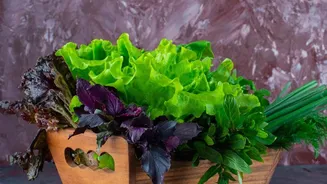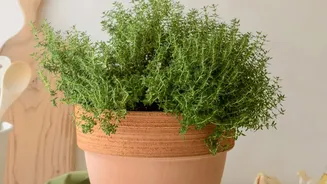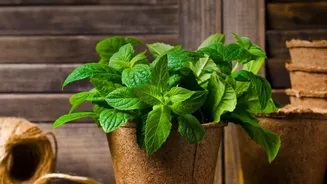


Your Indoor Garden Setup
Success with indoor herbs starts with the right foundation. First, select your containers. Small pots, around 6 to 8 inches deep, are perfect for individual herbs. Ensure every pot has drainage holes at the bottom to prevent waterlogging, which can lead
to root rot. Terracotta pots are a good choice as they are porous and allow soil to breathe, though any material will work. Next, choose your soil. Avoid using dense garden soil, which compacts easily in pots. A high-quality, well-draining potting mix is essential. For herbs, a mix containing coco coir or peat moss, perlite, and compost provides the right balance of moisture retention and aeration. Finally, location is crucial. Most herbs need at least four to six hours of sunlight per day. A south-facing windowsill is often the best spot in a home. If you lack a sunny window, you can supplement with a simple LED grow light for about 12 hours a day.
Caring for Tulsi (Holy Basil)
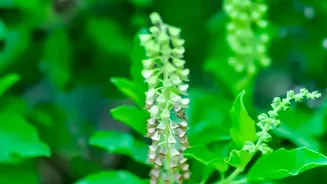
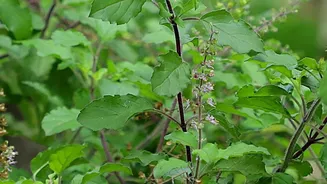
Tulsi is a cherished plant in many Indian homes but can be sensitive to cold. When grown indoors during winter, its primary needs are warmth and light. Place your Tulsi plant in the sunniest and warmest spot you have, as it thrives in bright light. Water it only when the top inch of the soil feels dry to the touch; overwatering is a common mistake in winter when the plant's growth slows down. Holy basil prefers temperatures between 18°C and 29°C, so keep it away from cold drafts or open windows. To encourage a bushier plant with more leaves, pinch off the flower buds as soon as they appear. This directs the plant's energy into producing more of its aromatic foliage. Rotate the pot weekly to ensure all sides get even light exposure.
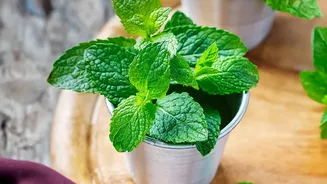
Growing Versatile Mint (Pudina)
Mint is one of the easiest herbs to grow indoors and is famously vigorous. Its tendency to spread makes it an ideal candidate for container gardening, which keeps it contained. A pot that is at least 8 inches deep and 12 inches wide will give its roots room to expand. Mint is more tolerant of lower light conditions than many other herbs, but it will be bushiest and most flavourful with four to six hours of bright, indirect light daily. Keep the soil consistently moist but not soggy. Mint is one of the few herbs that doesn't mind 'wet feet' as much, but good drainage is still important. You can easily start a new plant from a cutting of an existing one by placing a stem in a glass of water until roots appear, then planting it in soil.
Cultivating Coriander (Dhania)
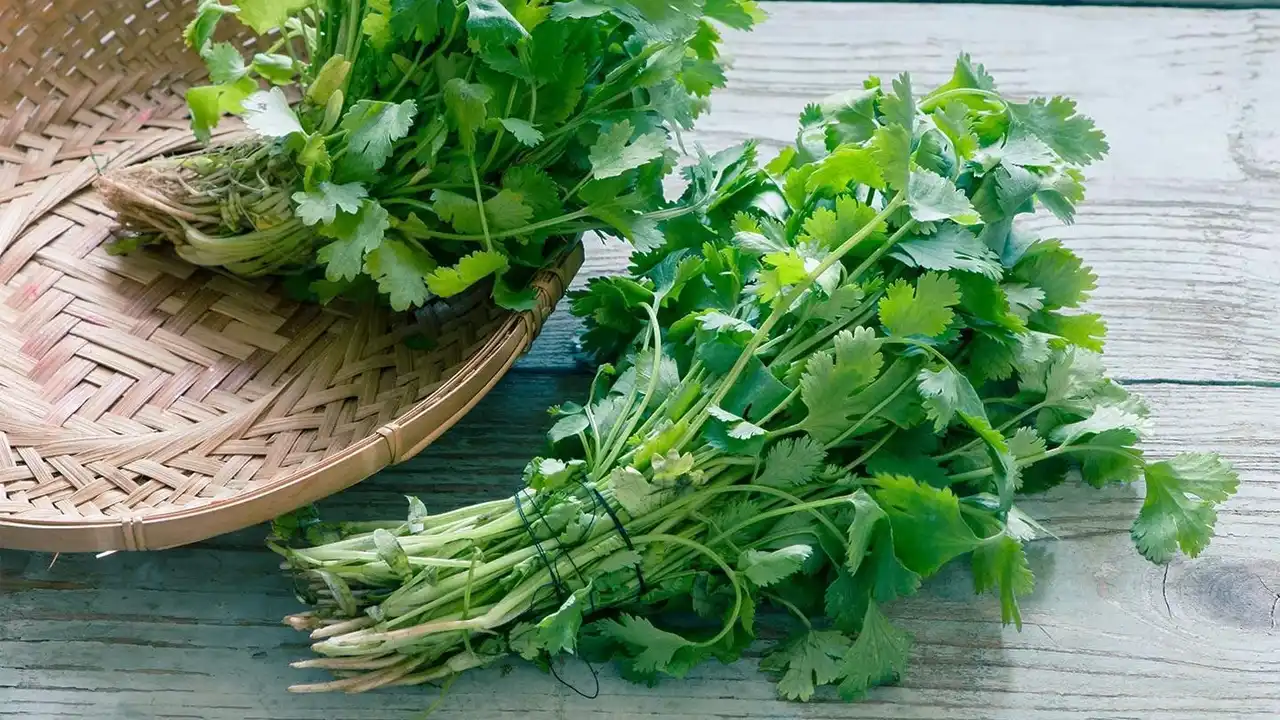
Fresh coriander leaves are a staple, and growing them at home ensures a constant supply. Coriander can be grown from seeds, which is often the most reliable method. Some people even have success splitting whole coriander seeds from the kitchen spice rack before planting. It prefers cooler conditions and can bolt (flower prematurely) in intense heat. For indoor winter growing, this is less of a concern. Use a pot that is deep enough to accommodate its taproot and sow seeds about half an inch deep. Like Tulsi and mint, it needs a spot with good sunlight. Keep the soil moist, especially during germination. For a continuous harvest, you can sow a new batch of seeds every few weeks.
General Winter Care Tips
Growing herbs indoors in winter presents a unique set of challenges. Indoor heating can make the air very dry, which is not ideal for these plants. To increase humidity, you can group your pots together, place them on a tray of pebbles filled with water, or use a room humidifier. Misting the plants can also help. Be mindful of watering; with less light and slower growth, plants need less water than in the summer. Always check the soil moisture before watering to avoid root rot. Yellowing leaves can be a sign of overwatering. Watch out for common indoor pests like fungus gnats, which thrive in consistently damp soil. Regular pruning not only provides you with fresh herbs but also encourages the plants to grow fuller and healthier.