






Your Body's Internal Clock
Every person operates on a roughly 24-hour internal schedule known as the circadian rhythm. This biological clock, located in a part of the brain called the hypothalamus, acts as a master conductor for your entire body. It regulates everything from your sleep-wake
cycle and hormone release to your body temperature and metabolism. When your rhythm is in sync, you feel alert and energised during the day and sleepy at night. When it's disrupted — often by modern work life — you feel the consequences, most notably in the form of that dreaded afternoon crash.
The Powerful Link Between Light and Energy
Light is the single most powerful environmental cue for setting your body’s clock. When bright, natural light hits your eyes in the morning, it sends a crucial signal to your brain to suppress melatonin (the sleep hormone) and ramp up the production of cortisol. While often called the "stress hormone," a healthy morning cortisol spike is exactly what you need for alertness, focus, and energy. This morning signal essentially sets a timer for your entire day, influencing when you’ll feel most productive and when you’ll naturally start to wind down for sleep in the evening.
Why Your Office Is Working Against You
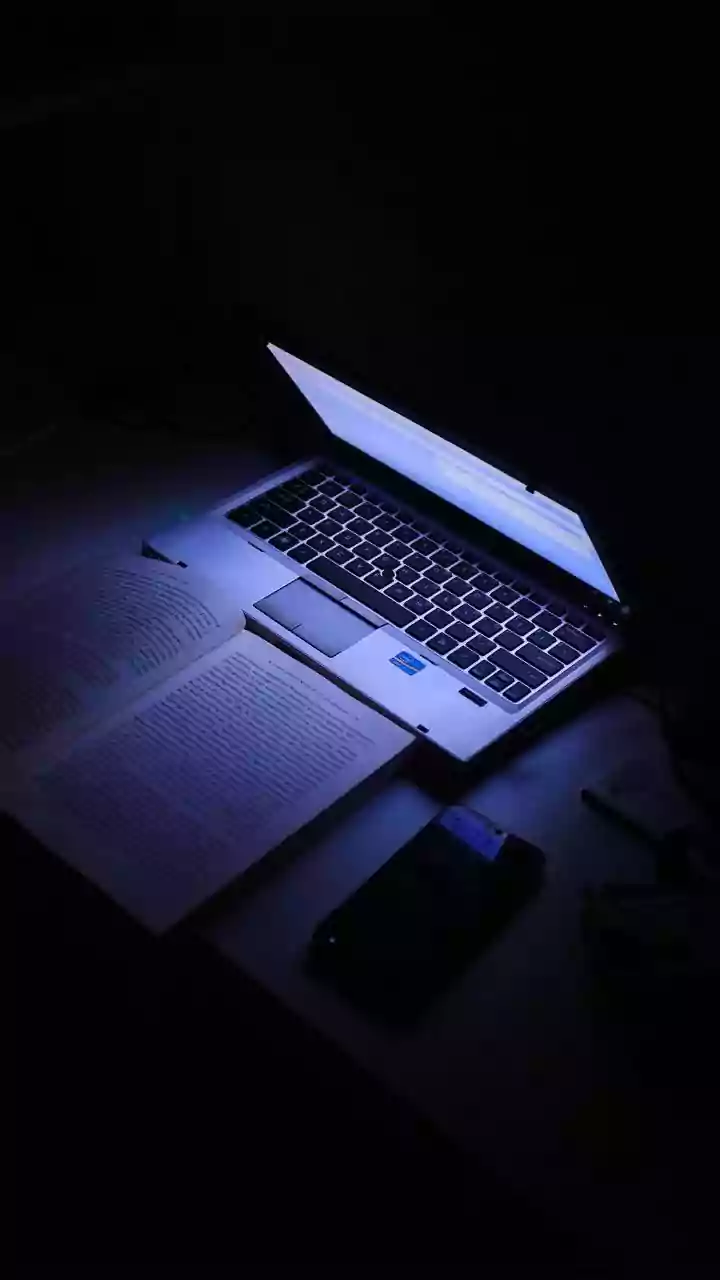
The typical office environment can be a major source of circadian disruption. Many offices provide dim, static lighting that fails to mimic the natural progression of daylight. Unlike the bright, blue-toned light of the morning sun that promotes alertness, indoor lighting is often insufficient to give your body a strong 'wake up' cue. This can leave your internal clock confused. Compounding the problem is constant exposure to screens. The blue light from computers, phones, and tablets can trick your brain into thinking it's still daytime, disrupting your rhythm and making it harder to get quality sleep, which in turn saps your next-day energy.
Start Your Day with the Sun
The most effective habit you can adopt is getting direct sunlight exposure within an hour of waking up. Aim for 10 to 30 minutes outside. This doesn't have to be complicated; you can drink your morning tea on a balcony, take a short walk, or simply stand by a large, open window. This blast of natural, blue-enriched light is the strongest signal you can send to your internal clock to start the day, boosting alertness and setting you up for better productivity during your peak cognitive hours, which for most people are in the morning.
Optimise Your Workspace for Light
Throughout the workday, maximise your exposure to natural light. If possible, position your desk near a window. Workers in offices with ample natural light report significant reductions in eyestrain, headaches, and drowsiness. If you're stuck in a windowless corner, consider a 'circadian-friendly' desk lamp. These modern LED systems can change their colour temperature throughout the day, providing cooler, brighter light in the morning to enhance focus and shifting to warmer, dimmer light in the afternoon to help you wind down.
Take Strategic Light Breaks
When you feel your energy dipping after lunch, resist the urge to stay glued to your screen. Instead, take a short 15-minute walk outside. This brief exposure to midday light can help reinforce your circadian rhythm and provide a natural energy boost that surpasses another cup of coffee. It’s a simple way to break up a sedentary day, clear your head, and signal to your body that it's still peak daytime, helping to stave off the afternoon slump and maintain focus.
Manage Your Evening Light
Your energy tomorrow depends heavily on your sleep tonight. To protect your sleep quality, it's crucial to manage your light exposure in the hours before bed. Reduce your use of bright overhead lights and electronic devices two to three hours before you plan to sleep. The blue light from screens is particularly disruptive, as it suppresses the production of melatonin. Use your device’s 'night mode' or blue-light-filtering apps, and opt for warm, dim lighting in your home to signal to your body that the day is ending and it’s time to prepare for restorative rest.