



Prepare Your Vehicle Before the Journey
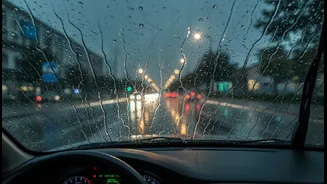
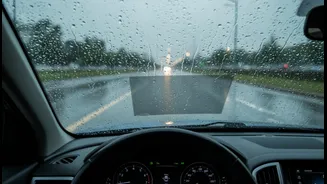
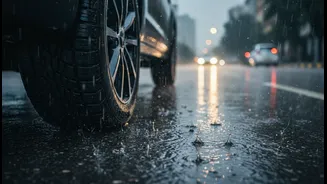
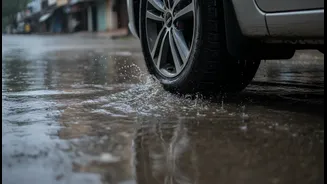
Before the rain gets heavy, give your car or two-wheeler a thorough check-up. Your tyres are the first line of defence on wet roads. Ensure they have adequate tread depth, ideally at least 2-3 mm, to provide a proper grip and prevent hydroplaning. Also,
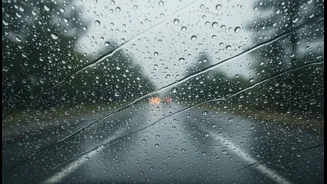
check that your tyres are inflated to the manufacturer's recommended pressure. Your brakes are just as critical; get them inspected for wear and ensure the brake fluid is topped up. Finally, test your windscreen wipers to see if they clear water effectively without leaving smudges, and make sure all your lights—headlights, tail lights, and indicators—are fully functional. Good visibility is a two-way street: you need to see and be seen.
Adapt Your Driving and Riding Style
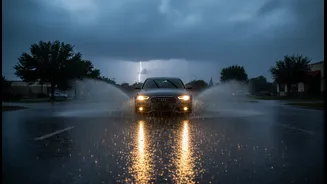
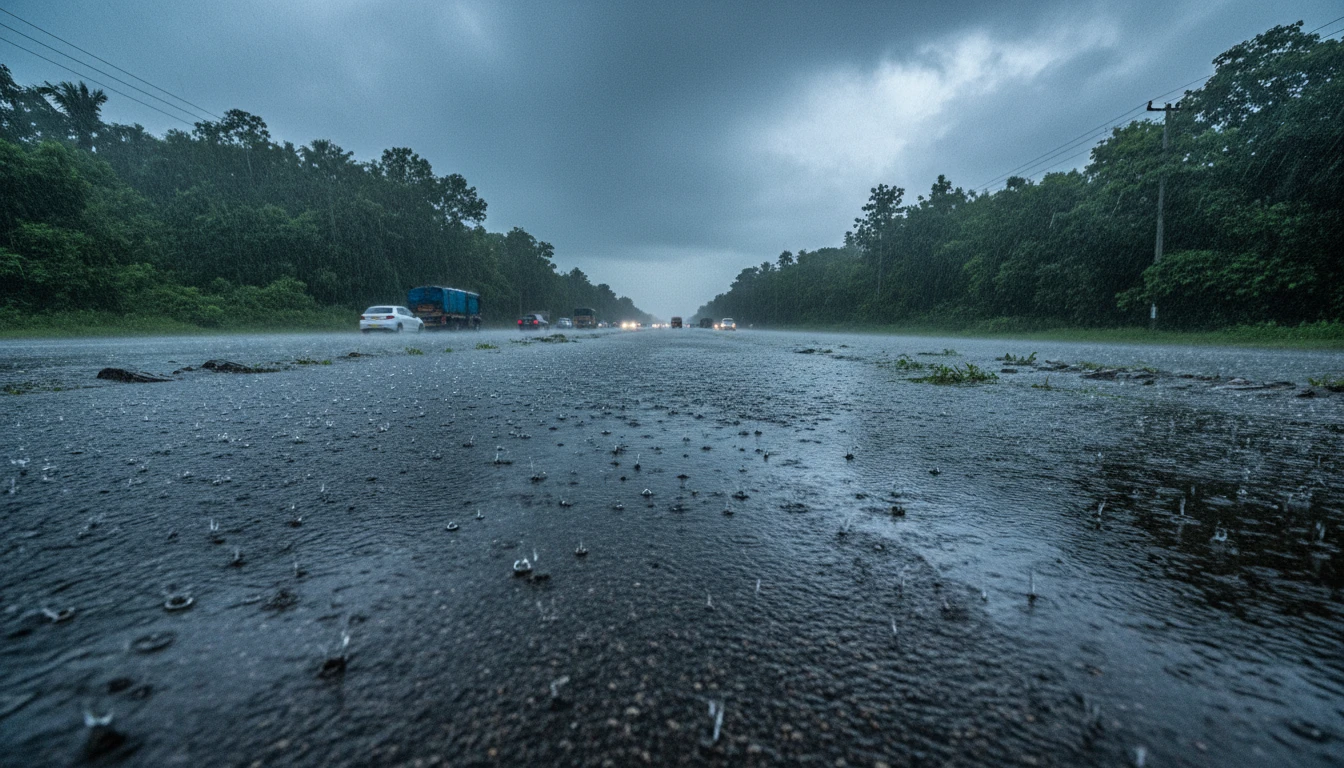
The single most important rule for commuting in the rain is to slow down. Wet roads significantly increase braking distance, sometimes requiring up to three times longer to stop. Maintain a much larger gap between you and the vehicle in front to give yourself more time to react. All your actions, from accelerating and braking to steering, should be smooth and gentle. Sudden manoeuvres can easily cause your vehicle to skid. For two-wheeler riders, this is especially crucial; avoid hard braking and rely more on engine braking where possible. Be extra cautious at intersections and on painted road markings or manhole covers, as these surfaces become exceptionally slippery when wet.
Navigate Waterlogged Roads with Extreme Caution
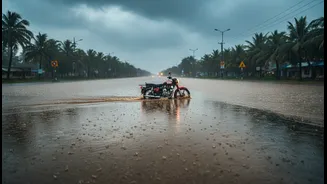
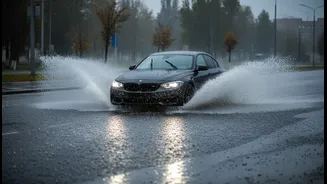
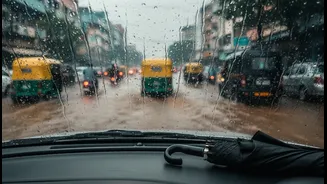
Waterlogging is a common and dangerous hazard during the Indian monsoon. If you can, avoid driving through flooded areas altogether. Puddles can hide deep potholes or open manholes that can cause serious damage to your vehicle or lead to accidents. If you must cross a waterlogged stretch, drive slowly and steadily in a low gear, keeping the engine revs high to prevent water from entering the exhaust pipe. Once you're through, tap your brakes lightly a few times to dry them out and restore their effectiveness. For pedestrians, wading through stagnant water can expose you to waterborne diseases and hidden dangers on the ground.
Safety Tips for Pedestrians and Public Transport Users
If you are walking, your biggest risks are low visibility and slippery surfaces. Wear bright or light-coloured clothing and use a colourful umbrella to make yourself more visible to drivers. Choose footwear with a good grip to avoid slipping, and never run across a wet road, as approaching vehicles may not see you in time. Be extremely careful of open drains, loose electrical wires, and stay away from trees during heavy downpours and lightning. If you use public transport, expect delays and overcrowding, especially on the metro. Always stay behind the safety line on railway platforms, which can become very slippery.
Pack a Monsoon Emergency Kit
Getting stranded in traffic for hours is a common monsoon experience. It's wise to have an emergency kit in your car or backpack. For your vehicle, this should include a first-aid kit, a flashlight with extra batteries, a toolkit, and warning triangles. Keeping a tyre inflator is also a good idea. For personal comfort during long waits, pack a raincoat or umbrella, a towel, some non-perishable snacks, and a bottle of water. A fully charged phone and a power bank are non-negotiable for staying connected and informed about traffic conditions.