






Deep within the forests of Central India lies a profound culinary wisdom, passed down through generations. It’s a living library of knowledge that allows tribal communities to turn the wild landscape into a source of safe and nutritious food.
The Keepers of Forest Cuisine
In states
like Madhya Pradesh and Chhattisgarh, tribal communities such as the Gonds and Baigas have a relationship with the forest that is both spiritual and practical. For them, the forest is not just a landscape but a well-stocked pantry. Their survival and health have long depended on their ability to sustainably forage for food, including a vast array of wild leafy vegetables, locally known as 'bhaji'. This practice is rooted in a deep, inherited understanding of the local ecosystem. The Baiga, for example, believe they were gifted with the wisdom to find everything they need in the forest. This knowledge system, transmitted orally from elders to children, is a cornerstone of their cultural identity and resilience.
Learning the Language of the Leaves
Distinguishing a nutritious meal from a potential poison is a skill honed over centuries. The wisdom is remarkably detailed, relying on a multi-sensory approach. Identification isn't just about appearance; it involves recognizing the plant's specific smell, the texture of its leaves, its preferred growing location, and the season in which it sprouts. Foragers learn to observe subtle clues, like which plants grow in clusters and which stand alone, or the specific time of year a leaf is tender and safe to eat. This knowledge is often passed down through direct participation, where younger members of the community join elders on foraging expeditions, learning by doing. This hands-on education ensures that the complex 'language of the leaves' is not lost.
A Cornucopia of Greens
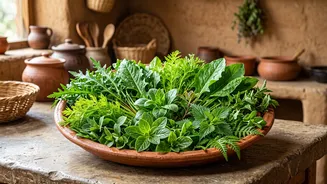
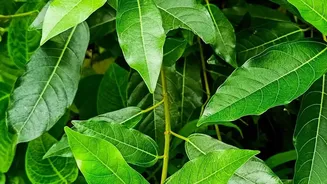
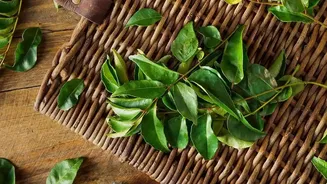
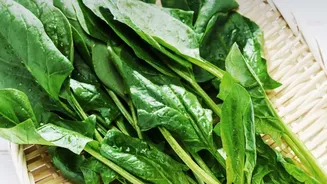
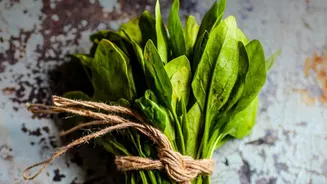
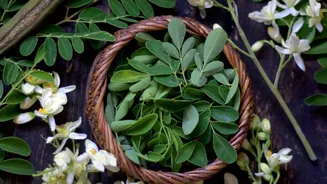
The variety of wild leafy vegetables consumed is astonishing. Studies have documented dozens of species used by these communities. Familiar names in local dialects include 'chakoda bhaji' (Cassia tora) and 'chench bhaji' (Corchorus capsularis), each with its own unique flavour profile and preparation method. Some are simply boiled or stir-fried, while others become part of more complex dishes, often combined with millets or lentils to form a complete meal. For example, 'pej', a traditional porridge made from coarse grains, is often supplemented with these foraged greens. This culinary tradition is not static; it reflects a deep understanding of seasonal cycles, with different greens being harvested at different times of the year to ensure a continuous supply of fresh produce.
Nature's Nutrient Powerhouses
Modern nutritional science is now confirming what these communities have known for ages: wild edible plants are nutritional powerhouses. Often more nutrient-dense than their cultivated counterparts, these greens are rich in essential vitamins, minerals like iron and calcium, and antioxidants. For communities that may have limited access to markets, these foraged foods provide a vital defence against micronutrient deficiencies, often called 'hidden hunger'. Their diet, supplemented by these wild vegetables, contributes to overall health and resilience, helping to ward off illnesses. The plants are often considered both food and medicine, forming a foundational part of their traditional healthcare systems.
An Inheritance Under Threat
Despite its immense value, this ancient wisdom faces growing threats. Deforestation and the degradation of natural habitats are shrinking the availability of these wild plants. Furthermore, as younger generations gain more exposure to urban lifestyles and modern diets, there is a risk that this intricate oral tradition could fade. The shift towards processed foods and a declining interest in traditional practices puts this invaluable knowledge at risk of being lost within a few generations. Preserving this culinary heritage is not just about protecting a cultural practice; it's about safeguarding a proven model of sustainable living and a vital source of biodiversity.