




What Exactly Is Basil Seed Water?
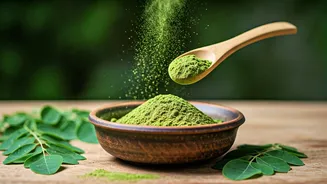
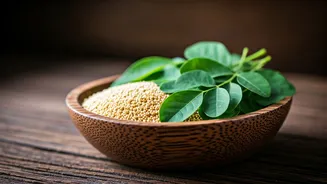
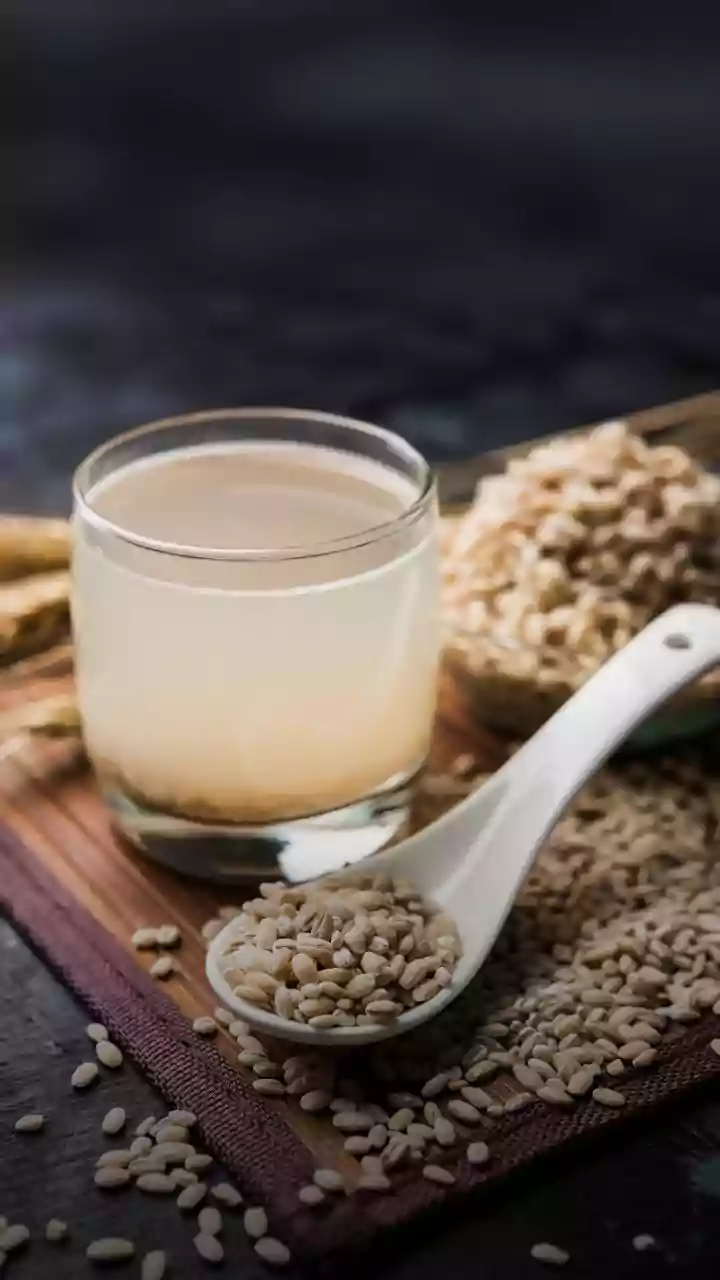
At its core, basil seed water is incredibly simple: it's water infused with basil seeds. These aren't the seeds from your kitchen herb pot, but specifically from the sweet basil plant, Ocimum basilicum. Known as sabja seeds in India, they have a long
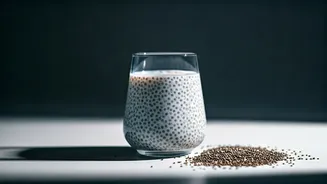
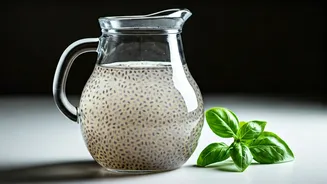
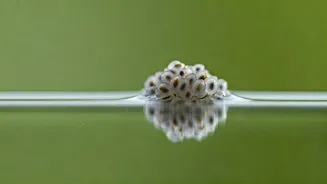
history of use in Ayurvedic and traditional medicine. When soaked in liquid, these tiny black seeds absorb water and swell up, forming a gelatinous, almost tapioca-like coating around a crunchy centre. This unique texture is what makes them a popular ingredient in drinks and desserts across Asia, most famously in the beloved falooda. Now, this ancient ingredient is being repurposed for the modern gym-goer, moving from a dessert treat to a pre-workout ritual.
The 'Clean-Eating Flex'
In the world of wellness, what you consume is often a signal of your values. The term 'flex' perfectly captures this. Drinking basil seed water isn't just about hydration; it’s a visible declaration of your commitment to 'clean eating'. It says you're in the know, you prioritise natural ingredients, and you’re optimising your body with something more thoughtful than a sugary sports drink. In an era where authenticity and natural wellness are prized, carrying a bottle of sabja water is the equivalent of wearing high-end athleisure to a coffee run. It’s a low-key status symbol that broadcasts health-consciousness without saying a word, making it a perfect accessory for the fitness-focused social media age.
Unpacking the Health Hype
So, is there substance behind the style? The answer is a qualified yes. The primary benefit of basil seeds comes from their impressive fibre content. A single tablespoon contains a significant portion of your recommended daily fibre intake, which is excellent for digestive health, promoting regularity, and helping you feel full longer. This satiety effect can be useful for managing weight. The seeds are also a good source of plant-based minerals like iron, calcium, and magnesium, which are vital for energy production and muscle function. The gel-like coating the seeds form is thought to slow down the conversion of carbs into sugar, potentially helping to regulate blood sugar levels. While it's not a magic potion, its nutritional profile is undeniably solid.
Basil Seeds vs. Chia Seeds
The inevitable comparison is with chia seeds, another gelling 'super seed' that has dominated the wellness scene for years. While similar, they have key differences. Basil seeds swell up almost instantly, while chia seeds take longer. Nutritionally, they are neck and neck in many areas. Chia seeds are famous for their high omega-3 fatty acid content, an area where basil seeds are weaker. However, basil seeds typically contain more iron, calcium, and fibre per serving. Flavour-wise, basil seeds have a faint, almost floral note, whereas chia seeds are more neutral. The choice between them isn't about which is 'better' overall, but which fits your needs. If you need instant gelling and an iron boost, sabja is your friend. For a bigger omega-3 punch, stick with chia.
How to Make Your Own
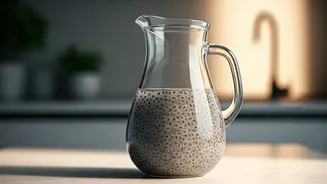
Creating your own basil seed workout water couldn't be easier. You don't need a fancy blender or expensive equipment. Start with a simple ratio: one tablespoon of basil seeds to about 500ml of water. Simply stir the seeds into the water and let them sit for 15-20 minutes. You'll see them plump up and develop their characteristic gel coating. For a workout, this basic version is perfect for pure hydration. To enhance it, add a squeeze of lemon or lime for flavour and a pinch of pink Himalayan salt for electrolytes. You can also infuse it with mint leaves or a few slices of cucumber. Prepare it in a reusable bottle before you head to the gym for a refreshing, functional, and visually interesting hydration source.