





The Post-Meal Energy Slump
That familiar wave of tiredness after eating, often called a 'food coma,' is frequently linked to a rapid spike and subsequent fall in blood glucose levels. When you consume carbohydrates, especially refined ones, they are quickly broken down into glucose,
which enters your bloodstream. This causes a surge in blood sugar. Your body then releases insulin to manage this surge, but an overcorrection can lead to a 'crash,' leaving you feeling drained. Over time, frequent and large blood sugar spikes can pose more significant health risks, including an increased risk for type 2 diabetes and heart disease. Managing these post-meal spikes is a key strategy for maintaining steady energy and long-term metabolic health.
Your Green Appetizer Strategy
Here's where the magic of food sequencing comes in. The principle is simple: eat your vegetables first. Studies have shown that consuming vegetables and protein before carbohydrates leads to significantly lower post-meal glucose and insulin levels. The fiber in raw leafy greens is the star player. This fiber, particularly soluble fiber, forms a gel-like substance in your stomach. This viscous shield slows down gastric emptying, meaning the carbohydrates you eat afterwards are digested and absorbed more slowly. Instead of a sudden flood of sugar into your bloodstream, you get a slower, more manageable trickle. The effect can be powerful; some research has found that this strategy can reduce post-meal blood sugar spikes by an amount comparable to some diabetes medications.
More Than Just Blood Sugar
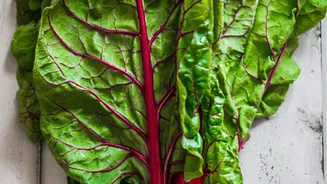
The benefits of starting your meal with greens extend deep into your digestive system. Leafy greens are an excellent source of dietary fiber, which is crucial for gut health. This fiber acts as a prebiotic, which is essentially food for the beneficial bacteria living in your colon. A thriving community of good gut bacteria, known as the microbiome, is linked to everything from better digestion and a stronger immune system to improved mood. Research shows that leafy greens also contain a specific type of sugar that helps fuel the growth of this healthy bacteria. Furthermore, the insoluble fiber in greens adds bulk to your stool, promoting regularity and helping to keep your digestive tract clean and efficient. Some greens even support your body's natural production of digestive enzymes, which are critical for breaking down food and absorbing nutrients.
Putting It Into Practice
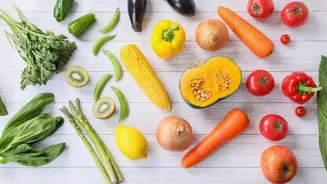
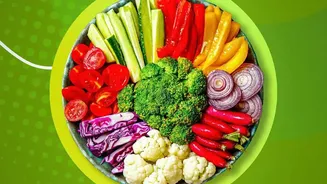
Making this a habit is easier than it sounds and doesn't require a radical diet overhaul. The key is to start with non-starchy vegetables. A simple side salad with a light vinaigrette before your main course of dal, rice, and roti is a perfect start. You could also simply munch on a handful of raw spinach or a few lettuce leaves while you prepare the rest of your meal. Some great options available in India include palak (spinach), various types of lettuce, cabbage, and microgreens. The goal is to get that fiber into your system about 10-15 minutes before the carbohydrates. Even on busy days, a small bowl of kachumber salad (chopped cucumber, tomato, onion) before your main meal can make a noticeable difference.
What You Need to Know
While this method is effective, it's not a license to eat unlimited carbohydrates. Portion control and the quality of your carbs still matter. This strategy is about optimizing how your body processes the food you eat. The effect is most pronounced with raw, fiber-rich vegetables, as cooking can begin to break down some of the fibrous structures. This approach has been shown to be effective for a wide range of people, including those with type 2 diabetes, prediabetes, and even those with normal glucose tolerance who simply want to optimize their energy levels. It's a simple, evidence-based tool for better metabolic health, but it works best as part of an overall balanced diet and healthy lifestyle.