






The Rise of 'Camera Eats First'
The phrase “camera eats first” has become a global phenomenon, describing the ritual of diners meticulously photographing their meals before taking a single bite. This isn’t just about creating a personal food diary; it’s a powerful shift in consumer
behaviour that restaurants have been quick to leverage. With studies showing that a huge percentage of millennials choose a restaurant based on its social media presence, a weak or non-existent visual identity can be a major liability. Restaurants now understand that every plate they send out is a potential advertisement. The customer is no longer just a diner; they are a content creator, a marketer, and a publisher for the restaurant's brand, turning a private meal into a communal, shareable event.
Deconstructing the Perfect Viral Dish
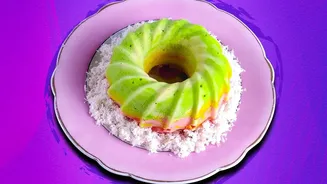
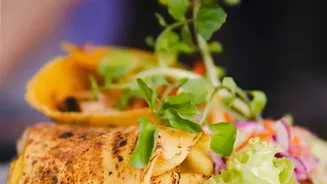
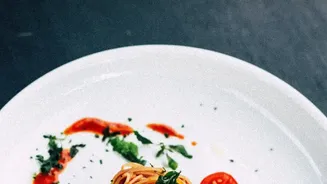
So, what makes a dish 'Instagrammable'? It’s a science. The most successful creations often combine several key elements designed for visual impact. Bright, vibrant colours are crucial, as they signal freshness and quality to the brain. Height and layers create a sense of drama and abundance. Think of towering burgers or multi-layered cakes. Textural contrast, like a crunchy topping on a smooth soup, adds visual interest. But the real game-changer is interactivity. Elements like a dramatic “cheese pull,” a sauce being poured tableside, or a dessert that needs to be smashed open are designed not for still photos, but for the action-oriented world of TikTok and Instagram Reels. These moments are practically begging to be filmed and shared.
The Customer as a Marketing Engine
In this new landscape, user-generated content (UGC) is the ultimate prize. An authentic photo or video from a happy customer is seen as more credible and trustworthy than a restaurant's own polished advertising. By designing a visually stunning dish or a photogenic corner in the restaurant—like a neon sign or a unique mural—establishments are giving customers the tools and the motivation to create this valuable content for free. This strategy can have a massive return on investment. A single viral video on TikTok can lead to a huge surge in foot traffic and online orders, as seen with phenomena like the Suprême croissant from a New York bakery which generated massive lines and sales. Essentially, the cost of creating a wild, over-the-top milkshake is a small marketing expense for potentially reaching thousands, or even millions, of potential new customers.
From Static Photos to Viral Videos
The evolution from Instagram to TikTok has shifted the requirements for a viral food moment. While Instagram rewards a beautiful, static image, TikTok's algorithm favours short, engaging videos with a narrative or a satisfying action. This has pushed restaurants to think beyond simple presentation. Now, it's about the performance of the food. This includes everything from behind-the-scenes kitchen footage to special menu items that have a reveal. The platform has become a major source for food discovery, with many users visiting a restaurant specifically because they saw a unique menu item on their 'For You Page'. This forces chefs and menu planners to be not just culinary artists, but also amateur video producers and trend forecasters.
Is Taste Taking a Backseat?
This leads to the inevitable question: does food that looks good on camera actually taste good? The focus on visual appeal has led to criticism that some dishes are all style and no substance—designed to be photographed rather than eaten. Some impossibly tall burgers or cheese-drenched creations are practically inedible in a conventional way. However, many successful restaurants understand that a viral hit that disappoints on flavour will lead to negative reviews, breaking customer trust. The most strategic approach, known as menu engineering, balances visual innovation with operational efficiency and, most importantly, taste. Interestingly, some psychological studies suggest that the ritual of taking a photo can actually increase anticipation and make the food taste better to the person eating it.