





From a Single Day to a Season of Feasting
Not long ago, festive indulgence was limited to a few key dates a year. Today, the lines have blurred. The period from Navratri through Diwali and on to Christmas and New Year has become a continuous stretch of social gatherings and rich meals. This prolonged
season of celebration means that traditional advice—to simply avoid certain foods—is no longer practical or sustainable. The sheer frequency of these occasions has led to a collective shift in thinking. Instead of complete restriction, which can lead to feelings of deprivation and social awkwardness, health experts and individuals are now embracing moderation. The new mantra is less about saying "no" and more about knowing "when to stop".
Why Portion Control is the New Focus
Portion control is the practice of managing how much food you consume in one sitting. It’s gaining traction because it offers a middle path between total abstinence and unchecked indulgence. In a culture where refusing food can be seen as impolite and where meals are a central part of community bonding, portion management allows for full participation in traditions without the negative health consequences. The problem often isn't the single festive meal but the cumulative effect of many. Experts point out that consistently oversized portions, heavy on refined carbohydrates and sugar, contribute to weight gain, unstable blood sugar levels, and general sluggishness. By focusing on quantity, people can still enjoy their favourite mithai or fried snack, just in a more mindful and controlled way.
Practical Strategies for Your Plate
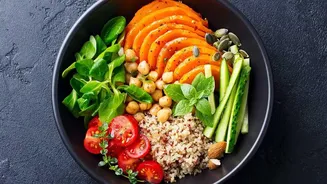
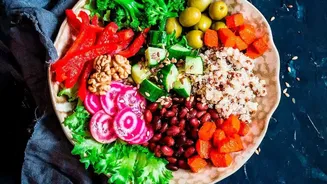
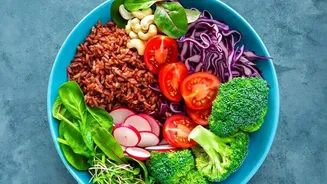
Implementing portion control doesn't require a weighing scale at every meal. Nutritionists recommend a simple visual guide known as the 'plate method'. Fill half of your plate with vegetables or salad, which are high in fibre and help you feel full. Dedicate one quarter to a protein source like dal, paneer, or lean meat to increase satiety. The final quarter can be for carbohydrates such as rice or roti. Other simple but effective strategies include using smaller plates, which can trick the brain into feeling satisfied with less food, and eating slowly to give your body time to register fullness. Drinking a glass of water before heading to an event can also help manage appetite. For sweets, the advice is to treat them as a deliberate choice: take one piece, sit down, and savour it rather than eating mindlessly from a box on the counter.
Mindful Indulgence Over Guilt
The conversation around portion control is closely tied to the concept of mindful eating. This involves paying full attention to the experience of eating, engaging all your senses, and listening to your body's hunger and fullness cues. Instead of feeling guilty after a festive meal, the goal is to feel satisfied. This approach helps you distinguish between true hunger and cravings and prevents the common cycle of overeating followed by extreme restriction. Many find success with an 80:20 approach: eating healthy, nutrient-dense food 80 percent of the time and allowing the remaining 20 percent for festive treats. This creates a sustainable, long-term healthy relationship with food that can withstand the pressures of any celebration.
Navigating Buffets and Social Gatherings
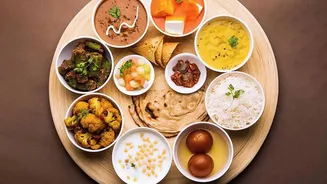
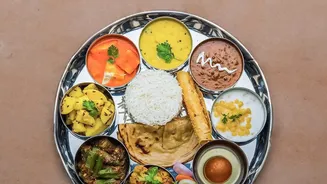
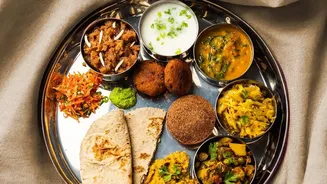
Festive buffets can be particularly challenging. A smart tactic is to survey all the options before putting anything on your plate. This allows you to prioritise what you really want to eat. Start with salads and proteins to build a base of satiety before moving on to richer dishes. It’s also crucial not to arrive at a party starving. Having a small, protein-rich snack like a bowl of curd or a handful of nuts before you leave can prevent you from making a beeline for fried appetisers. And if you do overindulge, experts advise against punishing yourself with fasting or excessive exercise the next day. Instead, simply return to your regular routine with lighter meals, stay hydrated, and perhaps go for a gentle walk.