








The Hidden Danger of Humidity
High humidity is the biggest challenge for container gardeners during the monsoon. When the air is saturated with moisture, water in the soil has nowhere to evaporate. This leads to constantly damp, waterlogged soil. For most plants, this is a recipe
for disaster. The most common and serious issue is root rot, a fungal disease that thrives in wet, low-oxygen conditions. Healthy roots need to breathe, but when they are submerged in soggy soil, they suffocate and become vulnerable to pathogens that cause them to turn brown, mushy, and decay. Once root rot sets in, a plant can no longer absorb water or nutrients, leading to yellowing leaves, wilting, and eventual death.
The Science of Porous Pots
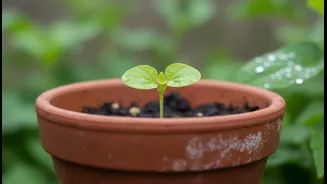
This is where porous pots, especially traditional unglazed terracotta or 'mitti ke gamlay', come to the rescue. The term 'porous' simply means the material has tiny holes that allow air and water to pass through. Unlike non-porous materials like plastic or glazed ceramic which trap moisture, the walls of a terracotta pot breathe. This has two major benefits. First, it allows excess water to evaporate directly through the sides of the pot, helping the soil dry out more evenly and quickly. Second, it allows air to reach the plant's roots, providing essential oxygen and preventing the suffocating conditions that lead to rot. Think of it as giving your plant's roots a breathable cotton shirt instead of a plastic raincoat on a humid day.
Choosing Your Porous Pot
Terracotta is the most widely available and affordable porous pot. Its classic earthy look blends well in any Indian home, from a modern apartment balcony to a traditional courtyard. Beyond terracotta, other porous options include unglazed ceramic, concrete, and fabric grow bags. Each has unique properties. Terracotta is excellent at wicking away moisture. Concrete pots are sturdy and provide good insulation but can be very heavy and may alter soil pH over time. Fabric pots offer superior aeration but may dry out too quickly in direct sun. For most home gardeners in India, terracotta offers the best balance of performance, cost, and aesthetics, especially for combating monsoon humidity.
Plants That Love Porous Pots
Not all plants have the same needs, but many popular household varieties thrive in the drier conditions that porous pots provide. Plants that are particularly well-suited for terracotta pots include those that are drought-tolerant or dislike 'wet feet'. This makes them perfect for succulents and cacti, which are prone to rotting in wet soil. Many herbs like basil, rosemary, and the sacred Tulsi plant prefer the excellent drainage and aeration terracotta offers. Other common Indian household plants like the Jade plant, Snake Plant, Aloe Vera, and even Bougainvillea do exceptionally well, as these pots mimic their preference for a soil that dries out between waterings.
When to Avoid Porous Pots
While porous pots are a great solution for humid weather, they aren't the right choice for every plant. Some species are native to rainforests or marshy areas and prefer consistently moist soil. For these moisture-loving plants, a terracotta pot can dry out the soil too quickly, causing stress. Plants like ferns, Calatheas (prayer plants), and Peace Lilies generally do better in plastic or glazed ceramic pots that retain moisture for longer. If you have these plants, it’s better to stick with non-porous containers and focus on ensuring they have good drainage holes and avoiding overwatering, rather than switching them to terracotta.