

A Deluge from a Melting World
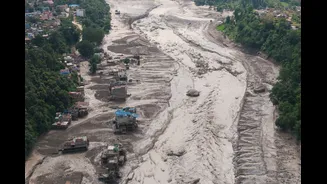
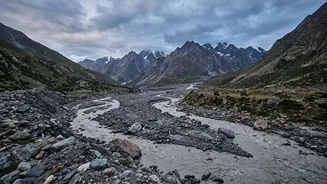
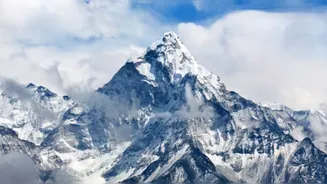
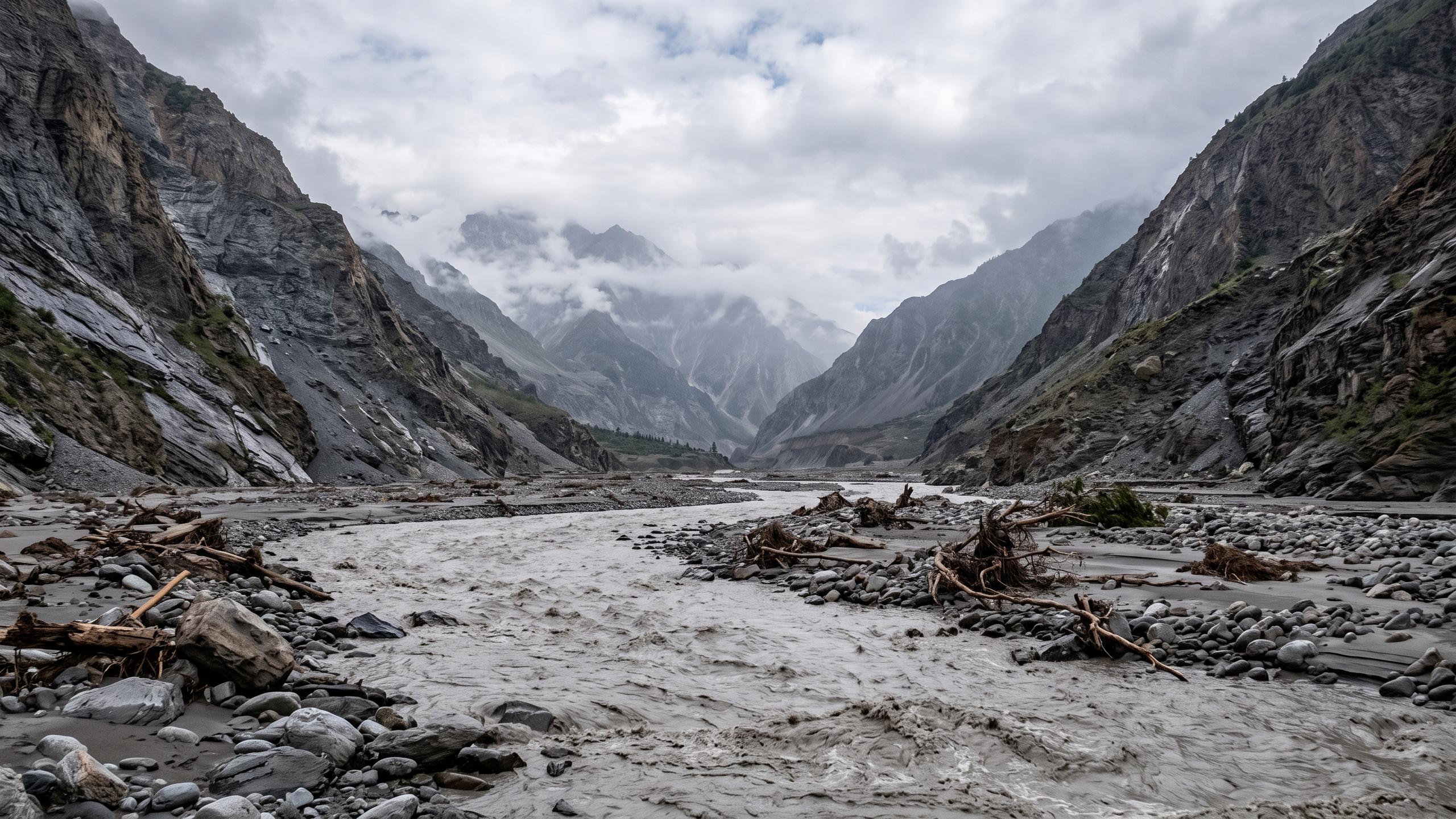
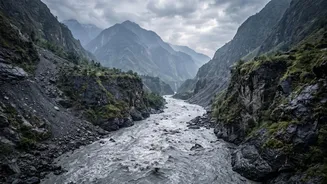
In late August 2026, a massive section of a glacier high in the Himalayas near the Nepal-China border collapsed. The event was so powerful it registered as a magnitude 5.2 seismic event. This failure of bedrock and ice sent a devastating torrent of water,
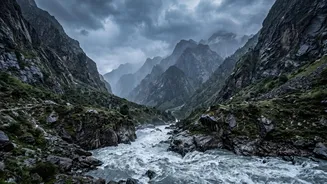
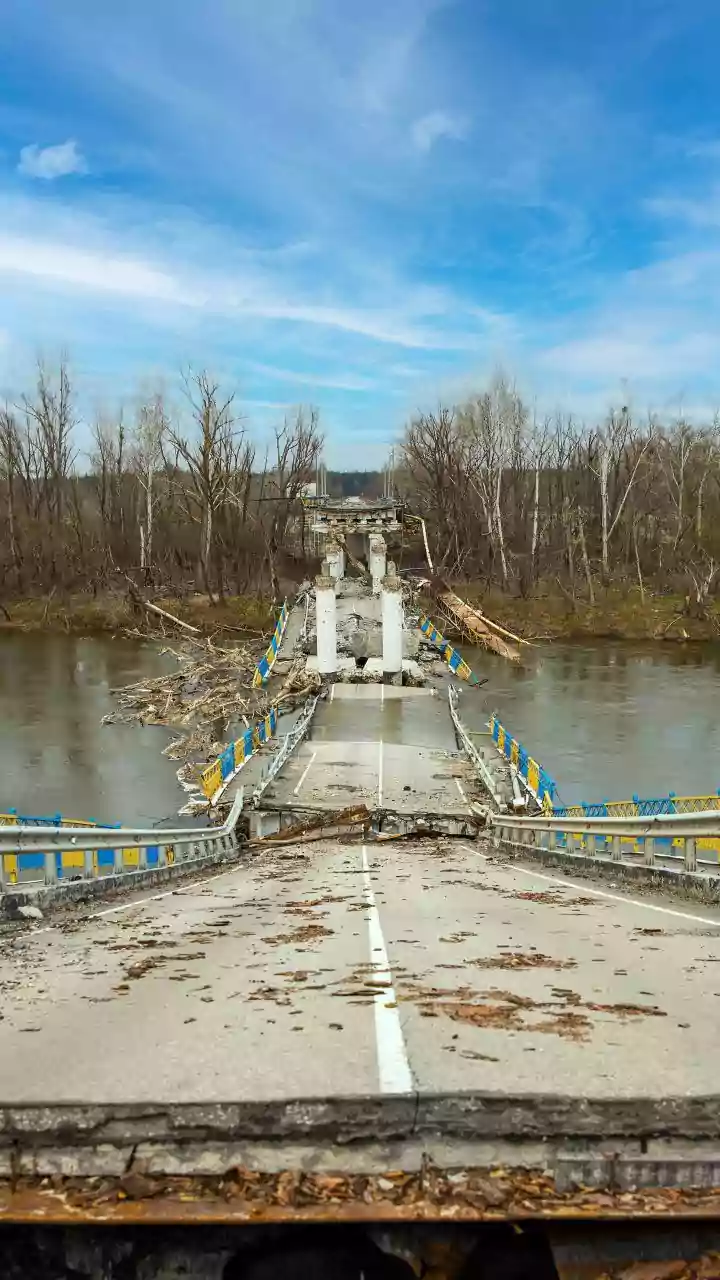
mud, and debris surging down the Trishuli River and its tributaries. The flash floods struck with terrifying speed, raising water levels by as much as nine metres in half an hour in some areas. Entire communities in districts like Rasuwa and Nuwakot were swept away, destroying homes, bridges, roads, and crucial hydropower plants. The death toll climbed into the hundreds, with thousands more reported missing, including many foreign tourists and pilgrims. This wasn't a typical monsoon flood; it was a visceral display of the Himalayas' growing instability.
The Climate Change Connection
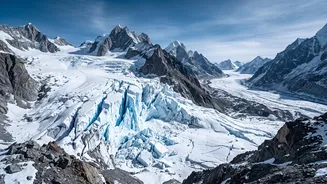
Scientists have warned for years about the increasing frequency of such disasters in the high mountains. The Himalayas are warming at a rate nearly double the global average. This rapid heating has two critical effects. First, it accelerates the melting of glaciers, which have lost nearly a third of their ice in just over 30 years. This meltwater forms vast glacial lakes, often held back by unstable natural dams of rock and debris. A breach of one of these dams can cause a Glacial Lake Outburst Flood (GLOF), a phenomenon that has become five times more frequent since 1950. Second, warming degrades permafrost—the frozen ground that acts like glue holding steep mountain slopes together. As this glue thaws, the risk of catastrophic rock and ice avalanches, like the one that triggered the recent flood, increases dramatically.
Tourism's Double-Edged Sword
Tourism is Nepal's largest industry, a vital source of income and jobs, particularly in remote mountain regions. However, the very infrastructure built to support this industry often contributes to the region's vulnerability. The rush to build lodges, roads, and trails to meet tourist demand can lead to deforestation and hasty construction in fragile, flood-prone areas. Popular trekking routes like the Annapurna and Everest circuits suffer from overcrowding, which strains local resources and creates significant waste management challenges. The carbon footprint of international flights and the local impact of providing amenities for travelers compound the environmental stress. When disaster strikes, this same infrastructure—bridges, roads, and hotels—is often the first to be destroyed, cutting off the economic lifeline that communities depend on.
The Path to Better, More Responsible Travel
The devastation does not mean tourism to Nepal should stop; rather, it highlights the urgent need for it to become more responsible. Responsible tourism is about making choices that minimize negative impacts and maximize benefits for local communities and the environment. This starts with choosing tour operators and trekking companies that are transparent about their sustainability practices, treat their local guides and porters fairly, and contribute to the local economy. For travelers, it means packing light, carrying reusable water bottles to reduce plastic waste, and respecting local cultural norms, from dress codes at temples to asking permission before taking photos. It also involves supporting community-based tourism, such as staying in local homestays, which ensures money directly benefits families. By opting for less crowded trails or traveling during the shoulder seasons, visitors can also help reduce the strain on the most popular destinations.